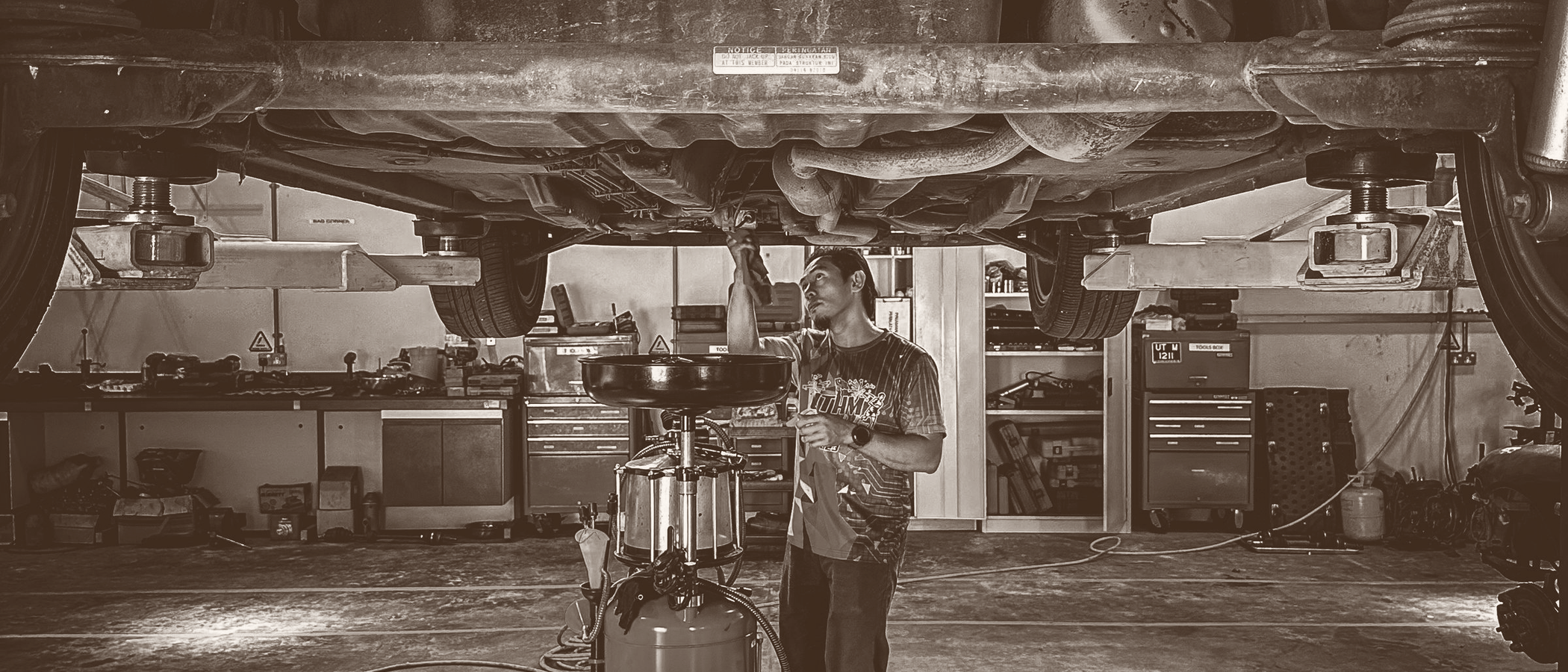
Spring hits and the phone starts ringing before you've finished your coffee. Someone wants a full interior detail before a road trip. Someone else saw water spots on their new black sedan and wants ceramic coating "this week if you can." A third caller wants to know if you handle pet hair, and how much, and whether Saturday works. Every one of those calls is a booking waiting to happen, and every one competes with the car already up on your lift.
That's the core tension of peak season for a detailing shop. Demand spikes in the exact months your bays are fullest, which means the person answering the phone is usually the same person elbow-deep in a clay bar job. Something has to give, and too often it's the call.
Why peak-season calls slip through
In appointment-based trades, a missed call is rarely a missed message. People calling to book a service tend to be ready to buy right now. If nobody picks up, they don't always leave a voicemail and wait. They call the next shop on the list. Detailing sits squarely in this pattern: the work is discretionary, the timing is emotional (a new car, a trade-in, a wedding), and comparison shopping is a phone tap away.
Missed calls are a well-documented source of lost bookings across service businesses that run on scheduled appointments. You don't need a study to feel it. Think about the last Saturday you were slammed and the phone rang six times you couldn't get to. A few of those were tire-kickers. A few were full details that went somewhere else.
The problem gets worse precisely when business is best, because your capacity to answer drops as call volume climbs.
Build a slotting system before the rush, not during it
The shops that stay sane in June set up their calendar in March. A few things worth locking down early:
Define your service blocks by real duration. A maintenance wash is not a two-stage paint correction. If your booking system treats them as interchangeable one-hour slots, you'll overbook the hard jobs and underbook the easy ones. Time each service honestly, then build slots around those numbers.
Leave buffer between details. Cars run late. Interiors are dirtier than the customer admitted on the phone. A 20 to 30 minute gap between appointments absorbs the overruns so one messy SUV doesn't cascade into three late starts.
Reserve capacity for high-value work. Ceramic coating and multi-stage correction are your margin. Hold specific slots for them rather than letting quick washes fill the whole week by Tuesday.
When the slotting logic is clear, whoever answers the phone can quote an honest window instead of guessing and hoping.
Collect deposits to protect the slot
No-shows hurt any week. In peak season they're brutal, because the slot a no-show wasted was one you could have sold three times over.
A deposit changes the caller's relationship to the appointment. When someone puts money down, they show up, or they call to reschedule instead of ghosting. For bigger jobs like ceramic coating, a deposit also filters out the "just checking prices" callers from the people who actually intend to book.
Keep the mechanics simple:
- A flat deposit or a percentage of the quote, taken at booking
- Applied to the final total, not an extra fee
- A clear, stated policy on what happens if they cancel late
Say the policy out loud when you book. "We take a fifty dollar deposit that goes toward your total, and we ask for 24 hours notice to reschedule." Most customers find that reasonable, and the ones who balk were often your future no-shows anyway.
Make rescheduling easy, because it will happen
Weather, work, a sick kid: reschedules are part of the business. The goal is to keep the customer and refill the slot, not to punish anyone.
Give people a friction-free way to move their appointment. A caller who can reschedule in one short conversation stays on your books. A caller who has to leave three voicemails to change a time just doesn't come back. And every time a slot opens up, you want a fast path to fill it, whether that's a short waitlist you can text or a standing list of flexible regulars.
Track why reschedules happen, too. If Fridays get bumped constantly, that's a signal about how you're slotting, not just bad luck.
Who answers the phone at 2pm on a Saturday
Here's the honest constraint. During peak season, the best person to explain the difference between a one-step polish and a full correction is often the one who physically cannot stop to take the call. You can hire a front-desk person, split attention across the team, or route overflow to something that answers every time and books straight into your calendar.
That last path is where tools like Answara fit for some shops: an AI voice receptionist that picks up when the bays are full, quotes your real availability, and captures the booking details so nobody has to choose between the car in front of them and the phone. It's one option among several, and the right answer depends on your volume and how you like to run the floor.
Whatever you choose, the principle holds. Peak season rewards the shop that treats its phone as a booking channel with a plan behind it, not an interruption to survive.
FAQ
How much should an auto detailing deposit be?
There's no universal number. Many shops use a flat amount for standard details and a percentage for large jobs like ceramic coating, where the time investment is bigger. Whatever you pick, apply it to the final total and state the cancellation terms when you book so there are no surprises.
Should I take booking calls myself during peak season?
If you can answer consistently and quote availability accurately, doing it yourself keeps the personal touch. The problem is consistency: when every bay is full, calls go unanswered, and unanswered calls in booking-driven trades tend to become bookings for someone else. Many shops set up overflow coverage so the phone is always handled.
How do I handle no-shows for ceramic coating appointments?
Deposits are the most direct lever, since coating jobs tie up a bay for hours or a full day. Pair the deposit with a reminder the day before and a clear reschedule policy. That combination cuts no-shows and gives you notice to refill the slot.
What's the best way to reduce reschedules?
You can't eliminate them, so make them cheap to handle. Build buffer into your calendar, confirm appointments a day ahead, and keep a waitlist you can text when a slot opens. Then review your reschedule patterns each month to catch a slotting problem before it repeats.
How far in advance should I book during spring and summer?
Book as far out as customers will commit, but protect near-term capacity for high-value work and emergencies. Holding a few premium slots open each week keeps you from filling the whole calendar with quick washes and turning away a coating job on Thursday.
For more detailing operations guides, see our auto services resources.