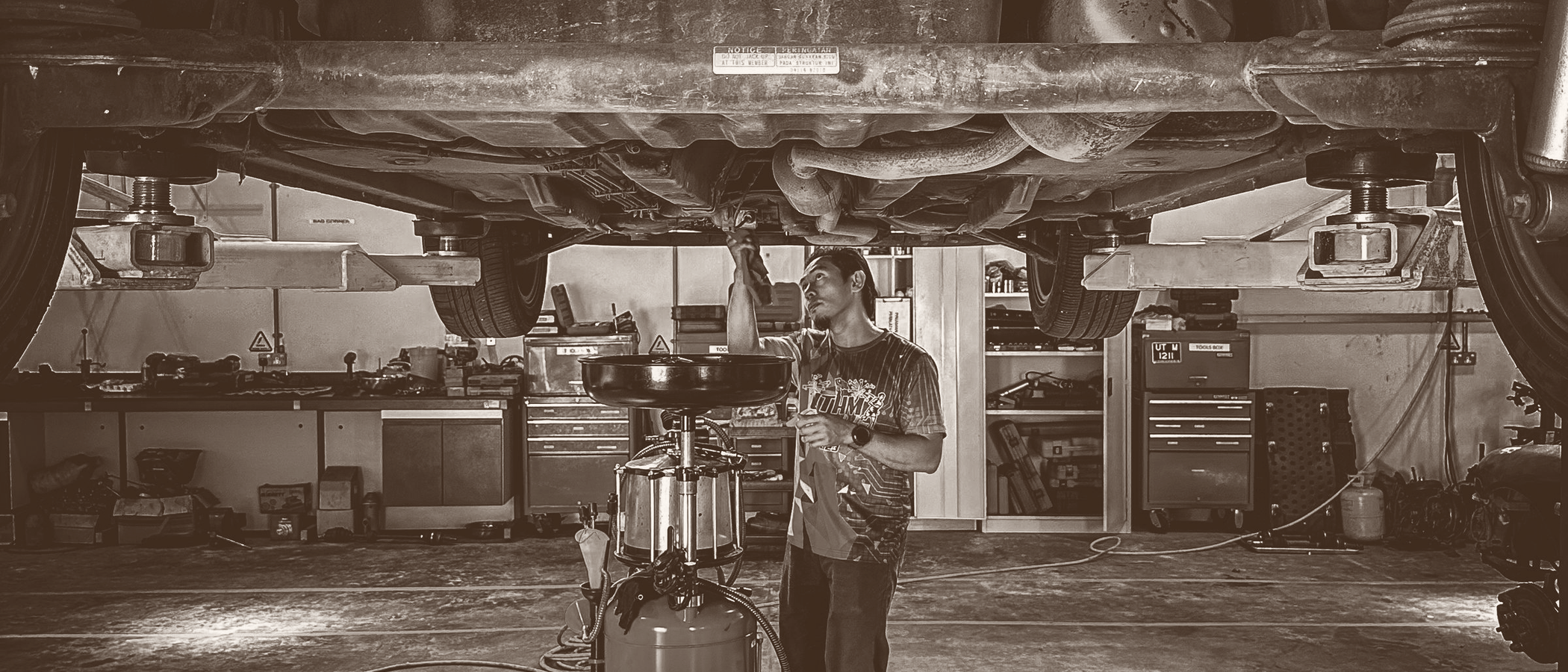
The phone rings while you are under a lift, elbow-deep in a brake job, both hands occupied and gloves covered in fluid. It rings four times and goes to voicemail. You will never know who that was. Maybe a fleet manager with six vehicles that need service. Maybe someone whose check-engine light just came on and who called the next shop on their list before you wiped your hands.
Auto repair runs on the phone. Customers still call to describe a noise, ask if you work on their make, and find out when you can get them in. When those calls slip through, the work does not disappear. It goes somewhere else.
Where The Calls Actually Go
A missed call at a repair shop rarely turns into a callback. When a car is making a grinding sound or refusing to start, the owner is anxious and wants an answer now. If your line goes to voicemail, they hang up and dial the next result. The caller who reaches your voicemail books with the shop across town, and you never find out the appointment existed.
The pattern gets worse during your busiest stretches. Monday mornings, the first warm day after a cold snap, the week before a long holiday when everyone remembers they need an inspection. Those are exactly the hours your team is heads-down on cars and least able to grab the phone. High demand and low answer rate land on the same days.
The Front Desk Is Already Doing Three Jobs
In most shops the person answering the phone is also checking in customers, printing invoices, and chasing a parts delivery. When a walk-in is standing at the counter, the phone loses. That is a reasonable choice in the moment, and it still means a booking walks out the door with the caller.
After-Hours Is A Bigger Gap Than It Looks
Think about when people actually decide to deal with their car. Evenings, after they get home and the noise from the drive bugs them. Early mornings before work. Weekends, when they finally have time to sort it out. A lot of that decision-making happens when your bay doors are closed.
If your shop closes at six, a call at 6:40 hits a recording. The caller has a live problem and a phone in their hand, so they keep calling. By the time you open the next morning, they may already be booked elsewhere or halfway through a repair they scheduled at nine the night before.
An after-hours voicemail assumes the customer will wait for you. Some will. Many treat voicemail as a dead end and move on, because the whole reason they called was to get the problem handled.
What This Looks Like Over A Month
One missed call on a Tuesday is easy to shrug off. The trouble is that missed calls are not rare events, they are a steady leak. A few during the morning rush, a couple over lunch, a handful after close, some on Sunday. None of them feel significant on their own.
Add them up across a month and you get a real number of people who wanted to give you their business and could not reach you. You will not see them on any report, because a call that never connected leaves no trace. It is the quietest kind of lost opportunity: invisible, recurring, and entirely about timing rather than the quality of your work.
Practical Ways To Cover The Phone
You do not have to hire a full-time receptionist to close the gap. A few options, in rough order of effort:
- Set a clear voicemail with a fast promise. If someone does leave a message, tell them exactly when you will call back and then honor it. A vague "we'll get back to you" invites them to keep dialing.
- Add a call-back text. Some phone systems can auto-text a missed caller with a booking link or a simple "we saw you called, want us to hold a slot?" That turns a dead call into a live thread.
- Split phone duty by time block. Assign the phone to a specific person during your two busiest hours so it is nobody's second priority during the rush.
- Route overflow and after-hours calls to something that always answers. This is where most shops still have a wide-open hole, because a human cannot cover 24 hours and neither can a machine that just records a message.
Voicemail Is Not Really Coverage
It is worth being honest about voicemail. It captures a message only if the caller chooses to leave one, and for urgent car trouble most people will not. Treating voicemail as your safety net means quietly accepting that the anxious, ready-to-book callers are the ones you lose. Real coverage answers, gathers the details, and points the person toward an appointment while they are still on the line.
Why Answering Beats Calling Back
There is a short window between "my car is acting up" and "I booked somewhere." Inside that window the customer is motivated and undecided. A callback two hours later often arrives after they have already committed. Answering in the moment lets you capture the make and model, the symptom, and their availability while the decision is still open. The goal is not to be perfect on the phone, it is to be reachable during the minutes that matter.
Cover Every Call With Answara
Answara is an AI voice receptionist built for shops that cannot always get to the phone. It answers every inbound call, day or night, in a natural voice that does not sound like a menu tree. It listens to the caller, captures their details like name, vehicle, and the reason they are calling, and helps get them booked instead of leaving them at a recording. It covers the morning rush, the after-hours calls, and the weekend, so the customer who would have dialed the next shop reaches yours first. Plans start at $99 a month. If the phone is where your bookings come from, this is a straightforward way to stop the ones that were slipping past.