Small commercial fleets run on tight margins and tighter schedules. A landscaping crew with six trucks, a plumbing outfit with a dozen vans, a regional courier keeping cargo vehicles on the road: these are the accounts that keep an independent shop busy year round. They are also the accounts most likely to leave when the phone goes unanswered.
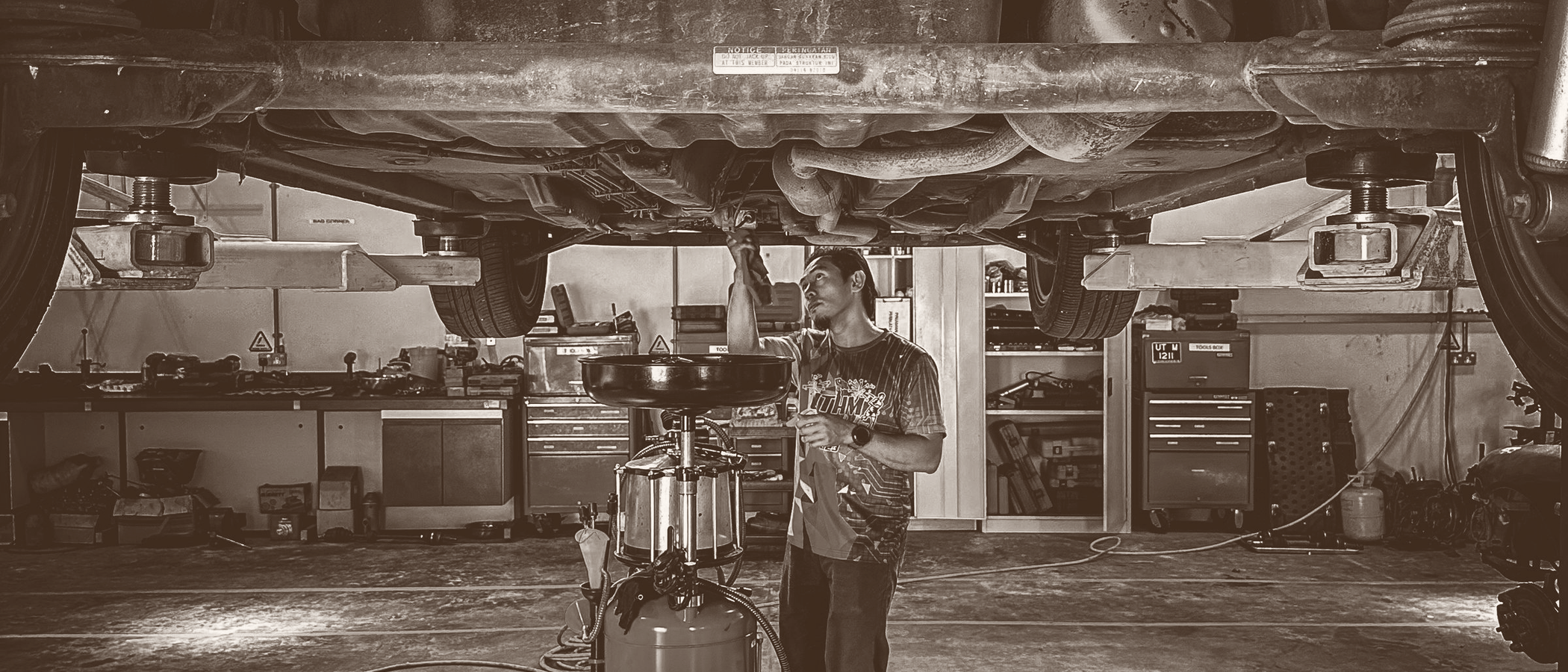
Fleet work is different from a walk-in oil change. One account can mean ten vehicles, each on its own service interval, each tied to a driver who needs the truck back by a specific hour. The shop that organizes this well earns a reputation as reliable. The shop that treats fleet calls like any other inbound ends up buried under a pile of missed drop-offs and frustrated dispatchers.
Why Fleet Accounts Concentrate Call Volume
A single-vehicle customer calls once, books once, and disappears until the next reminder. A fleet manager calls constantly. They call to schedule preventive maintenance. They call to add an emergency brake job before it becomes a roadside failure. They call to check whether unit 14 is ready, because the driver is standing in the yard waiting.
That pattern concentrates phone traffic into a few predictable windows. Early morning is the worst of it. Between roughly 6 and 9 a.m., drivers are dropping vehicles, dispatchers are confirming pickups, and your service writers are trying to check in walk-ins at the same time. Everyone wants the same person on the phone.
When a fleet manager calls during that crush and gets a busy signal or a voicemail box, they do not wait. They have vehicles that need to move. They call the next shop on their list. Fleet relationships look loyal on paper, but they are loyal only as long as the shop stays reachable.
Batching Preventive Maintenance So It Fits Your Bays
The core scheduling problem with fleets is that vehicles do not fail on a convenient calendar. Left alone, a ten-truck account will trickle in one unit at a time, each demanding a same-day slot, each interrupting whatever else you had planned.
Batching fixes most of that. Instead of servicing fleet vehicles reactively, you group preventive maintenance into planned blocks the account agrees to in advance.
A few tactics that hold up in a real shop:
- Stagger by interval, not by panic. Map each vehicle's mileage and service history, then assign PM appointments across the month so you are never handling the whole fleet in one week.
- Reserve fixed bays or days. Some shops hold a specific morning each week for a given account. The fleet manager knows Tuesday is their day, and your techs know what is coming.
- Bundle inspections with routine service. When a truck is already on the lift for an oil change, run the safety and tire check then. Fewer separate visits means fewer separate phone calls to arrange them.
- Confirm the day before. A short confirmation call the afternoon prior cuts no-shows and gives the dispatcher time to swap a vehicle if a truck got pulled onto a job.
Batching does not eliminate the emergency brake job or the surprise check-engine light. It shrinks the chaos around them so those urgent calls land in a schedule that has room to absorb them.
Managing Multiple Vehicles Under One Account
Handling one customer with ten vehicles is a records problem before it is a scheduling problem. If each truck lives as a separate ticket with no parent account, nobody can answer the dispatcher's simple question: what is the status of my fleet right now?
Structure the account so every vehicle carries a unit number, VIN, current mileage, and its own service history, all rolling up to one point of contact. When the fleet manager calls about unit 14, the service writer should find it in seconds without asking the caller to recite a VIN over a noisy yard.
Keep the billing contact and the operational contact clear. The person who approves a repair is often not the person dropping the truck off. Fleet accounts stall when a tech finishes a job and then waits an hour trying to reach someone who can authorize the invoice.
Keeping the Phone Answered During the Morning Crush
Every process above assumes someone actually answers when the fleet manager calls. During peak drop-off, that assumption breaks. Your best service writer is checking in a truck at the counter, the second line is ringing, and a third caller rolls to voicemail nobody will hear until lunch.
This is where responsive call answering matters most. Answara answers inbound calls 24/7, so a fleet manager calling at 6:40 a.m. reaches a live answer and can book or check status instead of hitting a voicemail box during the exact window they most need you. That keeps the morning calls that would otherwise go unheard inside your schedule rather than pushed toward the next shop on the dispatcher's list.
The goal is simple. A fleet manager who cannot reach anyone calls a competitor, and once a competitor proves they pick up, the account is hard to win back. Staying answerable during the hours that matter is what protects the relationship.
Making Fleet Scheduling a Habit, Not a Scramble
Fleet work rewards shops that treat it as an ongoing program rather than a series of one-off jobs. Set the service intervals, batch the appointments, keep clean records under each account, and make sure the phone gets answered when the yard is at its busiest. Do that consistently and fleet managers stop shopping around, because you have made yourself the shop that is always ready.
FAQ
How far in advance should I schedule fleet preventive maintenance? Map each vehicle's service interval and plan PM appointments across the month so the whole fleet is not landing in the same week. Confirming the day before each block keeps no-shows down and gives the dispatcher room to swap vehicles.
What is the best way to handle multiple vehicles under one fleet account? Structure the account with a unit number, VIN, mileage, and service history for each vehicle, all tied to a single point of contact. Keep the billing approver and the drop-off contact clearly labeled so authorizations do not stall a finished job.
Why do fleet accounts leave for another shop? Usually because they could not reach anyone when they needed to. A fleet manager with vehicles waiting will call the next shop rather than sit on hold, and a competitor that answers reliably is hard to displace.
How do I keep calls answered during the morning drop-off rush? Reserve your best-staffed hours for phone coverage and use a service that answers inbound calls around the clock. Answara answers calls 24/7, so peak-hour callers reach a live answer instead of voicemail.