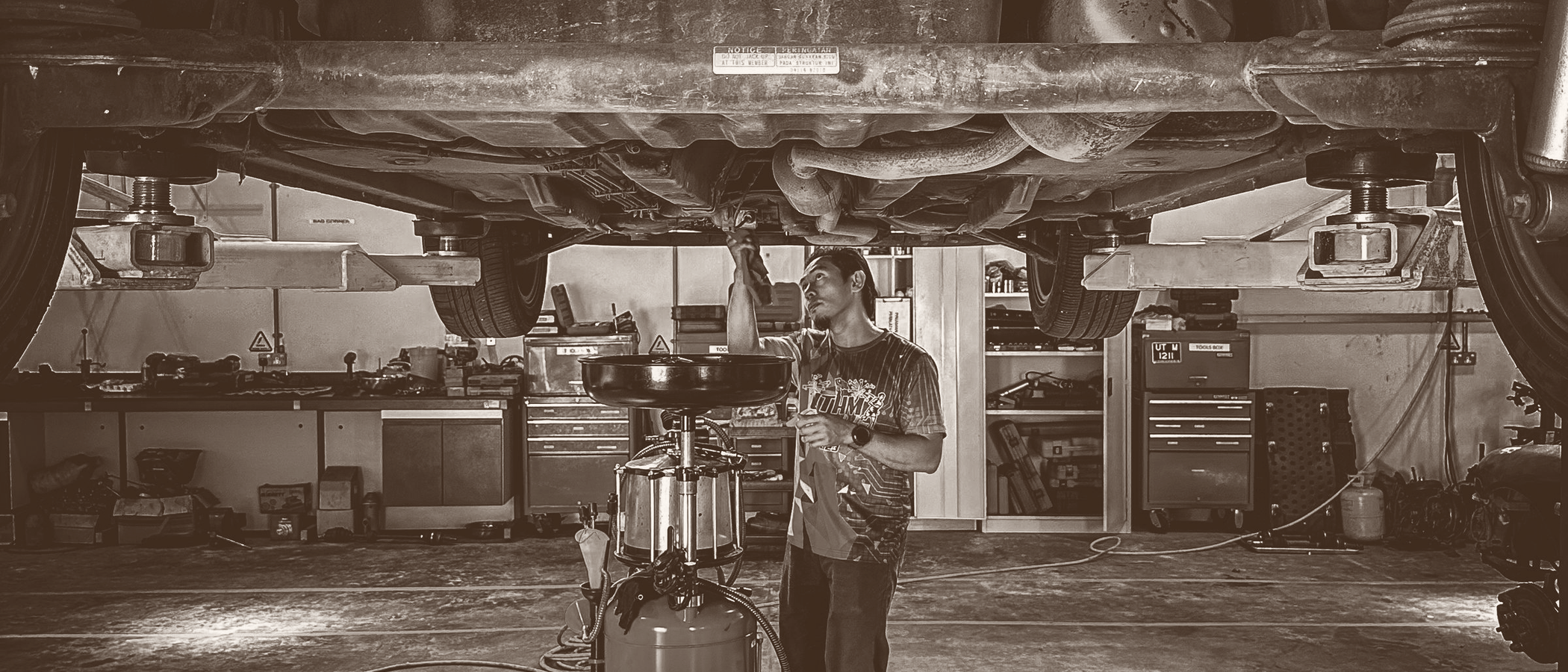
The phone rings at 7:15 on a Tuesday evening. The bays are locked, the lifts are down, and everyone has gone home. On the other end is a driver whose check-engine light just came on, or a fleet manager who wants three vans in for service next week. What happens to that call says a lot about how a shop runs.
Most owners settle on whatever was easiest to set up years ago and never revisit it. That is fair. You are busy running the shop. But after-hours coverage touches every caller who reaches you outside of business hours, so it is worth a real look at the options and where each one falls short.
Why After-Hours Calls Are Worth Taking Seriously
Auto repair is a category where people call when something has gone wrong. A stranded driver, a grinding brake, a car that will not start in the morning. These are not casual inquiries. The caller has a problem right now and is dialing shops in order until someone picks up or gives them a reason to wait.
Industry watchers have long pointed out that missed calls are a quiet drain on local service businesses. When a caller hits a dead end, they rarely leave a note and try you again tomorrow. They dial the next shop on the list. So the question is not whether after-hours calls matter. It is which coverage method loses the fewest of them without wearing you or your team down.
The Common Options And Where They Break
Every shop already has some form of after-hours coverage, even if it is just a full voicemail box. Here is an honest read on the four approaches most owners actually use.
Voicemail
Voicemail is free, already built into your line, and asks nothing of you after hours. That is the entire case for it, and for some shops it is enough.
The catch is that a lot of people will not leave a message. A caller in a hurry hears the beep and hangs up. Even the ones who do leave a message are trusting that you will listen, understand the details through road noise, and call back before they have booked elsewhere. Messages also pile up overnight, so you walk in to a queue instead of a schedule. Voicemail works best for shops with steady repeat customers who are patient and know you personally.
Forwarding To The Owner's Cell
Plenty of owners just point the shop line at their own phone. You catch the urgent stuff, you sound like a real person, and the caller gets a straight answer. For a solo operator or a small shop where the owner does not mind the interruption, this is genuinely effective.
The problem is the toll it takes. You are on call every evening, every weekend, during dinner and your kid's game. You end up screening, sending some to voicemail anyway, and resenting the ones you pick up. It also does not scale past you. If you are on a lift under a car or on vacation, the line goes quiet or gets handed to whoever is willing, which is inconsistent at best.
Traditional Answering Services
A live answering service puts a human on the phone around the clock. They greet the caller, take a message, and pass it along. For shops that want a person answering and are fine with a generic greeting, this covers the basics.
The tradeoffs show up in the details. Most services charge per minute or per call, so a busy night gets expensive, and pricing can be hard to predict. The operators are not car people. They can take a name and number, but they usually cannot speak to a brake job or explain your diagnostic fee, so the caller still waits for a real callback. Quality varies by who is working that shift, and the caller can often tell they have reached a call center rather than your shop.
AI Voice Receptionists
An AI voice receptionist answers every call in a natural-sounding voice, works through the caller's request, captures the details, and can help move them toward a booking. It picks up on the first ring at 2 in the morning without anyone losing sleep, and it handles ten calls at once during a storm when everyone's battery dies at the same time.
The honest limit is that an AI is not a human. It handles the common flow well: hours, location, what you service, taking down the vehicle and the problem, getting a callback set up. For a knotty warranty dispute or an angry customer who needs judgment, a good setup routes or escalates to a person rather than pretending. Treat it as reliable coverage for the bulk of calls, with a clean handoff for the ones that need you.
Matching The Method To Your Shop
There is no single right answer, and the best fit depends on your volume and how you want to spend your evenings.
A one-person shop with loyal regulars can often get by on voicemail plus a cell number for emergencies. A growing shop that is losing evening and weekend callers, but where the owner is tired of being the after-hours line, has outgrown both. That is the shop where an answering service or an AI receptionist starts to pay for itself in calls that stay with you. Between those two, the deciding factors are cost predictability and whether the caller gets useful answers or just leaves another message. If your after-hours calls are mostly routine requests to book service, an AI receptionist tends to fit. If nearly every call needs real human judgment, a live service or your own cell may still be the honest choice.
Cover Every Call With Answara
Answara is an AI voice receptionist built for shops like yours. It answers every inbound call, 24 hours a day, in a natural voice that does not sound like a robot reading a script. It listens to what the caller needs, captures the vehicle and contact details, and helps get them booked so you walk in to a schedule instead of a full inbox. It is not a human, and complex calls can route or escalate to your team, but for the everyday flow of after-hours calls it keeps the line covered without keeping you on call. Plans start at $99 a month.