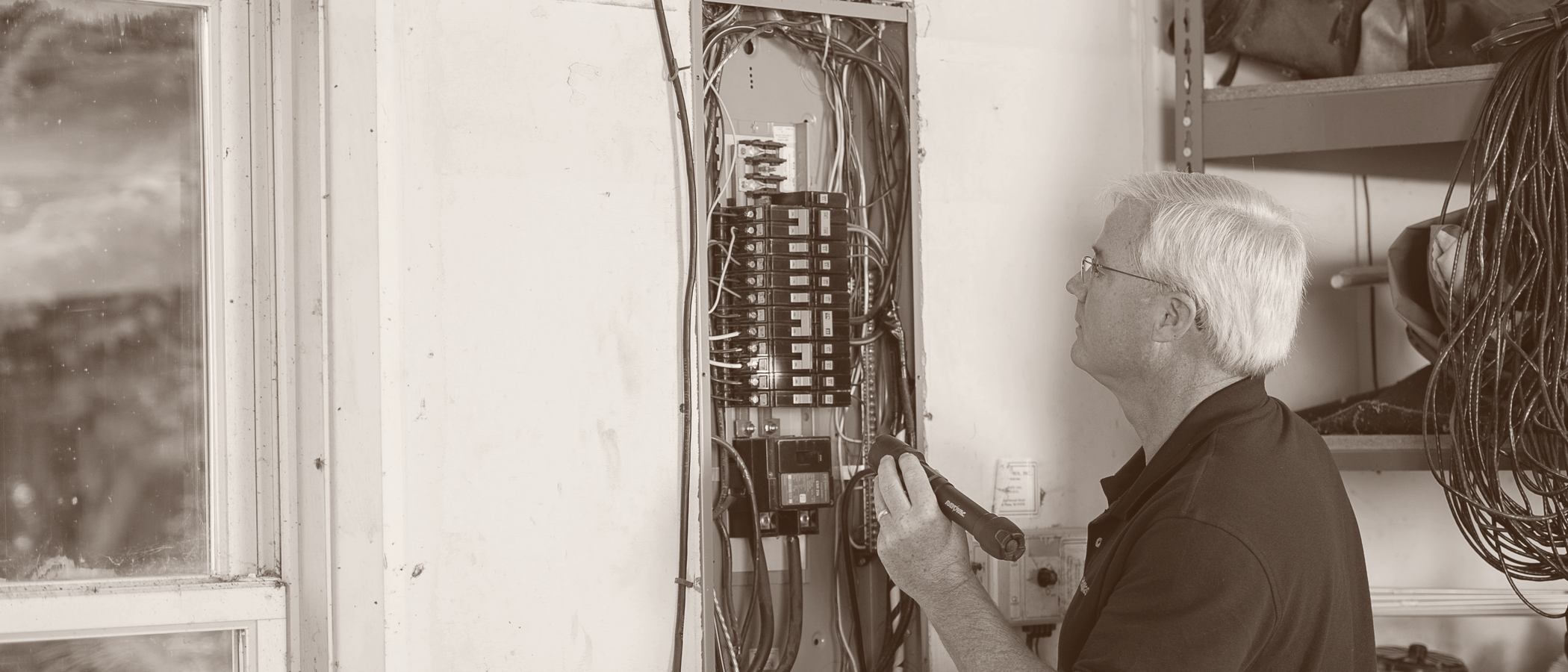
A facility manager finds a tripped panel feeding half a warehouse. A general contractor needs a licensed electrician on site before an inspection window closes. Both grab the phone and call the first commercial electrical contractor on their list. If that call rings out to voicemail because your crew is up a lift or buried in a mechanical room, the caller does not leave a message and wait. They dial the next number.
That is the quiet way commercial electrical shops lose bids and service jobs. Not on price, not on quality, but on a missed ring during field work. The work that pays the most, panel replacements, emergency service, tenant fit-outs, tends to arrive by phone from people who need an answer now. This article covers what to capture on that first contact, how to keep dispatch tight when crews are spread across sites, and how call handling can hold the line while your electricians have their hands full.
The First Call Decides Who Gets the Job
Commercial buyers do not shop the way homeowners do. A facility manager with a live electrical problem is not building a shortlist of five contractors. They are working down a list until someone picks up and sounds capable. Whoever answers first, asks the right questions, and commits to a site visit usually wins the work before the next contractor even hears the phone ring.
Calls that hit voicemail rarely get a callback. The caller has already moved on by the time you finish the job you were on. Worse, a general contractor who could not reach you on a small service call remembers that when the larger bid package goes out. First contact is not just about the job in hand. It is your audition for the next one.
What You Need to Capture on First Contact
A commercial service call carries more detail than a residential one, and getting it wrong on intake costs you a truck roll or a return trip. Every first contact should pull the same core facts, no matter who answers the phone.
- Job scope. Is this a panel issue, a lighting circuit, a breaker that keeps tripping, a new subpanel, or an inspection correction? Scope drives which electrician and what parts go on the truck.
- Site address and access. Which building, which suite, which gate. Whether there is a loading dock, a badge requirement, or a facility contact who has to escort the crew.
- Urgency and constraints. Is power down to critical equipment, or is this a planned upgrade? Is there an inspection deadline or a tenant move-in date driving the timeline?
- Point of contact. The name and direct line of the person on site, which is often not the person calling. General contractors and property managers frequently call on behalf of someone else.
- Voltage and system notes. Whether the caller can say if it is 120/208 or 277/480, single or three phase. Even a rough answer helps you send the right person.
Miss any one of these and you either send the wrong tech or send the right one without the right parts. Both burn a slot on a schedule that is already tight.
Dispatch Coordination When Crews Are Already on Site
Booking the call is only half the job. Commercial electrical work runs on coordination, and a call captured cleanly still gets lost if the details never reach the right electrician. When your people are on a scaffold or in an occupied building, nobody is watching the phone or updating the board.
The fix is a consistent intake that lands the same information every time, so whoever coordinates dispatch can slot the new job against crew location, license class, and the parts already on each truck. An emergency service call near a crew wrapping up a nearby site is a very different dispatch decision than the same call across town. You can only make that call well if scope, address, and urgency arrived complete and in one place, not scattered across a sticky note and a half-remembered conversation.
This is where reliable call handling matters most. Answara answers, books, and routes inbound calls around the clock, so a facility manager or GC reaching you during field work still gets a live, structured intake instead of a beep. It captures scope, site address, urgency, and the on-site contact, then routes the job to the right person, so your electricians stay on the tools and the phone still does its job. The point is not to replace your dispatch judgment. It is to make sure every call that comes in while crews are heads-down actually reaches you with the details intact.
Turning Intake Into a Booked Job
A captured call becomes revenue only when it turns into a confirmed appointment with a real time window and a clear owner. Vague promises to "have someone call back" leak jobs the same way voicemail does. Commercial contacts want a committed window they can put on their own calendar and report up their chain.
Set the appointment on the first call whenever you can. Confirm the site, the access requirements, and who will meet the crew. Give the caller a name and a time. That single act, booking the visit while you have them on the line, is what separates the contractor who gets the job from the three who said they would follow up and never did. When crews are on site all day, having the booking happen without pulling an electrician off the tools keeps both sides of the business moving.
FAQ
Why do commercial electrical shops lose so many jobs to voicemail? Because commercial buyers call down a list and stop at the first contractor who answers and commits. A facility manager or GC with a live problem needs an answer now, and a voicemail box rarely earns a callback before they have already booked someone else.
What information should we always capture on a first service call? Job scope, site address and access details, urgency and any deadline, the on-site point of contact, and whatever the caller can tell you about the electrical system. That set lets you send the right electrician with the right parts the first time.
How do we book calls when every electrician is already on a job? You need call handling that works independent of who is free. A structured intake that captures the same details every time, paired with routing to a coordinator, means an on-site crew never has to choose between the customer in front of them and the phone.
Where does Answara fit in? Answara answers, books, and routes your inbound calls 24/7, capturing scope, address, urgency, and contact on first ring and sending the job to the right person. Your crews stay on the tools while inbound work still gets booked.
Missed calls send facility managers and GCs straight to the next contractor. Answara keeps your phone answered while your crews stay on site. See how it works.