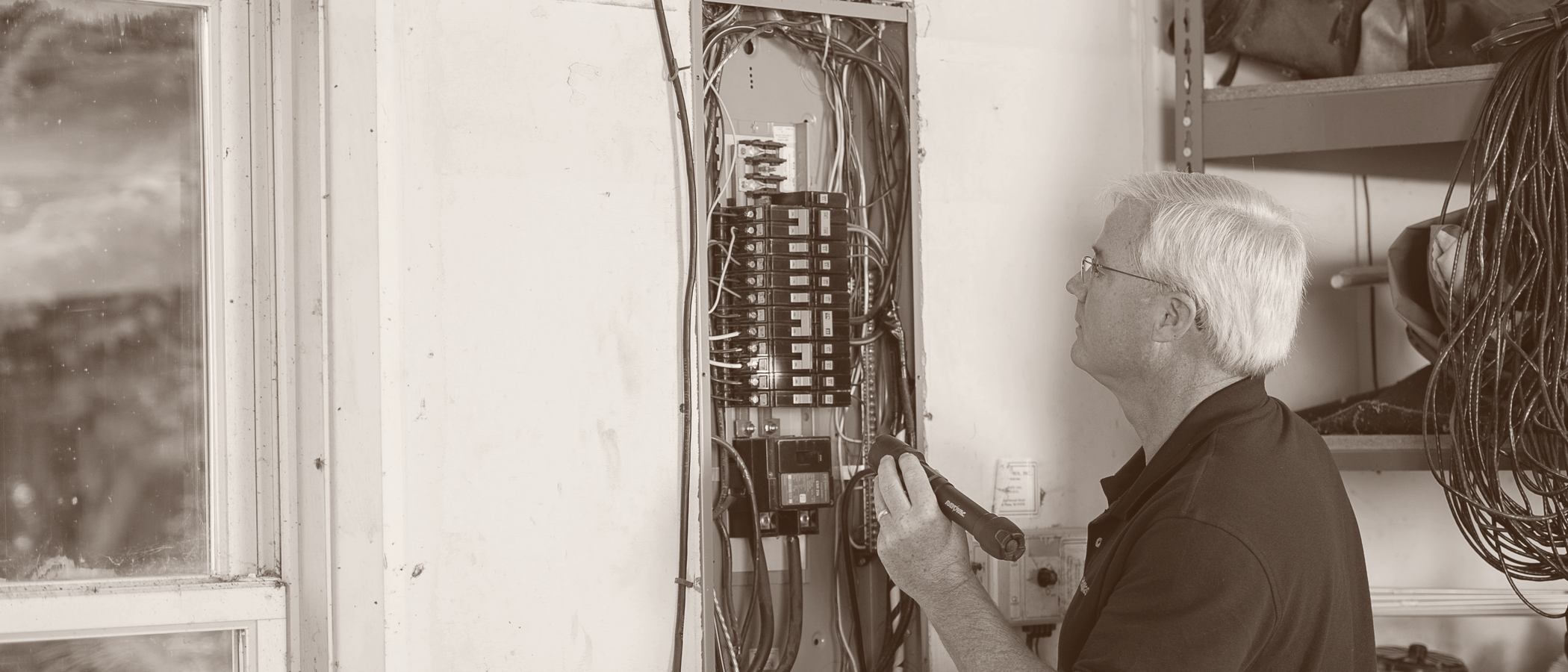
A homeowner smells something hot behind an outlet at 9 p.m. They start calling electricians. The first one who picks up gets the job, and the callback voicemail you leave the next morning lands after they already have someone on the way.
Emergency electrical work does not keep business hours. Panels trip, breakers buzz, half a house goes dark, and the caller wants a real voice on the line right then. This is a look at what after-hours coverage actually needs to do for an electrical shop, and where a receptionist that answers every call fits in.
Why After-Hours Calls Matter More in Electrical
Most trades get urgent calls. Electrical gets the ones with a smell of smoke attached. A tripping breaker that will not reset, a scorched receptacle, a burning odor near the panel: these are the calls where the homeowner is already a little scared, and they are dialing down a list until a person answers.
When that call hits voicemail, a few things happen at once. The caller keeps dialing. Your competitor picks up. And you find out about the emergency hours later, when the window to help has closed. The work did not disappear. It went to whoever answered first.
There is a second cost that is easy to miss. Even non-emergency callers who reach voicemail after hours often do not leave a message. They just move on. A quote request for a panel upgrade, a question about EV charger installation, a landlord lining up work for three units: those go quiet without ever showing up as a missed opportunity you can see.
What Good After-Hours Coverage Does
Answering the phone is the floor. Good coverage does more than confirm someone is breathing on the other end.
Triage the emergency from the routine
Not every after-hours call is a true emergency, and not every caller can tell the difference. A well-run answering setup asks a short set of questions to sort the burning-smell call from the "my dimmer switch stopped working" call. That lets you decide what genuinely warrants a callback tonight versus what can wait until morning, instead of treating every ring the same.
For electrical specifically, a few triage questions carry weight:
- Is anyone smelling smoke, seeing sparks, or feeling heat near an outlet or panel?
- Is the power out to part of the home or the whole home?
- Is there water near the electrical issue?
Those answers tell you whether to wake up for it.
Capture the details you actually need
A name and number is a start. What saves you a second phone call is the rest: the address, the nature of the problem, whether it is a repair or a new install, and how the caller wants to be reached. When those details are captured cleanly, whoever handles the callback walks in already knowing the job.
Get the routine work moving
Plenty of after-hours calls are not fires. They are people who finally have a free evening to deal with the flickering lights they have ignored for a month. Coverage that can take that request, log the details, and help the caller toward a booking keeps that work from evaporating overnight.
The Options, and Their Trade-Offs
Electrical contractors usually cover after-hours calls one of three ways, and each comes with a catch.
You answer it yourself. Cheapest on paper, expensive on your life. You are on call every night, the phone rings during dinner and at 2 a.m., and the calls that are not emergencies still pull you out of whatever you were doing. It works until it burns you out.
A traditional call center. A human answering service will pick up, but the person on the line is rarely an electrical person. They read from a script, take a message, and pass it along. Quality swings with whoever is working that shift, and you are often paying per minute or per call whether the caller was a real lead or a wrong number.
An AI voice receptionist. A newer option: software that answers in a natural voice, asks your triage questions, and captures the details, every time, without a shift schedule. It does not get tired at midnight and it does not put callers on hold. The trade-off is making sure it is set up to sound like your shop and to ask the right electrical questions, which is worth the upfront time.
There is no perfect answer for every shop. A solo electrician and a ten-truck operation have different tolerances for cost, control, and being woken up.
Setting It Up Without Overthinking It
If you go the answering-service route, a little prep makes the difference between coverage that helps and coverage that annoys your callers.
Write down your triage questions first. Decide what counts as a true emergency for your shop and what does not, because that line is yours to draw. Give the service your service area so it can flag calls outside your range. Decide how you want to be reached for the real emergencies, whether that is a text, a call, or an email that hits your phone.
Then listen to a few real calls in the first week. You will hear where the script needs tightening, which questions confuse callers, and where a caller needed something the setup did not cover. Adjust from there. Coverage gets better when you treat the first month as tuning, not set-and-forget.
Cover Every Call With Answara
Answara is an AI voice receptionist built for home-services businesses like electrical shops. It answers every inbound call, 24 hours a day, in a natural voice, so the 9 p.m. burning-smell call and the Tuesday-afternoon quote request both reach a real conversation instead of a voicemail beep. It asks the questions you set, captures the caller's details and the nature of the job, and helps get callers booked so the work is ready for you to pick up. Plans start at $99 a month. If your phone is the front door of your business, this is a way to make sure someone is always standing at it.