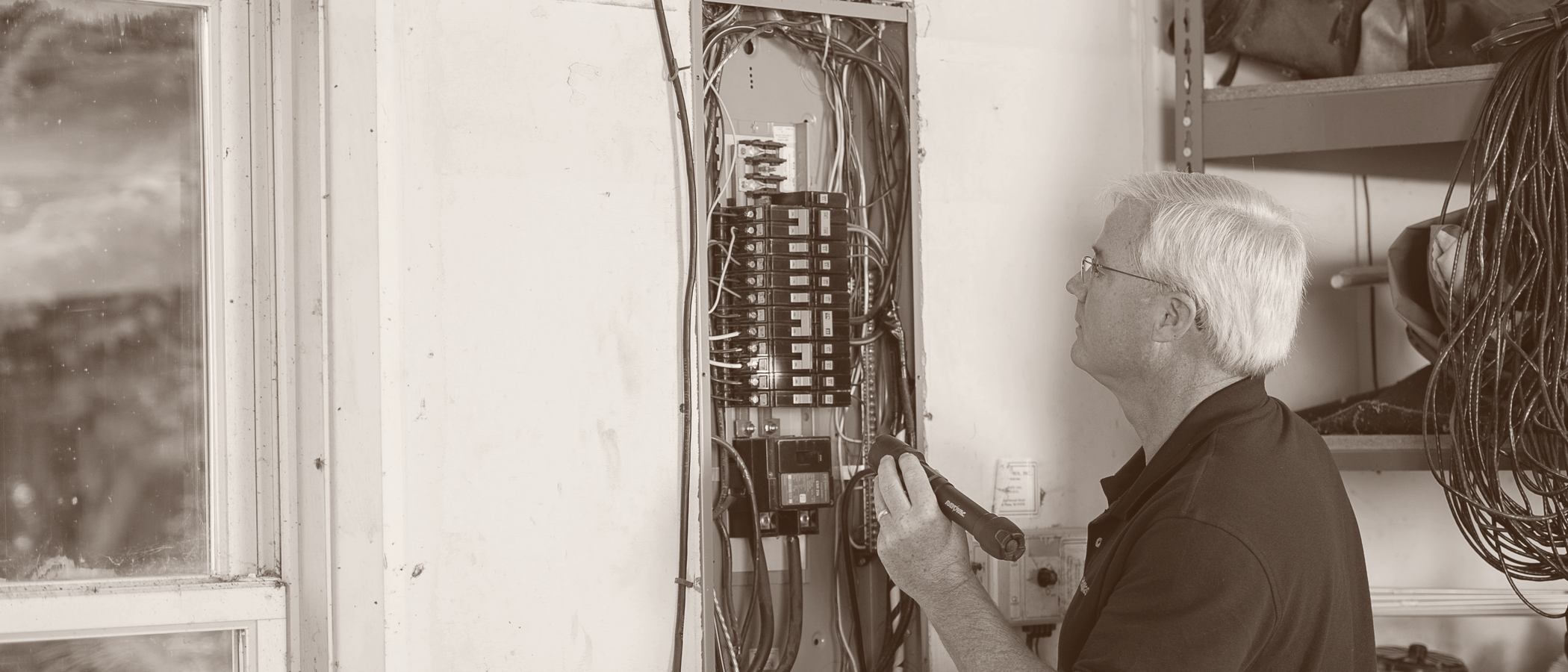
The lights go out mid-evening. Half the house still has power, the other half is dark, and the panel in the garage smells faintly of hot plastic. This is the moment most homeowners realize they have never actually needed an emergency electrician before. What happens next depends on a few quick decisions, and some of them matter more than the outage itself.
This guide walks through the common reasons people call an electrician after hours, what a licensed pro checks first, and why the speed of the response is a safety issue and not just a convenience.
Safety First: When It Stops Being an Electrical Problem
Before anything else, learn the line between an inconvenience and a hazard.
If you smell burning plastic, see smoke, or watch an outlet spark or scorch, treat it as a fire risk. Get everyone out and call 911 or your local fire department if there is any flame, smoke, or immediate danger. Do not open a hot panel to investigate. Do not pour water near electrical equipment. An electrician is the right call once the immediate danger is handled, not before.
A few situations that warrant that level of caution:
- A burning or fishy smell coming from an outlet, switch, or the main panel
- Scorch marks, melting, or a buzzing sound at a receptacle
- Sparks when you plug something in or flip a switch
- A panel or outlet that is warm or hot to the touch
Once safety is covered, the electrical diagnosis begins.
Partial Power Loss and the Tripped Main That Will Not Reset
Losing power in only part of the house is one of the most common after-hours calls, and it usually points to something specific.
When half your home goes dark while the rest stays lit, a licensed electrician suspects a lost "leg" of your incoming power. Residential service arrives on two 120-volt legs. If one drops, roughly half your circuits die while 240-volt appliances like the dryer or range may behave strangely. That fault can sit in the panel, the meter, the service line, or on the utility side. A pro checks voltage at the main lugs to find out which.
Then there is the breaker that will not reset. A breaker exists to trip, so one trip is normal. A breaker that snaps back off the instant you reset it is doing its job and telling you something is wrong downstream: an overloaded circuit, a short, or a ground fault. Forcing it, taping it, or swapping in a larger breaker turns a protective device into a fire starter. An electrician isolates the circuit, tests for the fault, and finds the cause before restoring power.
What a Licensed Electrician Checks First
An emergency call-out is not a guessing game. A licensed electrician tends to work outside in, following the power from the street to the failed circuit.
Here is the general order most pros follow:
- The panel and main. They look for heat, discoloration, corrosion, loose lugs, and the smell of overheated insulation, then measure voltage on both legs.
- The meter and service entrance. Damage here can mimic an internal fault and often means looping in the utility.
- The affected circuit. Once the panel is cleared, they trace the dead or faulty circuit to outlets, switches, and junction boxes, checking for loose connections and heat damage.
- The devices themselves. Aging outlets, backstabbed connections, and overloaded receptacles are frequent culprits behind a burning smell.
Expect the electrician to ask what you noticed and when. What tripped, what you smelled, whether anything unusual was plugged in. Those details narrow the search quickly and can shave real time off the visit.
Why Response Speed Is a Safety Issue
With a lot of home repairs, waiting until morning costs you nothing but comfort. Electrical faults are different because some of them get worse on their own.
A loose connection generating heat does not stabilize. It keeps arcing, keeps warming the surrounding insulation, and the risk climbs the longer it runs. The Electrical Safety Foundation International consistently identifies home electrical failures as a leading cause of residential fires, which is why fast triage matters. The goal of a quick response is often to tell you what to shut off right now, before a technician even arrives.
This is where reaching a real contractor at 9pm actually counts. Established electrical contractors keep their after-hours lines covered so an urgent safety call is never dumped to a dead voicemail. Some staff a live answering service; others use an AI receptionist like Answara to answer every call around the clock, capture the address and the nature of the emergency, and route true hazards to an on-call electrician without delay. The point is simple: when your panel is hot, the phone should be answered by someone, or something, that can act on it.
What the Visit Usually Involves
For a genuine emergency, the first job is to make the home safe, not to finish every repair that night. An electrician may de-energize a dangerous circuit, replace a failed breaker or scorched outlet, and confirm the rest of the system is stable. Larger work, like a panel replacement or a service upgrade, often gets scheduled for daylight once the hazard is contained.
Ask for a clear explanation of what failed and why. A good electrician will show you the damaged component and tell you plainly whether the underlying issue is solved or merely paused until a bigger fix.
FAQ
Should I call an electrician or 911 for a burning smell? If there is smoke, flame, or a strong burning odor you cannot immediately trace and stop, call 911 or the fire department first and get out of the house. Once the immediate fire risk is handled, an electrician diagnoses and repairs the fault. When in doubt, treat it as a fire emergency.
Why does my breaker trip again the second I reset it? An instant re-trip means the breaker is protecting you from a real fault downstream, usually a short circuit, ground fault, or serious overload. Leave that circuit off and call an electrician. Never tape a breaker on or replace it with a higher-rated one to stop the tripping.
Half my house has no power but the utility says service is fine. What now? That pattern often points to a lost leg of power inside your panel, meter, or service entrance rather than a utility outage. It needs a licensed electrician to measure voltage and locate the fault. Avoid running 240-volt appliances until it is checked.
Can I wait until morning for an emergency electrical issue? Sometimes, but not when heat, burning smells, sparking, or a breaker that will not reset are involved, because those faults can worsen on their own. If you are unsure, call an after-hours electrician and describe exactly what you are seeing so they can tell you what to shut off in the meantime.