Most homeowners only think about electrical permits once, and it is usually the moment a contractor mentions one. The reaction is predictable. Why do I need a permit to add a few outlets? What does an inspector actually look at? Will this hold up my project? These are fair questions, and the answers are less mysterious than they seem.
This guide walks through when electrical work typically needs a permit, what inspectors check, and how to prepare so the visit goes smoothly. Rules vary from one city or county to the next, so treat everything here as a starting point and confirm the specifics with your local building department or licensed electrician.
Why Electrical Permits Exist
A permit is a record that the work was reviewed against a safety standard. Electrical faults are a leading cause of house fires, and much of that risk traces back to work done without oversight: overloaded circuits, undersized wire, missing grounds, connections buried inside walls where no one can see them.
The permit process puts a trained inspector between the work and the drywall. It also protects you later. When you sell, an appraiser or buyer's inspector may ask whether major electrical changes were permitted. Unpermitted work can stall a sale or force you to open finished walls to prove the wiring is safe.
When Does Electrical Work Need a Permit?
Here is the honest answer: it depends on where you live. That said, some patterns hold across most jurisdictions.
Work that usually requires a permit:
- Adding new circuits or branch wiring
- Installing or upgrading a service panel
- Running wiring for an addition, a finished basement, or a converted garage
- Installing a hot tub, EV charger, or other high-load equipment
- Moving or adding outlets, switches, or fixtures inside walls
Work that often does not require a permit:
- Swapping a light fixture for a similar one on existing wiring
- Replacing a broken switch or receptacle with the same type
- Changing a thermostat
The gray area is wider than people expect. Some towns require a permit for a single new receptacle; others do not. Some allow homeowners to pull their own permit for work on their primary residence, while others limit permits to licensed electricians. If a job involves the panel, new circuits, or anything behind a wall, assume a permit is likely and verify before the work starts.
Who Pulls the Permit?
When you hire a licensed electrician, the electrician normally pulls the permit and schedules the inspection. That is part of what you are paying for. If a contractor suggests skipping the permit to save time, treat it as a warning sign. The liability lands on you, the property owner, not on them.
What Inspectors Actually Check
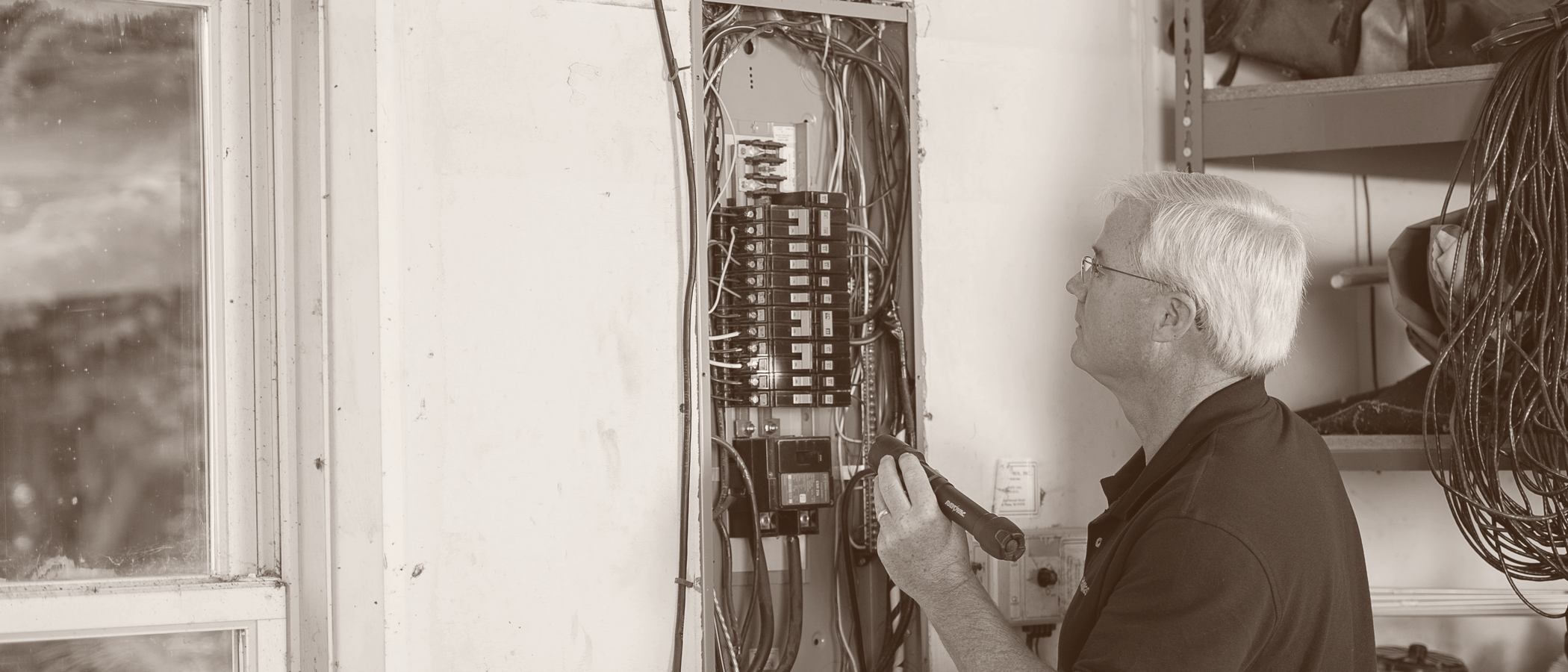
An electrical inspection is not a search for reasons to fail you. Inspectors follow a checklist tied to the adopted code, and most of it comes down to a few themes.
Grounding and bonding. The inspector confirms the system has a proper path to ground so a fault trips a breaker instead of energizing something you might touch.
Wire sizing and overcurrent protection. The wire gauge has to match the breaker. A common failure is a circuit protected by a breaker rated higher than the wire can safely carry.
Connections and boxes. Splices belong inside accessible junction boxes with the right covers. Wire nuts have to be secure, boxes cannot be overfilled, and nothing should be buried in a wall where it cannot be reached.
Required protection devices. Depending on the room, the code may call for ground-fault protection near water or arc-fault protection in living spaces. Inspectors check that these are present where the current code requires them.
Labeling and clearances. Panels need accurate circuit labels and enough clear space in front of them. Someone should be able to reach a breaker fast in an emergency.
The exact code edition your jurisdiction enforces determines the fine points, and those editions update on a cycle. Do not assume a code number you read online applies to your address. Your local authority is the source of truth.
Rough-In Versus Final Inspection
Larger jobs get inspected twice. The rough-in inspection happens after the wiring is run but before insulation and drywall go up, while everything is still visible. The final inspection happens once the fixtures, devices, and cover plates are installed and the system is energized.
The reason for two visits is simple. Once a wall is closed, the inspector cannot see how the wire was run or whether boxes were installed correctly. Closing a wall before the rough-in passes is one of the more expensive mistakes on a project, because it may have to come back open.
How to Prepare for an Inspection
A little prep keeps the visit short.
- Make sure the panel and any work areas are clear and easy to reach
- Have the permit paperwork on hand or posted if your jurisdiction requires it
- Keep pets secured and give the inspector a clear path
- Finish the scope described on the permit before scheduling the final
If your electrician is handling the job, most of this is on them. Your part is access and timing. Inspection slots can be tight, and a missed appointment can push a project by days.
The After-Hours Question Most Homeowners Have
Permit and inspection questions rarely arrive during business hours. A homeowner reads a contract clause at night, or an inspector leaves a note, and the questions pile up: Was this permitted? When is the inspection? What did they flag?
For an electrical contractor, those calls are the pipeline. Across home services, a large share of inbound calls go unanswered, and calls that reach voicemail after hours often do not call back. They move to the next name on the list. Missed calls are missed jobs, and the industry loses a meaningful volume of work simply because no one picked up.
This is one place an AI voice receptionist like Answara can help, answering routine intake and permit questions and capturing the caller's details so nothing slips overnight. For a deeper look at how electricians handle common customer questions, see our electrical resources.
Frequently Asked Questions
Do I need a permit to replace a light fixture?
Usually not, if you are swapping a fixture for a similar one on existing wiring. New wiring or a new circuit is a different matter. Check with your local building department if you are unsure.
Can I pull my own electrical permit?
In some jurisdictions a homeowner can pull a permit for work on their own primary residence. Others require a licensed electrician. The building department will tell you which rule applies to your address.
How long does an electrical inspection take?
A straightforward final inspection often takes well under an hour. Larger jobs with a rough-in stage take longer overall because they involve more than one visit.
What happens if work was done without a permit?
You can often apply for a permit after the fact, sometimes called a retroactive or legalization permit. The inspector may ask to see the work, which can mean opening finished walls. It is cheaper to permit up front.
Who schedules the inspection?
When you hire a licensed electrician, the electrician typically schedules it and meets the inspector. If you pulled the permit yourself, scheduling is on you.
Permits and inspections feel like friction, but they are the paper trail that says the wiring behind your walls is safe. When a contractor treats that trail as normal rather than optional, that tells you something worth knowing before the work begins.