A homeowner buys an electric SUV on Saturday. By Sunday afternoon they have a garage plug that won't cut it and a delivery date bearing down on them. They pull up three electricians on their phone and start dialing. The first shop that answers, asks a few sharp questions, and sounds like it has done this before is the shop that gets the walkthrough. The other two get a voicemail box that nobody checks until Monday.
That is the shape of the EV charger market right now. These are high-ticket jobs, often involving a panel evaluation, a permit, and a real conductor run, and the customer usually has a hard deadline tied to a vehicle they already own. The inquiry is warm and specific, and the same qualities that make it valuable also make it perishable. An unanswered call on an EV install is a job that goes to whoever picks up next.
This guide covers the questions that let you quote an EV charger installation accurately on the first conversation, why panel capacity and run distance decide whether a job is simple or a small project, and the callback timing that keeps these inquiries from walking to a competitor.
Why the First Call Carries So Much Weight
EV charger work sits in an awkward spot. It is more involved than swapping an outlet and less predictable than a standard service call. Two houses on the same street can quote out completely differently depending on panel age, garage location, and how the customer plans to charge.
Because of that variance, a vague first call leads to a vague quote, and a vague quote loses to a confident one. When you ask the right questions up front, you signal competence and you give yourself the information to price the work instead of guessing at it. There is a timing layer on top of this. EV buyers shop fast. They are motivated, they have a car in the driveway, and they compare a handful of shops in a single afternoon. Slow callbacks read as disinterest, and the bid quietly closes before you ever open it.
The Qualifying Questions That Make or Break the Quote
You do not need a marathon interview. You need five or six answers that tell you whether this is a two-hour job or a half-day project with a subpanel.
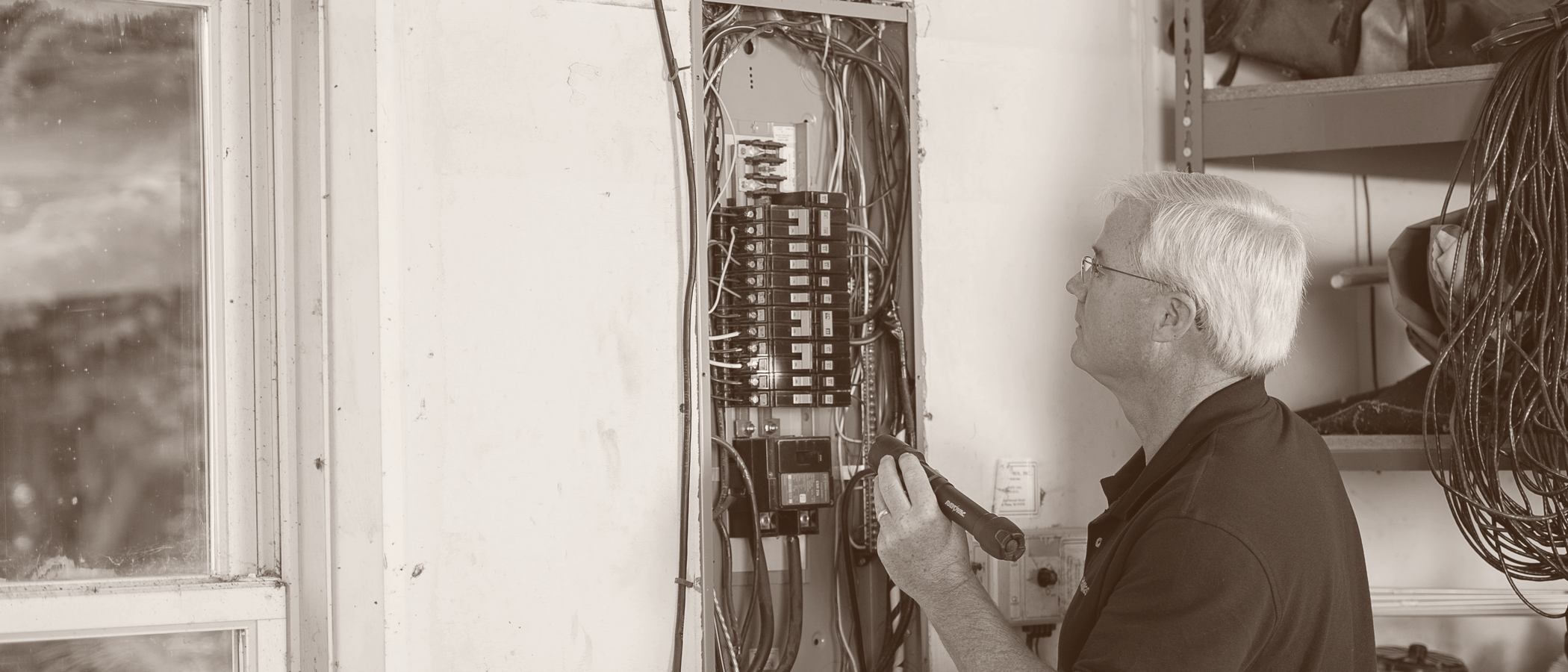
What does the electrical panel look like? Ask for the amperage rating printed on the main breaker and roughly how many open slots are left. A 200-amp panel with room to spare is a different conversation than a full 100-amp panel that may need a load calculation or a service upgrade first. Age matters too. A brand with a known recall history changes your recommendation on the spot.
Which charger, and hardwired or plug-in? Some customers already bought a unit and know the amperage. Others want a recommendation. A Level 2 charger pulling 48 amps needs a 60-amp circuit and heavier wire than a 32-amp unit. Whether it is hardwired or plugged into a NEMA 14-50 outlet affects both the materials and, in many areas, the permit path.
How far is the panel from where the car parks? This is the number that quietly swings the quote. A charger mounted on the garage wall six feet from the panel is cheap. A detached garage or a driveway spot on the far side of the house means a long conductor run, possibly a trench, and a real jump in labor and material. Ask them to pace it off or describe the route.
What is the wall and the path? Finished drywall, an open stud bay, a masonry foundation, or an exterior run all change how the cable gets from A to B. A quick question here saves a surprise on install day.
Do they know the local permit and utility situation? Most EV installs need a permit and an inspection, and some utilities have their own requirements for higher-amperage circuits. Asking tells the customer you handle this properly and flags any jurisdiction that runs slow on approvals.
One more worth adding: ask when they need it done. A customer taking delivery in ten days behaves differently than one planning ahead, and it tells you how to sequence the visit.
Turning Answers Into a Real Number
Once you have those answers, you can sort the call before you ever roll a truck. Short run, healthy panel, standard charger: you can often give a tight range on the phone and book a site check. Long run or a panel close to full: you flag that a load calculation or possible upgrade is on the table and quote a range with that caveat stated plainly. Full panel or aged service: you set the expectation that this is a two-part job and price the site visit accordingly. Customers respect a number that comes with reasoning attached. "It is around this if your panel has room, and here is what would push it higher" beats a flat figure with no logic behind it.
Covering the Calls You Cannot Take
The hard part is not knowing the questions. It is being on the phone to ask them when you are already up a ladder or under a crawlspace. EV inquiries do not wait for a convenient hour.
Shops handle this a few different ways. Some run an after-hours answering service that takes a message. Some add seasonal or part-time help during the busy stretch. Some route overflow to a second line or a dispatcher. Answara is another option here: an AI voice receptionist that answers the call, walks the caller through the qualifying questions above, and hands you a structured summary of panel size, charger type, and run distance so the callback is already half-done. Which approach fits depends on your call volume and how much of the intake you want handled before you dial back. Either way, when an EV inquiry comes in, someone or something captures the details that let you quote well, and the caller hears a real response instead of a beep.
FAQ
How long does a typical EV charger installation take? A straightforward Level 2 install near the panel is often a few hours. Long runs, trenching, or a panel upgrade can turn it into a full day or a two-visit job. The qualifying questions on the first call tell you which one you are looking at.
Do I always need to upgrade the panel for an EV charger? No. Many homes with a 200-amp panel and open capacity handle a Level 2 charger without any upgrade. Older or fully loaded panels may need a load calculation or a service upgrade first, which is why panel amperage and open slots are worth asking about early.
What amperage circuit does a Level 2 charger need? It depends on the unit. A 32-amp charger typically wants a 40-amp circuit, and a 48-amp charger wants a 60-amp circuit. Confirming the model and whether it is hardwired tells you the wire gauge and breaker before you quote.
Why do I keep losing EV install bids to other shops? Often it comes down to speed and clarity on the first contact. These buyers shop several electricians in a short window, and the one who answers, asks sharp questions, and gives a reasoned number tends to win.