The storm rolls through on a Thursday afternoon and by evening half the county is dark. Traffic lights are out and a few thousand homeowners are staring at a silent breaker panel wondering how long the food in the freezer has. Some of them ride it out. A handful decide, right then, that they are done gambling on the grid.
Those are the calls that come in Friday morning. A homeowner who watched their neighbor's lights stay on through the outage wants the same thing, and they want to talk to someone who installs standby generators today. They are looking at a whole-home system, a gas line or a propane tank, a transfer switch, and a permit, and they have a stack of questions before they commit to anything.
This guide covers the questions electricians hear first on standby and whole-home generator jobs: sizing, fuel type, transfer switches, permits, and timeline. Knowing how to answer them cleanly on the first call is most of the battle.
How Big a Generator Do I Actually Need?
This is usually the opening question, and the honest answer is that it depends on what the homeowner wants to run. There are two broad paths. A whole-home standby unit powers the entire panel, so nothing in the house notices the outage. A managed or partial system covers the essentials: heating and cooling, the well pump, the refrigerator, while leaving the rest dark.
Sizing comes down to a load calculation, not a guess. You add up the running watts of everything the homeowner wants covered, then account for the startup surge on motor loads like an air conditioner compressor or a well pump, which draw far more for a second than they do while running. A house with two AC units and an electric range needs a very different unit than an all-gas house with a single system.
Homeowners often anchor on a number they saw online. The useful move is to walk them back to the question underneath it: do you want the whole house, or do you want to never lose the furnace and the fridge again? The answer sets the size and the budget.
Natural Gas or Propane?
Fuel type is the second question, and it usually answers itself based on the property. If the home already has a natural gas line, that is the path of least resistance. The generator taps the existing supply, so there is no tank to refill and no fuel to run out of during a long outage.
Homes without gas service run on propane, which means a tank on the property. Propane works well and stores for a long time, but the homeowner needs to think about tank size and refills, especially if outages in the area tend to run for days. For most residential standby jobs the conversation is natural gas versus propane.
Worth flagging early: the fuel decision touches other trades. A natural gas hookup may need the utility or a plumber to confirm the line can carry the added load. Setting that expectation on the first call keeps the homeowner from thinking the whole job is a single afternoon.
What Is a Transfer Switch and Why Do I Need One?
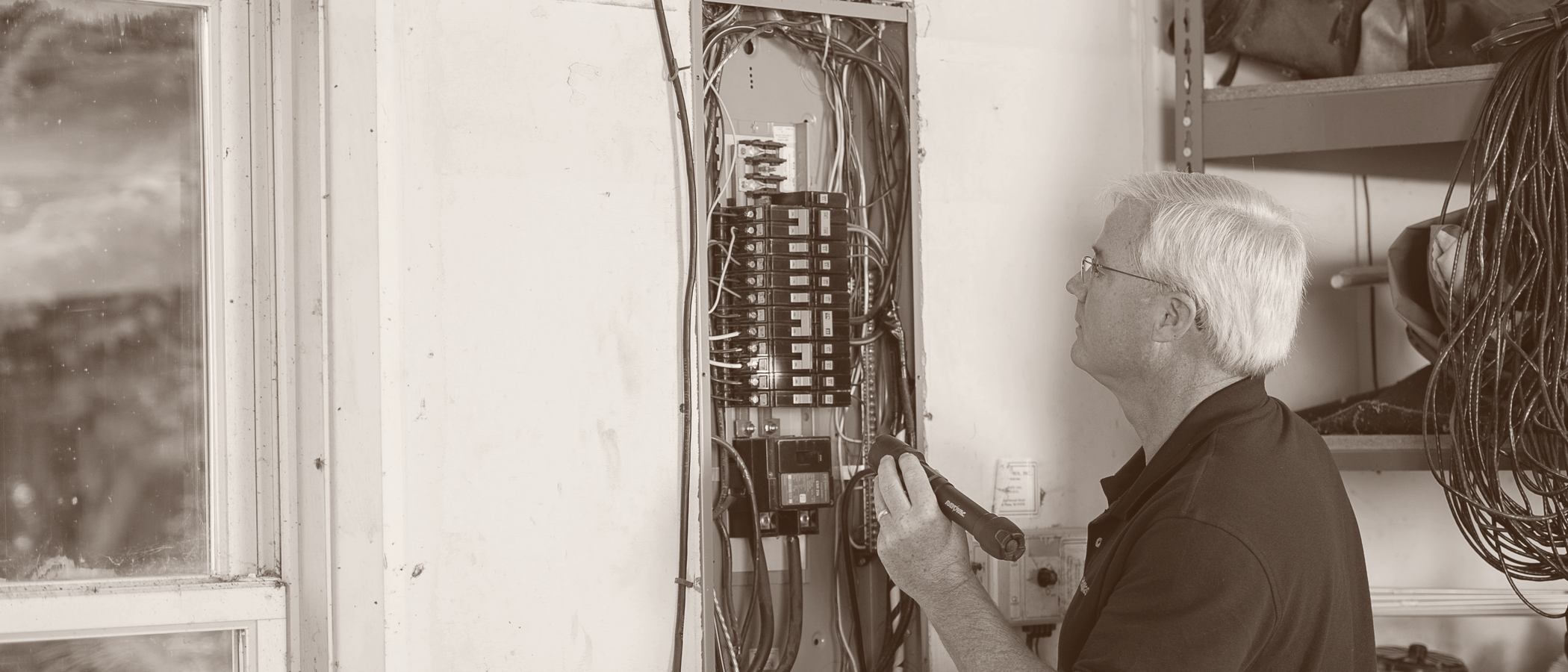
Most homeowners have never heard the term, so this is where a plain explanation earns trust. A transfer switch decides whether the house is drawing from the grid or from the generator, and it makes sure the two are never connected at once. That last part is not optional. Back-feeding power onto a dead utility line can injure or kill a lineman working to restore service, which is why code requires the switch.
An automatic transfer switch senses the outage, starts the generator, and moves the house to generator power within seconds, then switches back when the grid returns. A manual switch does the same job but the homeowner throws it by hand. Most people buying a standby system want automatic, because the appeal is that they do not have to be home or awake for it to work.
Do I Need a Permit for This?
Almost always, yes. A standby generator installation typically involves an electrical permit, and often a separate gas or plumbing permit for the fuel connection, plus an inspection once the work is done. Requirements vary by town and by utility, and some areas add noise ordinances or setback rules that govern how far the unit sits from the property line and windows.
Homeowners sometimes hope to skip this. The straight answer is that pulling the permit protects them: it keeps the install to code, it keeps their insurance valid if the system is ever part of a claim, and it means the work passes inspection instead of surfacing as a problem when they sell the house. A contractor who handles the permitting as part of the job is doing them a favor, and it is worth saying so.
How Long Does the Whole Thing Take?
The install day itself is often short, a day or two on site for a typical residential unit. The timeline homeowners actually feel is longer, because it includes the load calculation, the permit, the fuel and utility coordination, and scheduling the inspection. Supply on the generator unit can add weeks depending on the model and the season, and demand spikes right after a big regional outage. A homeowner who understands they are looking at a few weeks, not a few days, is a homeowner who stays with you instead of calling the next company hoping for a faster answer.
When the First Call Decides the Job
Every question above lands during that initial conversation, often before the homeowner has committed to anything. Standby generator work is high-ticket, and the buyer is usually calling several electricians in the same hour. A slow callback on a whole-home generator is a five-figure job that lands with whoever answered first and sounded like they knew the difference between a load calculation and a wild guess.
That is a staffing problem as much as a sales one, because the storm that drives the calls also drives you into the field, away from the phone. Shops handle it a few ways. Front-desk staff can capture the job details and book the load-calc visit. An answering service catches overflow. An AI receptionist like Answara can answer every call, ask the sizing and fuel questions, and put the appointment on the calendar while the crew is on a roof. None of these is the only right answer. On a lead type this valuable, the call that goes to voicemail is usually the call you lost.
Frequently Asked Questions
Can I install a standby generator myself? The generator placement and some prep can be homeowner-done, but the electrical connection, the transfer switch, and the fuel hookup are licensed work in nearly every jurisdiction, and they require permits and inspection. This is not a DIY job for the parts that matter.
How often does a standby generator need service? Most manufacturers call for periodic maintenance, typically an annual check plus an oil and filter service depending on runtime. The unit also runs a short self-test on a schedule, which is normal and not a sign of a problem.
Will a whole-home generator power my air conditioning? It can, but only if the unit is sized for it. AC compressors have a large startup surge, so the load calculation has to account for them. This is one of the main reasons sizing is not a guess.
What happens when the power comes back on? With an automatic transfer switch, the system senses that the grid has returned, moves the house back to utility power, and shuts the generator down after a short cooldown. The homeowner does not have to do anything.