Hard water leaves a trail. You see it as a chalky film on shower glass, a crust around faucet aerators, and soap that never quite rinses off your skin. The culprit is usually dissolved calcium and magnesium, and the fix is a water softener. Buying one is the easy part. Getting it sized, placed, and installed correctly is where a good plumber earns the call.
This guide covers the signs you actually need a softener, how sizing works, what installation day looks like, and the questions a plumber will ask before quoting the job. Come prepared and you will get a straighter answer and a fairer price.
How to Tell You Have Hard Water
You do not need a lab to suspect hard water, though a test confirms it. Watch for these:
- White or greenish scale building up on faucets, kettles, and shower heads
- Spots on glasses and dishes that come out of the dishwasher looking dirty
- Stiff, scratchy laundry and towels that lose softness fast
- Low water pressure that creeps down over months as pipes narrow with scale
- Dry, itchy skin and dull hair after showering
A plumber measures hardness in grains per gallon (gpg). Anything above roughly 7 gpg is considered hard, and many wells and municipal supplies run well past that. Ask for the actual number. It drives every sizing decision that follows.
Sizing a Softener: Why the Number Matters
A softener that is too small runs out of capacity and lets hard water slip through between regeneration cycles. One that is oversized wastes salt and water. Sizing is a calculation, not a guess.
The math is straightforward. Multiply the people in your home by average daily use (plumbers often assume 75 gallons per person), then multiply by your hardness in gpg. That gives the grains the system removes each day, and the unit is sized to regenerate every few days rather than daily.
Iron and Other Complications
Iron changes the picture. If your water carries dissolved iron, it eats into softening capacity and stains fixtures a rusty orange. A plumber will add a grains-per-gallon penalty for iron or recommend a separate iron filter ahead of the softener. Well water especially deserves a full test for iron, manganese, and pH before anyone quotes a unit.
Where the Softener Goes
Placement decides how much of your plumbing gets softened water and how hard the install is. The unit belongs on the main line where water enters the house, after any pressure regulator and before the water heater. Most people leave outdoor hose bibs on hard water so they are not softening the lawn.
The spot needs three things nearby: a drain for the regeneration discharge, a power outlet for the control head, and clearance to service the tanks. Basements and garages are common. Tight utility closets sometimes force a plumber to reroute pipe, which adds labor to the bill.
What Installation Day Looks Like
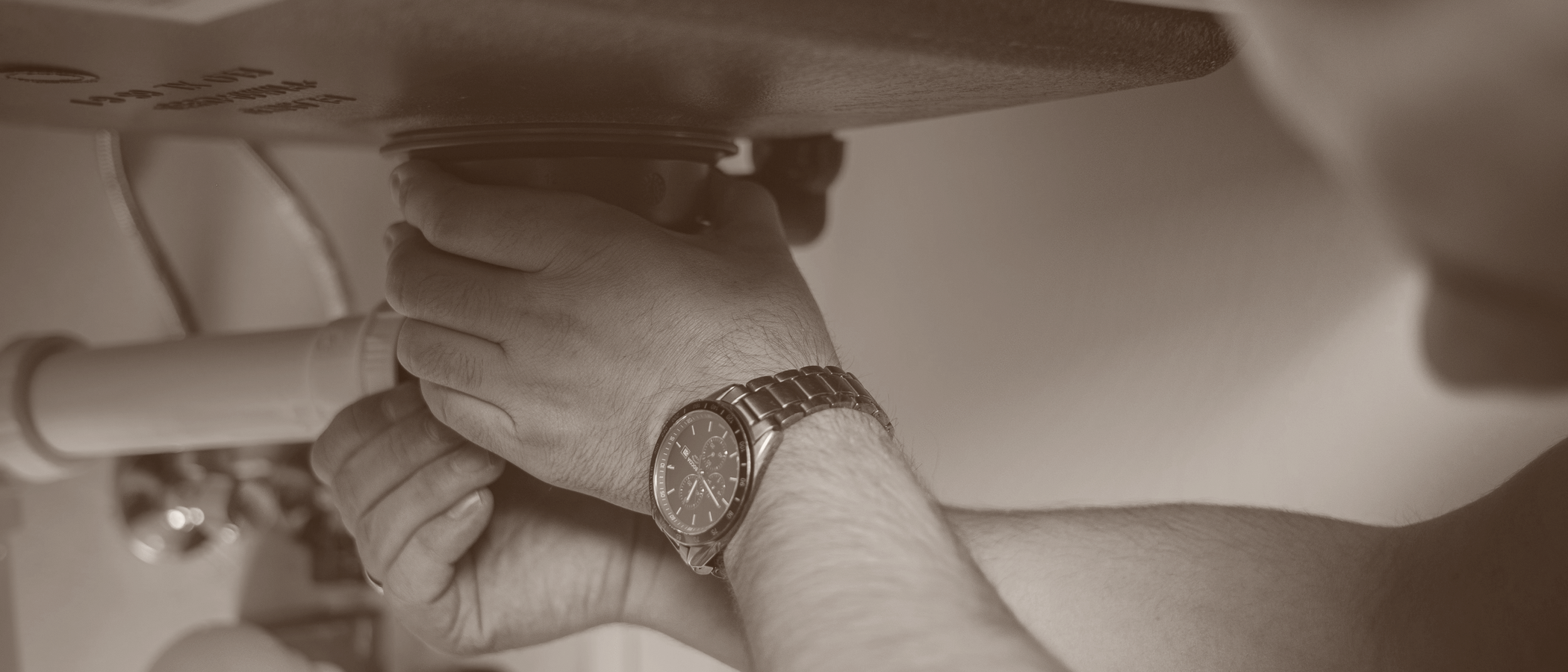
A standard install on an accessible main line usually takes a few hours. The plumber shuts off the water, cuts into the main, and installs a bypass valve so you can isolate the softener later without killing water to the house. They connect the resin and brine tanks, run the drain line, plug in the control head, and program the regeneration schedule to your hardness and household size.
Then comes the part people skip: startup. The system runs an initial regeneration, the plumber checks for leaks under pressure, and confirms the water tests soft at a tap. Ask them to walk you through adding salt and reading the control panel before they leave.
Questions to Ask Your Plumber
Bring this list. The answers tell you whether you are hiring someone who sizes for your house or sells you a box off the shelf.
- What is my water hardness in gpg, and did you test for iron and pH?
- What size and type of softener are you recommending, and how did you calculate it?
- Where will you install it, and does the layout require any rerouting?
- Is a bypass valve included so I can service the unit without shutting off the house?
- What is the warranty on the unit and on your labor?
- How much salt will this use, and how often will it regenerate?
- Do you handle the old-unit removal and haul-away?
- What does startup include, and will you test the water before you leave?
A plumber who answers these clearly is worth more than one who quotes fifty dollars less and shrugs at the details.
Questions the Plumber Will Ask You
Intake goes both ways. Expect to answer:
- Is your home on municipal water or a well?
- How many people live there, and how many bathrooms?
- Do you already have a water test, or should they run one?
- Where does the main line enter, and is there a drain and outlet nearby?
- What symptoms are you seeing: scale, dry skin, appliance trouble?
Have this ready and the first call moves faster. That first call matters more than most homeowners realize. When a plumbing shop misses the phone, the caller rarely leaves a voicemail. They dial the next name on the list, and the job walks. Across home services, unanswered calls are one of the quietest ways a business loses work it already earned.
FAQ
How long does a water softener installation take?
A straightforward install on an accessible main line runs a few hours. Add time if the plumber has to reroute pipe, add an iron filter, or work in a cramped space.
Do I need a plumber, or can I install it myself?
You can install one yourself if you are comfortable cutting into the main line, soldering or fitting connections, and running a drain to code. Many homeowners hand it to a plumber for the warranty, the leak testing, and the correct sizing. Some local codes also require a licensed plumber for main-line work.
How often does a water softener regenerate?
That depends on your hardness, household size, and the unit's capacity. A properly sized softener typically regenerates every two to four days rather than daily. Your plumber sets the schedule during startup.
Will a softener fix low water pressure?
If scale has already narrowed your pipes, a softener stops the buildup from getting worse but will not clear what is already there. Badly scaled pipes may need cleaning or replacement separately.
Is softened water safe to drink?
Softened water adds a small amount of sodium in exchange for the calcium and magnesium it removes. For most people this is fine. If you are on a sodium-restricted diet, ask about a potassium chloride option or a separate drinking-water tap on the hard line.
Before You Book
Get a real water test, know how many people the system serves, and confirm where your main line comes in. Walk into the quote with those three facts and the questions above, and you will spot the difference between a plumber who sizes for your home and one who is guessing.
For more homeowner guides on plumbing repairs and maintenance, see our plumbing resources. And if you run a plumbing shop that keeps missing the first call, an AI voice receptionist like Answara can pick up when your crew is under a sink, so the sizing questions above get asked while the caller is still on the line.