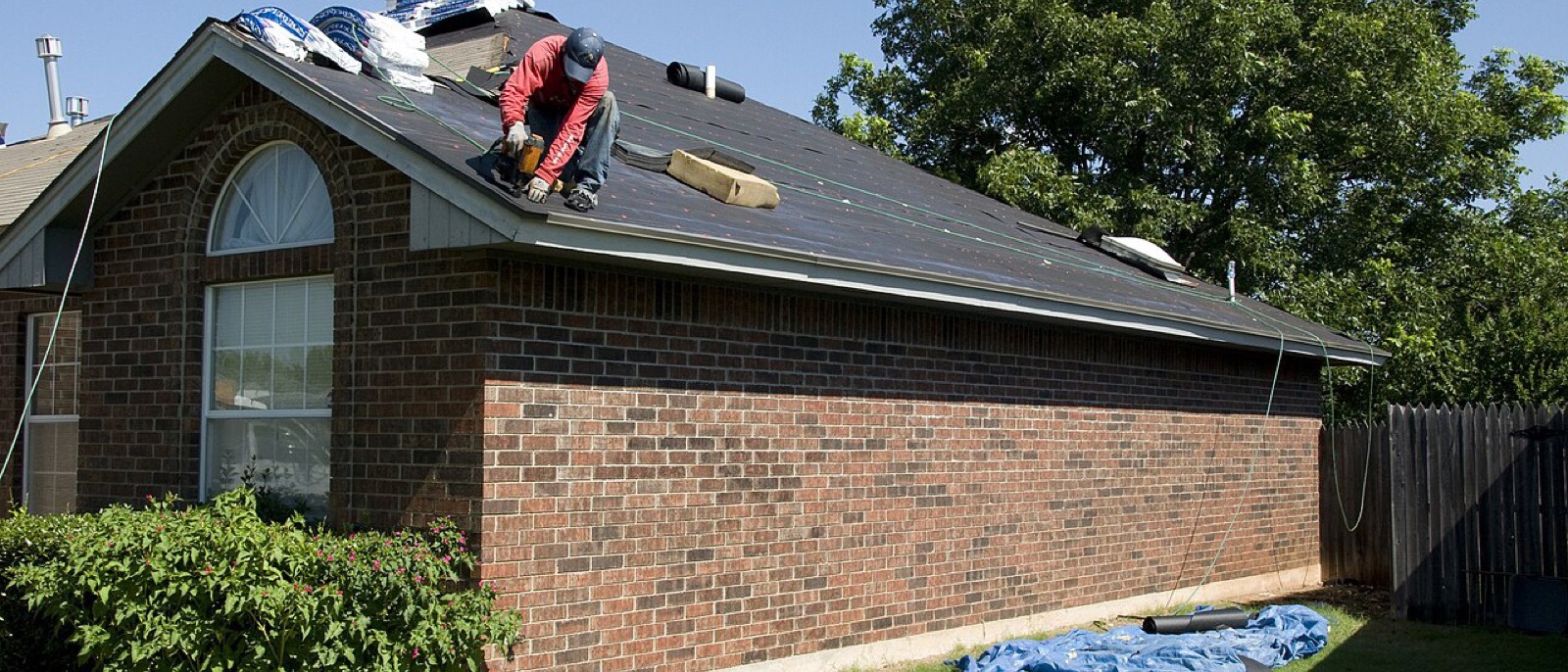
A hailstorm rolls through a county on a Tuesday afternoon. By dinner, half the homeowners on those streets are standing in their driveways looking at dented gutters and torn shingles, and a good number of them are already dialing roofers. Your phone starts ringing and does not really stop for two weeks.
That window is when a roofing company either books its season or watches the work drive past to a competitor. The demand is real and it is concentrated. The problem is that it arrives all at once, faster than a normal front-office setup can absorb.
This guide covers why storm season overwhelms the phones, why the first roofer to respond tends to win the job, and the practical ways companies keep up: temporary answering support, overflow lines, AI receptionists, and a triage system that sorts emergency tarps from routine inspections. There is a storm-readiness checklist at the end you can lift straight into your ops plan.
Why storm season breaks the phones
Roofing demand does not build gradually. It spikes. A single severe weather event can generate more inbound calls in 48 hours than a shop normally sees in a month, and every one of those callers has the same three questions: can you come look at it, when, and will insurance cover it.
Your crews are already out on tear-offs. Your office manager is fielding one call while three more roll to voicemail. And here is the part that stings: the homeowner who gets your voicemail does not wait. They hang up and call the next roofer on their list. In home services, callers work down the results page until someone picks up, so an unanswered call in a storm window is usually a job that went to whoever answered theirs. A leaking roof is not a problem people sit on.
Speed to lead is the whole game
Outside of storm season, a roofer can call a lead back in a few hours and still land the job. During a surge, that cushion disappears. The homeowner with water coming through the ceiling is contacting several companies in a row, and the one who answers or calls back first is usually the one who gets on the roof.
Speed to lead means the gap between a prospect reaching out and someone from your company actually responding. Shorter is better, and in a storm window the difference between one minute and one hour is the difference between an inspection on your calendar and a competitor's truck in that driveway.
The uncomfortable truth is that most roofing companies lose storm jobs on response time, not on price or quality. The best roofer in the county still loses the job if the call goes to voicemail on the day the homeowner is ready to book.
How roofers actually handle the surge
There is no single fix. Most companies that stay ahead of storm season stack a few of these.
Temporary answering support
Some shops bring in seasonal help or a call-answering service for the peak weeks. A live person answering means fewer calls hit voicemail, and a good service can take down the basics and pass them to your team. The tradeoff is cost per call and the ramp time it takes to train temporary staff on your process, which is real when the storm has already hit.
Overflow lines
An overflow line routes calls somewhere else once your main number is busy. Instead of a caller getting a busy signal or voicemail, the call rolls to a second team, a service, or an automated system that captures the details. This keeps the top of the funnel from leaking during the exact hours it is fullest.
AI receptionists that answer every call
An AI voice receptionist answers the phone on the first ring, every time, at 2 a.m. or during the noon rush when six calls come in at once. For a storm surge, the appeal is capacity: it does not get overwhelmed by volume and it does not go home at five.
A well-set-up AI receptionist can collect the fields a roofer needs to triage and schedule: the property address, the type of damage the homeowner is describing (hail, wind, a visible leak, missing shingles), whether they plan to file an insurance claim, and their contact details. It can book an inspection directly onto your calendar while the homeowner is still on the line. It is one option among several here, and it works best as a net under your live team rather than a replacement for it. When your people are on roofs, it keeps the phone from being the weak point.
A triage system for tarps versus inspections
Not every storm call is the same job. Some are emergencies: active leaks, a section of roof peeled back, water already inside the house. Those need a tarp or an emergency visit fast. Others are homeowners who want a damage assessment and an insurance conversation, which can be scheduled into the coming days.
Sorting the two at the moment of the call keeps your crews pointed at the right work. Whoever or whatever answers should be able to flag an active leak as urgent and route it differently from a routine inspection request. Without triage, an active leak sits in the same queue as a "can you come look sometime next week," and the emergency waits.
Storm-readiness checklist
Set this up before the season, not during the first storm:
- Know your answer plan for a volume spike. Decide now whether peak-week calls go to extra staff, an answering service, an overflow line, an AI receptionist, or a combination. Deciding mid-storm is too late.
- Write down the intake fields. Address, damage type, insurance intent, and contact info, captured the same way on every call so nothing gets lost in the rush.
- Define your triage rules. What counts as an emergency tarp versus a scheduled inspection, and where each one goes.
- Make sure the calendar is bookable in real time. Whoever answers should be able to place an inspection on the schedule without a callback loop.
- Test after-hours coverage. Storms do not respect business hours. Know what happens to a call that comes in at 11 p.m.
- Brief your crews on the surge plan. They should know how emergency calls will reach them when they are already on a job.
- Check your voicemail and hold-time experience. If calls will occasionally land in voicemail, the message should set a clear expectation and capture a callback number.
FAQ
How many calls can a roofing company expect after a major storm? It varies by the size of the event and how many homes it hit, but the pattern holds: a short, sharp spike well above normal volume that tapers over a couple of weeks. Plan for the peak, not the average.
Is an AI receptionist a good fit for a small roofing shop? It can be, especially for shops without a full-time front office or with crews who are on roofs most of the day. It answers every call and captures the details, which is where small teams tend to leak jobs during a surge. It is one option to weigh against answering services and seasonal staff.
What information should we collect on a storm call? At minimum: the property address, the type of damage, whether the homeowner intends to file an insurance claim, and their contact details. That is enough to triage the call and book the right kind of visit.
Why does response speed matter so much during storm season? Because storm-damaged homeowners call several roofers in a row. The one who responds first is usually the one who books the inspection, so a slow callback often means the job is already gone.