You notice a faint brown ring on the ceiling of the guest room. Maybe it showed up after last week's rain, maybe it has been there a while. You climb the ladder, glance at the shingles from the gutter line, and everything looks fine from where you stand. So you close the ladder and tell yourself you will deal with it later.
That moment is where most roofing decisions get made, and it is usually the wrong place to make them. From the ground, a roof that needs a small repair and a roof that needs nothing look identical. The difference lives in the parts you cannot see: the flashing around the chimney, the underlayment, the nails that have started to back out over ten summers of heat.
The question is not whether to call a roofer. It is what to call one for. An inspection and a repair are two different appointments with two different levels of urgency, and knowing which one you need saves you a wasted visit or a leak that spreads while you wait.
This guide covers what a roof inspection actually includes, the signs that tell you it is a repair and not just a checkup, the seasonal warning signs worth watching, and what happens when you make that first call to a contractor.
What a Roof Inspection Actually Covers
An inspection is a planned look at a roof that is not obviously failing. Think of it as the roofing version of a dental cleaning. Nothing hurts yet, and the point is to find small problems before they become expensive ones.
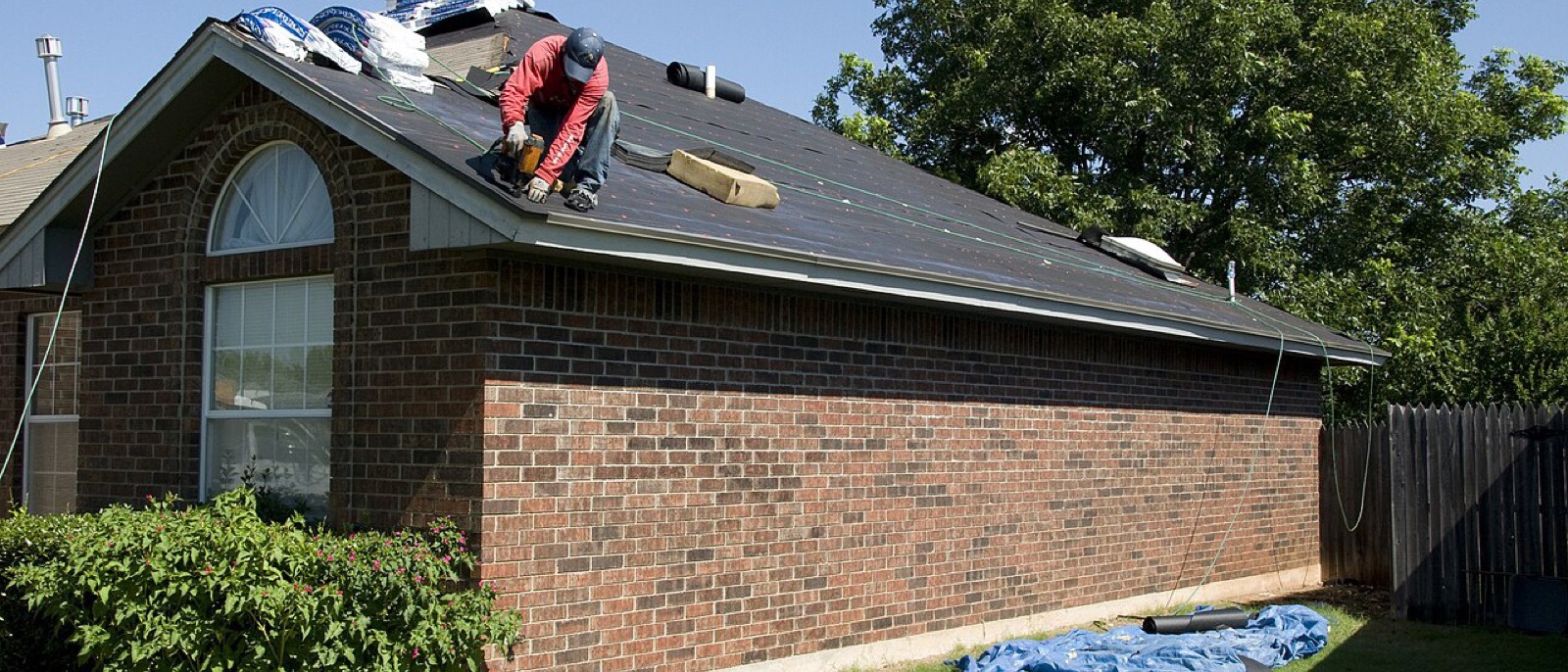
A thorough inspector goes past a quick look from the driveway. They get on the roof or use a drone to check the field of shingles for curling, cracking, and granule loss. They examine the flashing around chimneys, vents, and skylights, since those seams are where most leaks begin. Many will also go into the attic, because water stains on the underside of the decking tell a story the outside surface hides.
You would schedule an inspection after buying a home, before selling one, once a roof passes the ten year mark, or after a storm that did not cause obvious damage but might have loosened things. The result is usually a written report with photos and a simple verdict: the roof is fine, it needs a specific repair, or it is near the end of its life and worth planning to replace.
Signs It Is a Repair, Not an Inspection
Some situations skip the checkup stage. If any of the following is true, you are past inspecting and into fixing.
- Water is actively coming inside during rain, or a ceiling stain is growing.
- You can see daylight through the roof boards from inside the attic.
- Shingles are missing, cracked, or scattered across the yard after wind.
- The flashing around a chimney or vent is visibly lifted, rusted, or gone.
- A section of the roof looks like it is sagging or dipping.
- Granules are collecting in the gutters in large amounts, which means shingles are wearing out.
When you see these, the useful call is not "can you come look at my roof sometime." It is "I have an active leak and I need someone out." The distinction changes how a contractor schedules you. A repair with water coming in is an urgent job, while a general inspection can wait a couple of weeks.
Seasonal Warning Signs Worth Watching
Roofs fail on a schedule that follows the weather, and each season leaves its own fingerprints.
Winter brings ice dams, where snow melts, runs to the cold edge of the roof, and refreezes into a ridge that pushes water back under the shingles. Thick icicles along the gutter line or interior wall stains after a freeze are a signal.
Spring rain reveals every weak seam from the winter, when slow leaks that stayed hidden under snow finally show up on your ceiling. It is also the best window for an inspection, since damage from the cold months is fresh and easy to trace.
Summer heat bakes shingles and makes them brittle. Repeated cycles of hot days and cooler nights loosen nails and dry out sealant, which is why an old roof often gives out in July for no dramatic reason.
Storm season is its own category. High wind and hail can strip or bruise shingles in minutes, and the damage is often invisible from the ground. After a major storm, a lot of homeowners call at once, and that surge overwhelms many contractors for days. During a storm surge, the homeowner usually books whoever answers the phone first, so calling early matters as much as calling at all. Some roofers use answering services or AI receptionists so a real conversation happens even when every line is ringing.
What to Expect on the First Call
A good first call is short and specific. The contractor or whoever answers will want to know a few things: your address, the age of the roof if you know it, what you are seeing, and whether water is currently coming in. Have a rough answer ready for each.
If it is an emergency with active water, expect them to talk you through a temporary step, like placing a bucket or moving furniture, and to give you a window for someone to come out. If it is not urgent, expect to schedule an inspection at a normal pace, sometimes within a week, sometimes longer during busy stretches.
Ask two questions on that first call: is the inspection free or paid, and do they put their findings in writing. Reputable roofers answer both without hesitation. You are not committing to work by scheduling a look.
The homeowners who avoid the biggest bills are the ones who call while the problem is still a stain and not a collapse. A roof rarely fails all at once. It sends signals for months, and the first honest look is what turns a guess into a plan.
FAQ
How often should I have my roof inspected? Once a year is a reasonable default for a roof over ten years old, plus a check after any major storm. Newer roofs can go longer unless something looks off.
Is a roof inspection usually free? It depends on the contractor. Many offer free inspections, especially after storms, while others charge a flat fee they may credit toward repair work. Ask before scheduling.
Can I inspect my own roof? You can spot obvious signs from the ground or the attic, like missing shingles or ceiling stains. Walking on a roof is a fall risk, and the parts that matter most are hard to read without training. Use a self check to decide whether to call, not as a replacement for one.
How fast can a roofer come out for a leak? For an active leak, many roofers try to respond within a day or two. During storm season that window stretches as call volume spikes, which is why reaching someone early gives you a better spot in line.