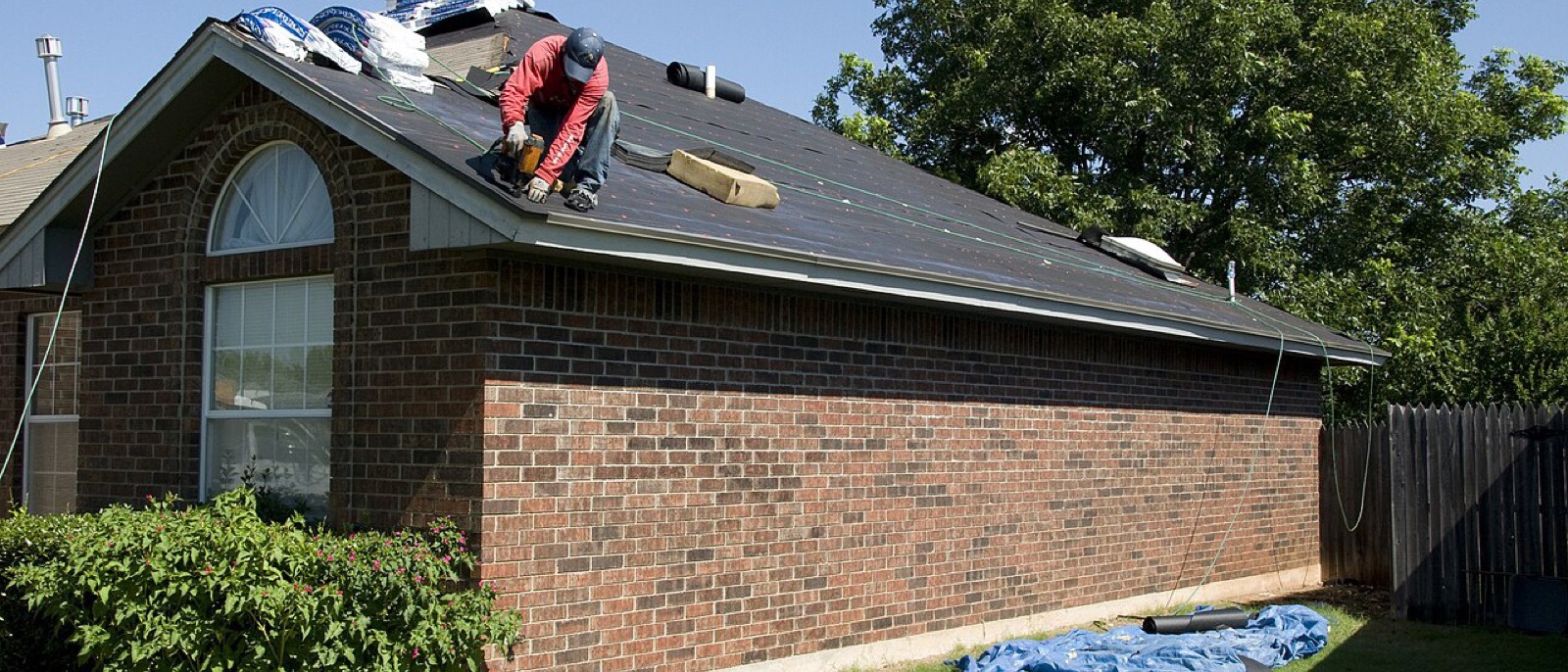
A hailstorm rolls through on a Tuesday afternoon. By dinner, a homeowner with a dented roof and a nervous spouse is scrolling through contractors, phone in hand. She calls the first name on the list. It rings out. She calls the second. Voicemail. The third picks up on the second ring, and by the time the first two contractors check their messages the next morning, the inspection is already booked with someone else.
That is the reality of roofing demand. It arrives in bursts, it arrives anxious, and it rarely waits. The contractor who reaches a homeowner first is usually the one standing on the roof a week later. Response time is not a customer-service nicety in this trade. It is the front edge of your entire sales process.
Roofing Demand Is Spiky by Nature
Most home-services work trickles in at a steady pace. Roofing does the opposite. A single storm can turn a quiet week into a flood of calls, and every one of those callers is dialing the same short list of local contractors at roughly the same time.
That concentration changes the math on a missed call. During a slow stretch, a call you catch tomorrow might still convert. In the 48 hours after hail or high wind, a homeowner who reaches your voicemail has four other numbers to try before you ever call back. The window is short and crowded, and it closes fast.
The competitor set is bigger than you think
After a big weather event, out-of-town crews and storm chasers descend on the area alongside your regular local competition. The homeowner cannot tell the difference between a fly-by-night operation and a reputable local shop from a phone directory. What they can tell is who answered. Picking up the phone becomes your first and cheapest trust signal, before you have said a word about warranties or references.
Speed to Lead, in Plain Terms
Speed to lead is the gap between the moment someone reaches out and the moment a real human (or a system acting like one) responds. The general pattern across sales is consistent: the faster you engage, the better your odds, and the drop-off after the first several minutes is steep.
For roofing, the effect is sharper because of the emotional state of the caller. A leaking roof or visible storm damage triggers urgency. The homeowner wants reassurance now, not a callback slot sometime tomorrow. Reaching them while that urgency is fresh means you are talking to someone ready to schedule, not someone who has cooled off and started second-guessing whether they even need the work.
A few things happen when you respond fast:
- The homeowner stops calling other contractors, because their problem feels handled.
- You get first crack at the inspection, which is where most roofing sales are actually won.
- You capture the details (address, damage type, insurance situation) while the caller is motivated to share them.
Miss that window and lateness is the smaller problem. You are often calling a homeowner who has already committed elsewhere and now finds your call mildly annoying.
Where Roofing Leads Leak Out
Knowing speed matters is easy. The hard part is that the moments demand spikes are exactly the moments a roofing crew is least able to answer the phone.
You are on a roof, not at a desk
The job that makes you money also keeps you from picking up. Crews are on ladders, in attics, or driving between sites with the radio up. The phone rings in a truck cab and nobody hears it. Every hour of good working weather after a storm is an hour your team is heads-down on billable work and away from the inbound line.
After-hours and weekend calls
Storms do not respect business hours. A Saturday-night wind event generates Sunday-morning calls, and a homeowner who gets your closed-office voicemail on Sunday has all day to find someone open. The calls you never hear are invisible in your day-to-day, which is what makes them dangerous. You cannot follow up on a lead you did not know existed.
The voicemail dead zone
Plenty of homeowners simply will not leave a voicemail. They hang up and dial the next number. So the missed call does not even leave a trace. Your phone log shows a blank, your pipeline shows nothing, and a job you could have won never registers as lost.
Practical Ways to Tighten Response Time
You do not need to rebuild your business to answer faster. A handful of changes move the needle.
Set a clear internal standard for callback speed and hold the team to it, especially during storm season. Decide who owns the phone when the crew is in the field, whether that is an office manager, an answering service, or an automated system. Batch your callback attempts early in the day and again at lunch rather than hoping to catch calls live between jobs.
Build a simple intake script so whoever answers captures the same details every time: property address, what the homeowner is seeing, whether an insurance claim is involved, and the best time for an inspection. Consistent intake means a lead handed to your estimator is ready to act on, not a name and a half-remembered conversation.
The deeper fix is making sure every call gets answered in the first place, at 9 a.m. on a slow Wednesday and at 11 p.m. after a supercell. That is a coverage problem, and coverage is hard to solve with human staffing alone when demand is this unpredictable.
Cover Every Call With Answara
Answara is an AI voice receptionist built for home-services businesses like roofing shops. It answers every inbound call around the clock, with a natural voice that does not sound like a phone tree, so the homeowner who calls at midnight after a storm reaches something instead of dead air. It gathers the details that matter (address, the damage they are describing, whether insurance is in play) and helps get the caller booked for an inspection while their urgency is still fresh, then hands you a clean record of who called and what they need. When your crew is on a roof and the phone will not stop ringing, Answara keeps that first-to-answer edge working for you. Plans start at $99 a month.