A roofing estimate is a promise on paper. It tells you what a contractor plans to do to your house, what materials they will use, and what you will pay when the last shingle goes on. The trouble is that two quotes for the same roof can look wildly different, and the cheaper one is often cheaper because it left something out. Learning to read an estimate line by line is the best protection a homeowner has.
Here is what a fair, complete quote should spell out, and why each piece matters.
Scope: what work is actually being done
The first thing to check is scope. A good estimate names the roof it is pricing. It states the approximate square footage or the number of "squares" (roofers measure in 100-square-foot units), the pitch, and the number of stories. If your roof has valleys, dormers, skylights, or chimneys, those should appear somewhere, because each one adds labor and detail work.
Vague scope is a warning sign. "Replace roof" is not a scope. You want to see the layers being removed, the materials going on, and the areas being touched. When the scope is thin, the door is open for change orders later, and change orders are where a friendly price turns into a surprise.
Tear-off vs. overlay
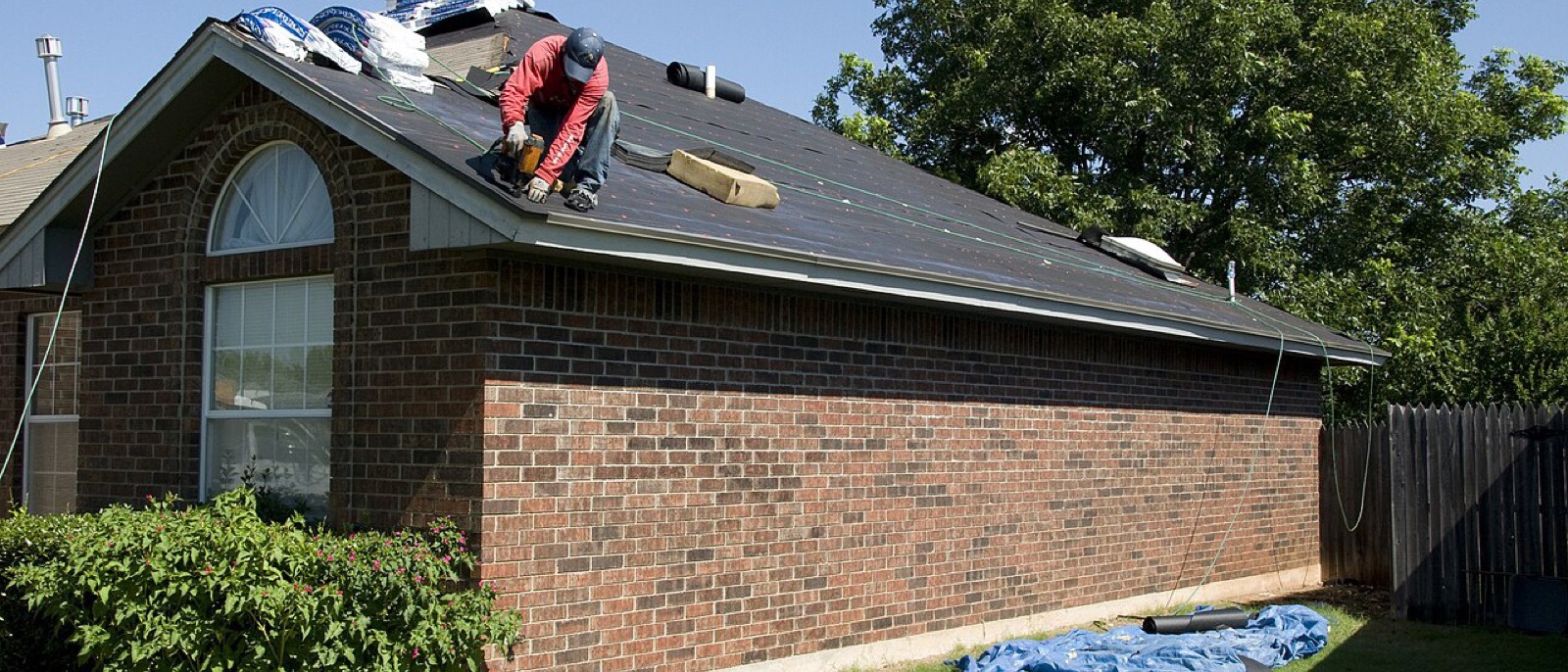
This single line can change the whole character of a job. An overlay means the new shingles go directly on top of the old ones. A tear-off means the old roofing comes off down to the deck before anything new goes on.
Overlays are faster and cost less because there is no disposal and less labor. They also hide what is underneath. If the deck below is soft, rotted, or holding moisture, an overlay traps the problem and adds weight on top of it. Many building codes limit a roof to two layers total, so an overlay can also use up your last legal layer and force a full tear-off next time.
A tear-off costs more up front and it is the only way to see the deck. A fair estimate says which approach it is pricing. If it says tear-off, it should also say what happens if rotted decking turns up: a per-sheet price for replacing plywood is standard, and seeing that number in writing means you will not be arguing about it from a ladder.
Underlayment, flashing, and ventilation
These are the parts homeowners rarely ask about and roofers quietly cut to win on price.
Underlayment is the layer between the deck and the shingles. The estimate should name the type, whether synthetic or felt, and it should call out ice-and-water shield in the places that need it, such as eaves, valleys, and around penetrations. In cold climates this barrier is what defends against ice dams backing water up under the shingles.
Flashing is the metal that seals the transitions: around the chimney, along walls, in the valleys, and at vent pipes. Old flashing can look fine and still fail. A quality quote states whether flashing is being reused or replaced. Reusing a rusted chimney flashing to save money is a leak waiting for the next hard rain.
Ventilation keeps the attic from cooking the roof from below and shortening the life of the shingles. The estimate should mention ridge vents, soffit intake, or whatever the design calls for. If ventilation is missing from the quote entirely, ask why.
Warranty terms and cleanup
Two warranties live inside a roofing job, and they are not the same thing. The manufacturer warranty covers the shingles themselves, and its terms often depend on the roof being installed exactly to spec with matching accessories. The workmanship warranty comes from the contractor and covers their labor. Ask how long each lasts and what voids them. A shingle warranty means little if the crew that installed it is gone in a year and the labor coverage was ninety days.
Cleanup belongs in writing too. Tear-offs produce a startling amount of debris and a scatter of nails across the yard. A fair estimate says the crew will haul away old material, run a magnetic sweep for nails, and protect landscaping and gutters during the work. "We clean up after ourselves" is not a term. A dumpster, a tarp plan, and a magnet sweep are terms.
Comparing quotes and the roofer who calls back
Once you have two or three complete estimates, compare them line by line rather than bottom line by bottom line. If one quote is far lower, find the line the others have that it does not. Usually it is tear-off downgraded to overlay, reused flashing, or thinner underlayment.
There is a practical wrinkle to all of this. Roofing work tends to arrive in a hurry, after a storm or a ceiling stain, and the homeowner books whoever calls back first. A great roofer who returns the message on Thursday often loses to a decent one who answered on Monday. Contractors miss those windows constantly, because they are on a roof, under a truck, or asleep after a fourteen-hour day, and every missed estimate-request call is a job that quietly went to someone else. This is one reason more roofers keep their phone answered around the clock, whether by an office, an answering service, or an AI receptionist like Answara that picks up 24/7 and books the estimate while the homeowner is still motivated. What matters is simple: the call gets answered before the homeowner moves on.
FAQ
How long should a roofing estimate be valid? Material prices move, so most estimates hold for a set window, often around 30 days. The quote should state its own expiration. If it does not, ask, and get the answer in writing so a delay on their end does not become a higher price on yours.
Is the lowest roofing quote a bad sign? Not automatically, but it deserves scrutiny. Compare the low quote against the others line by line. If it is cheaper because it skipped tear-off, reused flashing, or dropped ice-and-water shield, you are not comparing the same job.
Should I pay a large deposit before work starts? A modest deposit to schedule and order materials is normal. A demand for most of the total before anyone climbs on the roof is a reason to pause. Tie payments to milestones, and hold a final portion until cleanup and your walkthrough are done.
What if the roofer finds rotted decking mid-job? This is common and not a scam by itself, but the price for replacing decking should be agreed on before the work starts. A fair estimate lists a per-sheet cost for plywood so a mid-job discovery does not become an open-ended bill.