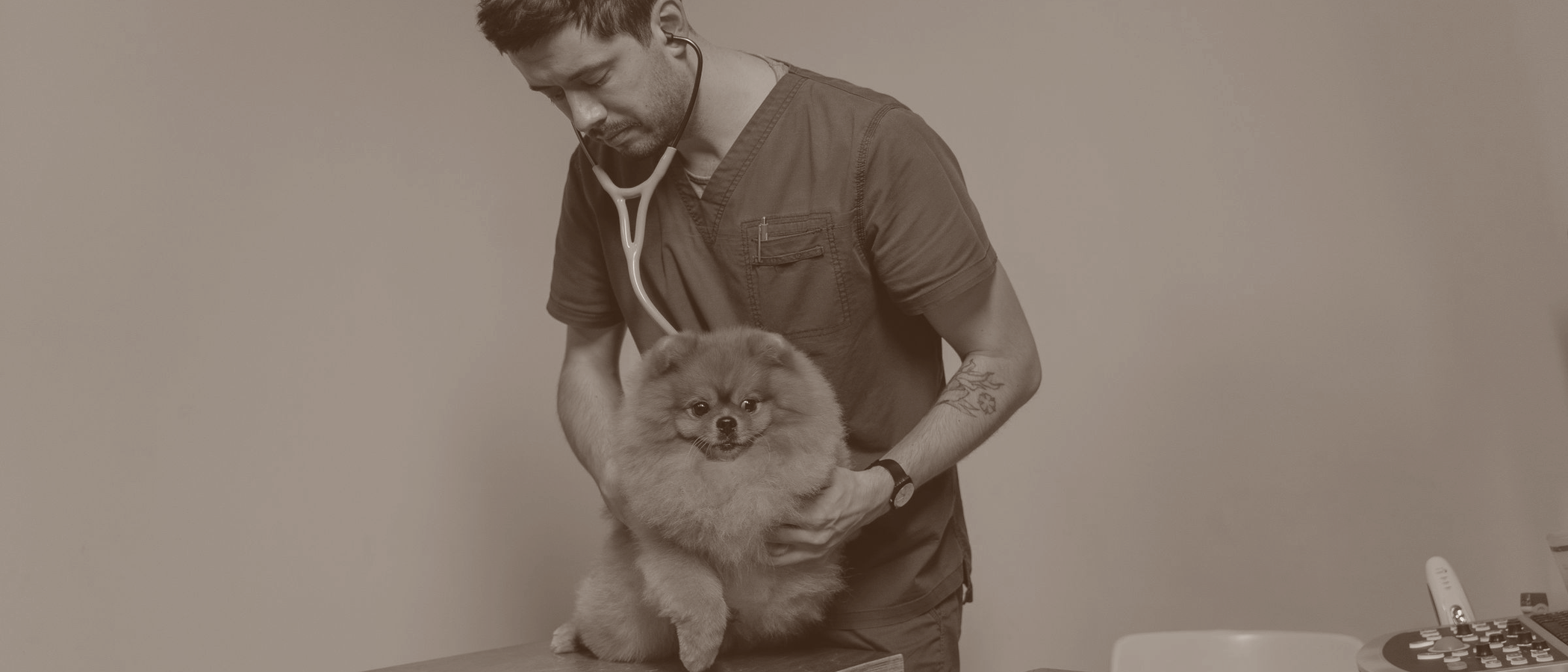
Saturday at 10 a.m. is a strange kind of quiet in a lot of animal hospitals. The lobby is busy, two doctors are booked solid, and the front desk is running one person short. Then the phone starts. A dog ate something off the counter. A cat has not urinated since Thursday. A senior lab is breathing hard. Each of those calls needs a human voice, and the human who would normally pick up is already holding a leash and a clipboard.
So the call rolls to voicemail. And here is the part that stings: the owner on the other end is often a bonded client, someone who has trusted your clinic for years. When they hit voicemail with a scared animal in front of them, they do not wait around. They call the emergency hospital across town, or they Google the next clinic that answers. An unanswered weekend call sends that client somewhere else, and sometimes they do not come back.
Weekend coverage is not a nice-to-have. It is the difference between a Monday schedule that is full and one that is pocked with the appointments you never got to book.
Why weekends break the phone
Weekday call volume is spread across a full team. Weekends compress the same demand into fewer people and shorter hours. Two things happen at once.
First, the emotional temperature of the calls goes up. People who put off a worry all week finally act on Saturday morning. The calls that come in are more likely to be urgent, more likely to be frightened, and more likely to need a real conversation instead of a quick scheduling touch.
Second, the staff available to take them shrinks. A single receptionist covering a packed lobby cannot also field a ringing phone every ninety seconds. Something gives, and it is almost always the phone.
The result is a coverage gap that lands precisely when your clients feel most vulnerable. That is the worst possible moment to be unreachable.
The coverage options
There is no single right answer here. Most clinics land on some blend of the three approaches below, and the right mix depends on your caseload, your budget, and how your doctors feel about being on call.
In-house rotation
The traditional approach is to put staff on a weekend rotation, either on-site or forwarding the line to a team member's cell. The upside is obvious. The person answering knows your protocols, your doctors, and your regulars by name. A worried client hears a familiar voice.
The cost is on your people. Rotations burn out technicians and front-desk staff fast, especially when weekend calls interrupt personal time. And a single person on rotation can still only handle one call at a time. When three come in during a busy Saturday, two of them wait, and waiting callers hang up.
Traditional answering service
An outside answering service picks up when your team cannot. A live operator takes a message, follows a basic script, and passes information along. This buys you coverage without pulling your own staff onto call.
The tradeoff is fit. Generic services often do not know veterinary urgency from a routine question. A message that says "caller's dog seems sick, please call back Monday" is worse than useless when the dog needed an ER two hours ago. If you go this route, the script and the escalation rules have to be tight and specific to your practice.
AI voice answering
An AI receptionist answers every call on the first ring, at any hour, without a rotation to staff. It can handle several calls at the same moment, capture the caller's details, and route each one according to rules you set in advance. For a clinic drowning in Saturday volume, the appeal is that no call sits in a queue and no call drops to voicemail.
The important boundary, and it is a hard one, is what the tool does and does not do. A well-built AI receptionist captures the call and routes it. It gathers the pet's symptoms, the owner's contact information, and the nature of the request, then directs the call based on your protocols. Answara's veterinary answering is built to do exactly that: answer, capture, and route, so a live emergency reaches a person fast and a routine request lands in Monday's schedule.
What it must never do is practice medicine. More on that next, because it is the whole game.
Triage protocols and safe escalation
Here is the line that cannot be crossed. An answering solution, human or AI, should never diagnose a patient or give medical advice over the phone. It does not tell an owner their dog will be fine until Monday. It does not tell them to induce vomiting. It does not decide clinically whether a symptom is an emergency. Those are veterinary judgments, and they belong to a veterinarian.
What a good system does instead is recognize urgency signals you have defined and route accordingly. You build the rules. For example:
- A caller mentions trouble breathing, collapse, bloat, seizures, suspected poisoning, or trauma. The system flags the call as time-sensitive and immediately provides your designated emergency or ER referral pathway, or connects to your on-call line if you have one.
- A caller has a routine question, a refill, or a non-urgent concern. The system captures the details and books or messages for the next business day.
- A caller is unsure. The system errs toward the faster escalation path rather than the slower one.
The AI is following a decision tree you wrote, not forming a medical opinion. When something reads as a genuine emergency, the job is to get that owner to a veterinarian or an ER vet quickly and to make sure nothing gets lost in a voicemail box. Speed and accurate routing are the value. Diagnosis is off the table by design.
This is also where a clear escalation script protects you legally and ethically. Write down, in plain language, which symptoms trigger the emergency pathway and what the caller hears when they do. Review it with your medical team. Then make sure whatever answers your phone follows it exactly, every time, without improvising.
Keeping Monday full
Weekend coverage pays off two days later. Every routine call that gets captured on Saturday instead of lost to voicemail is an appointment your team can confirm Monday morning. The dental follow-up, the vaccine booster, the recheck someone meant to schedule all week: those slots fill because the request was caught when the client made it, not left to evaporate over the weekend.
There is a retention effect too. A client who reaches your clinic on a Saturday, even after hours, learns that you are reachable when it counts. That is the experience that keeps a bonded relationship intact instead of handing it to the ER hospital that happened to pick up. You can see how capture and routing work in practice on our AI call handling page.
The clinics that handle weekends well are not the ones with the biggest weekend crews. They are the ones that decided no call goes unanswered, picked a coverage model that fits their caseload, and wrote escalation rules their whole team trusts. Start there. Map your current weekend gap, define your emergency triggers with your veterinarians, and choose the coverage that makes sure a frightened owner always hears a response on the first ring.