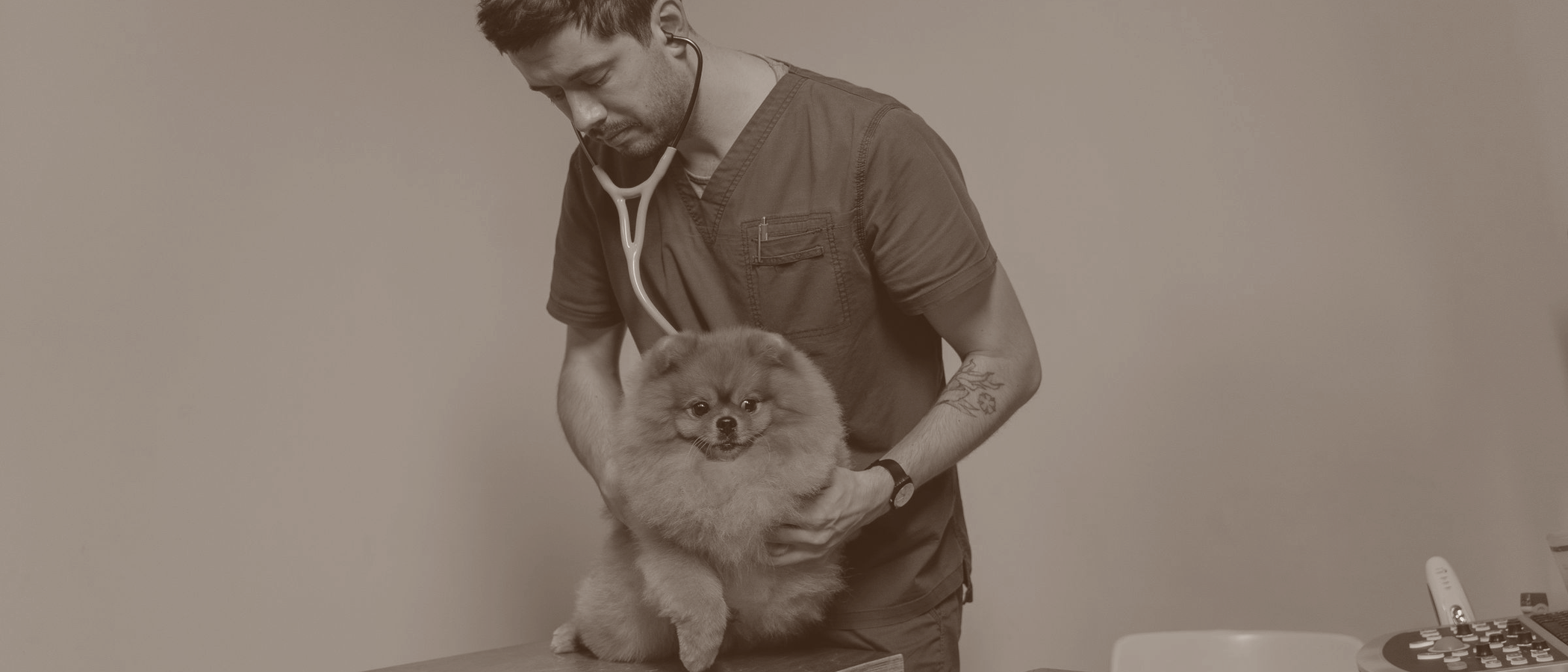
Veterinary Clinic Holiday Hours: A Call Overflow Plan
It is 7:40 a.m. on Thanksgiving. A dog named Rufus ate something off the counter, and his owner is standing in her kitchen with the phone pressed to her ear, listening to your clinic's voicemail greeting loop for the third time. She does not know if this is an emergency. She does not know where the nearest emergency vet is. She just knows your recording said "closed for the holiday, please call back during business hours," and that was the end of the road. So she hangs up and starts googling, and now her next call goes to whoever ranks first in the map results.
That moment repeats itself across thousands of clinics on every holiday and long weekend. The call volume does not disappear because the lights are off. It shifts to hours when nobody is there to answer it, and the pet owners on the other end are often more anxious than the ones who call on a normal Tuesday.
Why closures create a call surge, not a call pause
Pets do not check the calendar. Fireworks on the Fourth of July, rich table scraps at Christmas, antifreeze in the garage during a cold snap: holidays come bundled with their own predictable hazards. Owners who would normally wait until morning feel the pressure to act now, and the first thing they reach for is the phone number they already have saved, which is yours.
Here is the pattern the industry keeps running into. When a worried owner hits a dead-end voicemail, they rarely leave a message and wait. They move on. Some of those calls were genuine emergencies that needed an ER referral fast. Some were routine questions that could have become a booked appointment the following week. Either way, the relationship takes a small hit, because the client remembers that your clinic was silent when they were scared. Missed calls during closures are one of the quieter ways veterinary practices lose ground: no dramatic failure, just a slow leak of trust and follow-up visits that never get scheduled.
You cannot staff a full front desk on Christmas morning, and you should not have to. What you can do is build a plan so the phone still does something useful when the door is locked.
Communicate holiday hours before the holiday
Most overflow starts with owners who did not know you were closed. Fix that early.
- Update your Google Business Profile with special hours at least two weeks out. This is the change that matters most, because it is what shows in search and Maps when someone looks you up in a panic.
- Change your phone greeting to name the specific dates you are closed and the exact date you reopen. "Closed for the holiday" tells a scared owner nothing. "Closed Thursday November 27, reopening Friday November 28 at 8 a.m." tells them what to do next.
- Post the closure on your website homepage and your social channels, and pin it.
- Send a short note to active clients the week before, especially anyone with a pet on medication who might run out over a long weekend.
The goal is that by the time Rufus gets into the trash, his owner already knows you are closed and already knows where to turn.
Triage: separate the true emergency from the routine question
Not every holiday call is a crisis, and treating them all the same wastes the caller's time and yours. A workable triage flow sorts callers into a few buckets:
True medical emergency. Trouble breathing, seizures, suspected poisoning, bloat, heavy bleeding, trauma, inability to urinate. These callers need to be pointed to an emergency hospital immediately, with a name and a phone number, not asked to hold or leave a message.
Urgent but stable. Vomiting once, limping, an eye that looks off, a small cut. These owners often just need reassurance about whether to wait or go in, plus a clear path to book with you the moment you reopen.
Routine. Prescription refills, boarding questions, "when are you open again," appointment requests. None of this needs a person at 3 a.m., but it should be captured so it is waiting for your team on the first morning back.
Write this triage logic down before the holiday. Whoever or whatever answers the overflow should be working from the same script, so a poisoning call never gets treated like a refill request.
Make the emergency referral message specific
The most important sentence you can prepare is your emergency handoff. Vague referrals fail people. Pick your primary and backup emergency hospitals, confirm their holiday hours (many ER vets have their own quirks), and write the referral so it can be read aloud without hesitation:
"If this is an emergency, please go to the nearest 24-hour emergency veterinary hospital. Call before leaving so the hospital knows you are coming." Add the actual hospital name, address, phone number, and directions in the clinic's live phone system. An owner in distress should not have to interpret anything.
Plan for the staffing gaps you already know about
Every clinic has thin coverage windows: the day before a holiday when half the team is traveling, the odd Sunday, the stretch between Christmas and New Year's. These are predictable, which means they are plannable.
Map your closures and skeleton-crew days for the whole year in one sitting. For each, decide who owns the phone, what happens after hours, and what the greeting says. Rotate on-call fairly so the same two people are not absorbing every holiday. Then look honestly at the hours nobody is realistically going to cover, because those are the gaps where overflow turns into missed calls. A physical answering service can fill some of it, though many read from a generic card and cannot book into your calendar or speak to your specific referral partners.
Where a 24/7 answering layer fits
This is the case for an always-on receptionist that does not sleep through the holiday. An AI voice receptionist can pick up on the first ring at 2 a.m. on New Year's Day, state your real hours, run the triage script you wrote, read your exact emergency referral, and book routine callers into your calendar so the appointments are there when you walk in. It handles the surge without asking your team to give up their holiday, and every caller hears a calm, consistent answer instead of a voicemail wall.
One line matters here, and it is a responsibility line. A true medical emergency belongs with an emergency veterinarian, full stop. An AI receptionist directs and books. It does not diagnose, and it does not give medical advice. Its job on a holiday is to answer the phone, tell the frightened owner exactly where the nearest ER vet is, and make sure the routine callers are captured instead of lost.
If your clinic is rethinking how the phone behaves when the lights are off, an AI receptionist built for veterinary practices can hold the line through closures, sort the urgent from the routine, and keep Rufus's owner from ever hearing that dead-end beep. The holidays will keep coming. The plan is what decides whether the calls reach you.