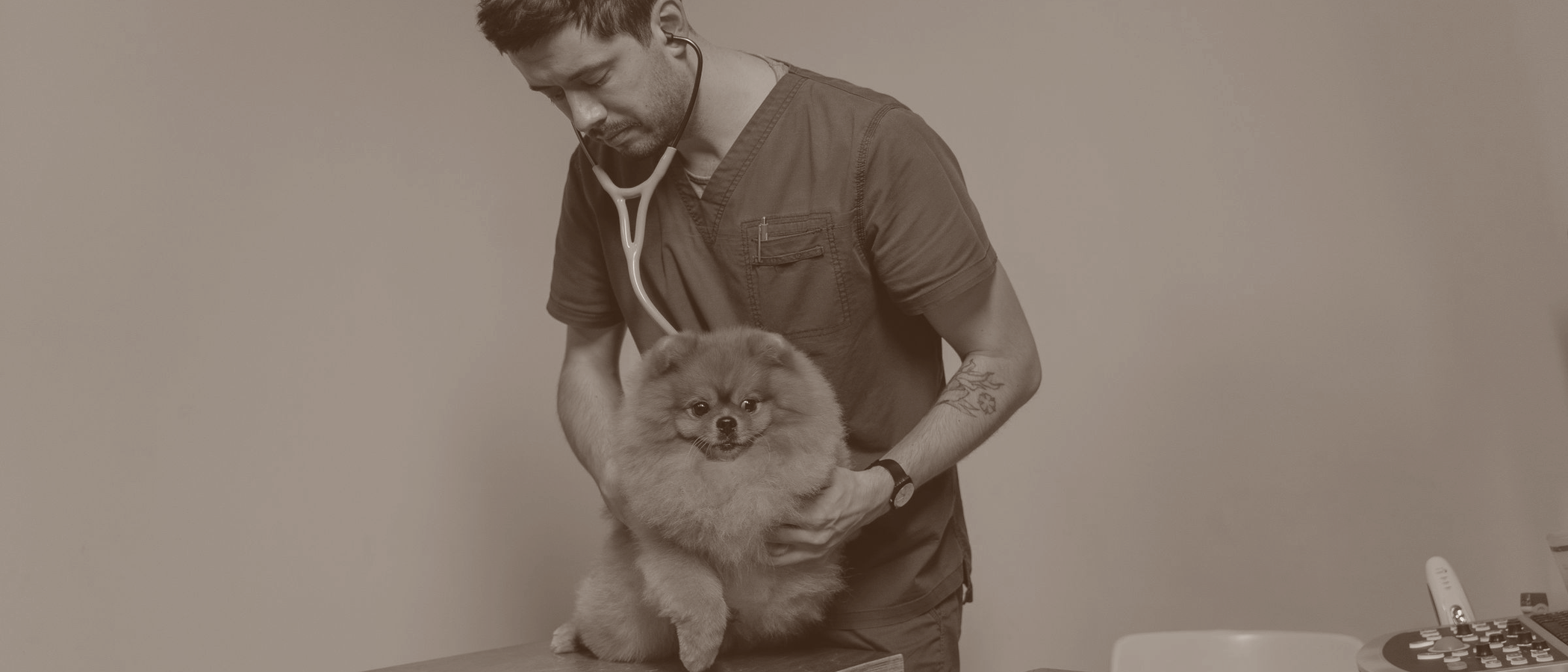
At 12:05 the lobby empties out, one CSR stays back to eat at the desk, and the phone starts going. That is not a coincidence. The people who could not call at 9am because they were on a standup call are now on their own lunch break, phone in hand, trying to sort out the dog who has been off his food since Sunday. Your busiest inbound window and your thinnest staffing window are the same window.
Most clinics know this in their gut and treat it as unavoidable. It usually shows up as a voicemail box that has eleven messages by 1pm, a callback list that gets worked in the gaps between afternoon appointments, and a handful of owners who never called back because they already booked with the clinic two miles away that picked up.
What actually lands between noon and 2
The midday call mix is different from the morning mix. Mornings are dominated by that day's logistics: drop-off confirmations, running-late calls, results. Lunch skews toward decisions. Three categories eat most of the volume.
Triage-adjacent calls from people who are not sure they need you. "She's been throwing up twice since last night, does that need a visit?" The owner is not asking for medical advice so much as permission to stop worrying, or a push to come in. These are the calls with real clinical stakes, and they are exactly the ones a voicemail box handles worst. A pet owner who leaves a message about vomiting and hears nothing for ninety minutes will either call an emergency hospital or decide to wait it out. Both outcomes are bad for the animal and bad for you.
Prescription refill requests. Heartworm prevention, thyroid meds, the chronic allergy dog on Apoquel. These are pure administrative volume with almost no judgment involved at the front desk, and they are the single easiest thing to move off the phone entirely. They still eat the phone, because the owner does not know there is another way to ask.
Booking overflow. Wellness visits, vaccine boosters, the annual that got pushed twice. Low urgency, easy to schedule, and completely elastic: if you do not pick up, that owner tries again in a week, or does not.
Missed calls are a known leak in this industry, and the lunch block is where the leak is widest. Nobody needs a statistic to see it. Pull your own call log for last month and filter to 11:45 through 2:15. The abandoned-call count will tell you the story.
Write the triage rules down before you automate anything
The instinct when you look at midday volume is to buy coverage. Do the harder thing first: decide, on paper, what a non-DVM is allowed to say when the vet is eating lunch in the back.
Most clinics already have an informal version of this living in one senior CSR's head. Get it out of her head. A workable midday triage sheet answers a small set of questions:
- Which presenting signs go straight to "come in now, we will make room" with no callback loop. Difficulty breathing, suspected bloat, urinary blockage in a male cat, seizure, hit by car, ingestion of a known toxin, uncontrolled bleeding.
- Which signs get a same-day slot but not a scramble.
- Which get a callback from a technician, with a stated window the owner can actually rely on ("someone will call you between 2 and 3").
- What the script is when the answer is "we cannot see her today," including which nearby emergency hospital you name.
The point of writing it down is that it makes the midday gap delegable. An unwritten rule cannot be handed to a relief CSR, a new hire, or an AI system. A written one can.
Refills should never touch the phone
If you do one structural thing about lunch-hour volume, take refill requests off the voice channel. Every refill call is roughly the same shape: identify the pet, identify the drug, confirm the last exam date, check whether a DVM sign-off is required, then either fill it or route it. It is a form. It has been a form the whole time.
Move refills to text or a portal and a real share of the midday queue goes with them, because a refill is disproportionately a lunch-break errand. The owner is at his desk, remembers the dog is down to four pills, and calls because calling is the thing he knows how to do. Give him something faster and he will use it. Our messaging tools exist largely because of this pattern: the request arrives as text, the tech clears it between appointments, and the phone stays free for the calls that need a human voice.
Coverage for the gap itself
Once triage is written and refills are diverted, what remains at lunch is genuinely two things: worried owners and people who want an appointment. Both of those can be answered on the first ring without pulling a person out of the treatment area.
This is the case for AI call handling at the front desk. A voice agent picks up every line at once, follows the triage sheet you wrote, and does not put a scared owner on hold. When the presenting signs match your emergency list, it says so and connects the caller through to a human immediately. When the call is a booking, it checks the schedule and puts the appointment on the books while the owner is still on the phone. When it is a refill, it captures the details in a structured way and drops them into the queue your tech is already working.
What it does not do is replace clinical judgment. It should never be the thing deciding whether a lethargic cat needs to be seen. It should be the thing that makes sure that cat's owner reaches a person who can decide, instead of reaching a beep.
Start with one week of data
Before you change anything, do this. For one week, log every inbound call between 11:30 and 2:30 with three columns: time, reason, outcome. No fancy tooling, a clipboard works. At the end of the week you will know exactly how much of your midday volume is refills, how much is booking, and how many calls went unanswered.
Then decide what the gap is worth staffing. Sometimes the answer is a second CSR on a staggered lunch. Sometimes it is a scheduling change. Sometimes it is automated coverage that runs while the humans eat.
The clipboard week is the part most clinics skip, and it is the part that makes every decision after it obvious. If you want to sketch out what different coverage models look like against your own call volume, the calculator is a reasonable place to start.
The phone rings at 12:05 either way. The only question is who answers it.