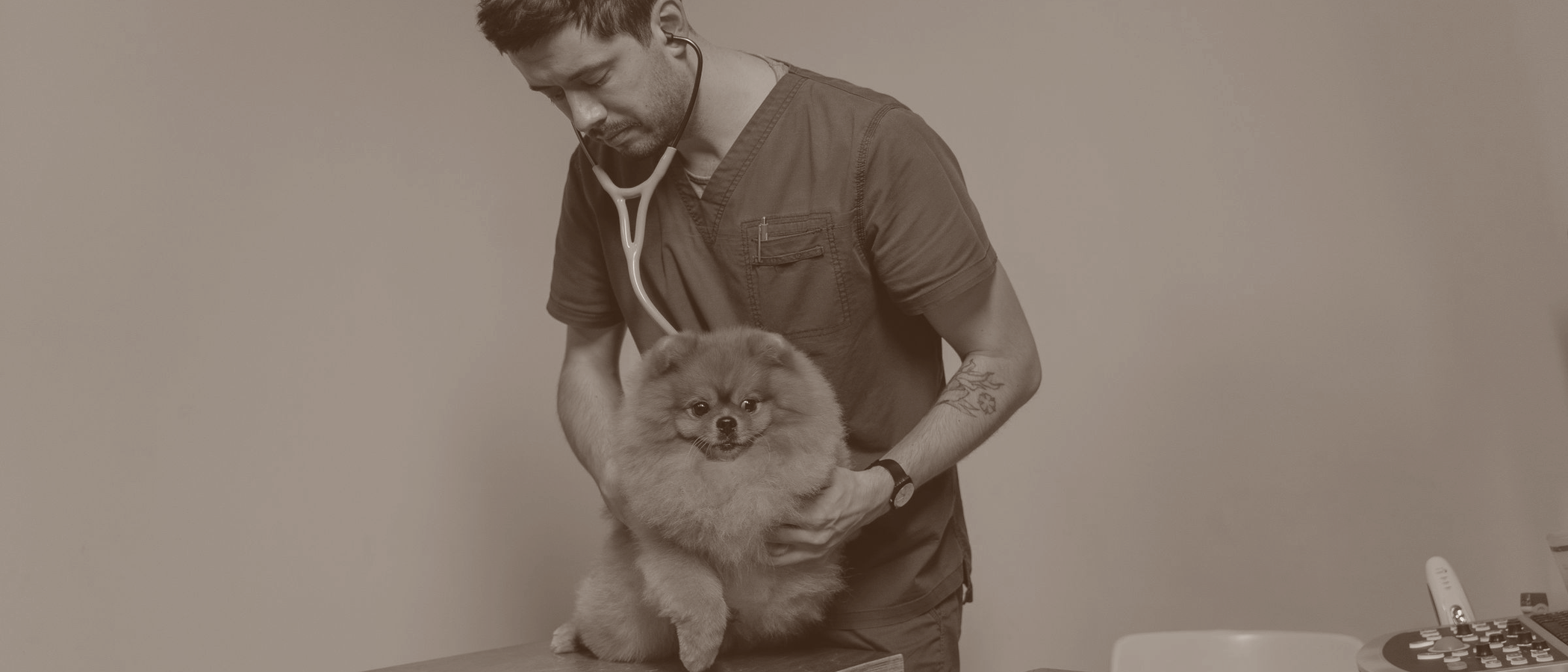
A first appointment goes badly in a predictable way. The owner arrives with a cat in a carrier, and the technician opens a chart that says "Bella, feline, new client." No age. No prior clinic. Nothing about the limp the owner mentioned on the phone last Thursday. So the visit starts with five minutes of questions that should have been answered before anyone booked the slot, and the fifteen-minute exam becomes a twenty-five minute exam, and the two appointments behind it slide.
That is rework, and it starts on the phone. The fix is boring and it works: one written list of fields, asked in the same order, on every new-client call.
This is that list. Treat it as the data capture step, separate from the welcome-and-orientation conversation about hours and policies. These are the fields that have to be in the chart before the pet walks in.
Why partial intake costs more than it looks
Incomplete intake does not fail loudly. It fails as a slow tax on the front desk.
Consider one missing field: the previous clinic's name. Nobody notices at booking. On the day of the visit the veterinarian wants a vaccine history, the owner says "somewhere in Portland, I think it started with a W," and now someone is calling three clinics or ordering a titer that a records request would have made unnecessary. One skipped question turns into forty minutes of staff time across two days.
Multiply that by the number of fields on the list and the number of new clients you see in a month. The front desk does not experience this as a records problem. It experiences it as being permanently behind.
There is a second cost. When the exam room becomes the place where basic history gets collected, the veterinarian is doing intake work in front of a client who is forming an opinion about whether this practice is organized.
The checklist
Ask in this order. It moves from easy toward sensitive, and it puts the triage question early enough that an emergency does not sit through six minutes of address confirmation.
1. Species, breed, age, and weight
Start here rather than with the owner's name. It signals that the call is about the animal, and it is the field most likely to change everything downstream.
Capture species first, then breed, then age or approximate date of birth, then rough weight. Also note sex and whether the animal is spayed or neutered.
Breed matters more than a generic intake form suggests. A nine-year-old Cavalier King Charles Spaniel and a nine-year-old beagle are not the same appointment. Brachycephalic breeds change sedation planning. A staff member who writes "dog, medium" has thrown away information the veterinarian would have used.
Species matters most for exotics. Many small-animal practices see rabbits and guinea pigs but not reptiles or birds, and asking on the phone is what prevents an owner driving forty minutes with a bearded dragon to a clinic that cannot see it.
2. Reason for the visit, in the owner's words
Write what the owner actually said, not your translation of it. "Been throwing up yellow foam since yesterday morning, twice" carries more than "GI upset."
Ask two follow-ups every time. How long has this been going on, and has it changed since it started. Duration and trajectory shape both the urgency call and the appointment length.
Then ask whether this is a wellness visit, a specific problem, or a second opinion. Those need different time blocks, and booking a second opinion into a fifteen-minute wellness slot guarantees the day runs late.
3. Urgency triage
This is the field where getting it wrong hurts most, and where the answer determines whether the rest of the call even happens.
Ask directly about the signs that cannot wait: trouble breathing, collapse or inability to stand, active bleeding that will not stop, seizures, straining to urinate with nothing coming out, a bloated hard abdomen with unproductive retching, a known toxin ingestion, or trauma from a car or a fall.
If any of those are present, stop collecting intake data. Give directions, tell the owner to come now or route them to the nearest emergency hospital, and gather the remaining details once they arrive.
For everything else, sort into today, this week, or routine, and write the reason next to it. "Today, not eating for three days, senior cat" tells the next person why the slot was given. A bare "urgent" tells them nothing.
4. Prior records and previous clinic
Get the previous practice's name, city, and phone number. Then say out loud who is requesting the records. Owners often think the old clinic forwards files automatically, staff often assume the owner is handling it, and the request gets made by nobody.
Ask specifically about rabies vaccination status and date, since that carries legal weight in most jurisdictions and cannot rest on a verbal recollection. Ask about current medications by name and dose, chronic conditions, prior surgeries, and any known drug reactions or allergies.
Mark everything the owner tells you as unconfirmed until the file lands. Verbal history is a working draft.
One practical shortcut: ask the owner to text a photo of the vaccination card or any discharge paperwork they have at home. It arrives in two minutes and covers most of the gap while the formal request is in flight.
5. Pet insurance and payment expectations
If the animal is insured, capture the provider and the policy number on the call. Sorting that out at checkout, with a line forming, is the worst possible time.
Explain how your practice handles claims, because it varies. Some clinics submit directly, some hand the owner an itemized invoice to file themselves. Owners with a new policy frequently do not know which model they are in.
Say your deposit policy plainly if you have one. An owner who hears it on the phone accepts it. An owner who hears it for the first time at the counter argues about it.
6. Contact details and preferences
Name, best phone number, email, and address. Confirm spelling on names and read the phone number back.
Then the preference fields most scripts skip: text reminders, calls, or email, what hours you can actually reach them, and whether a second person is authorized to make decisions about this animal.
That last one matters. When a pet is under anesthesia and a finding requires consent, you need the authorized decision-maker's number already in the chart.
7. Behavior and handling notes
Ask whether the animal has been muzzled before, is fearful of strangers, reacts badly to other animals in the lobby, or has bitten. Owners answer this honestly when it is framed as a scheduling and comfort question rather than an accusation.
The answer changes the booking. A reactive dog goes in the first slot of the morning or the last of the day, not the busy midday block, and the technician knows before the door opens.
What consistency actually buys you
The checklist only works if it runs the same way on every call, including the call that comes in at 4:52 on a Friday when the desk is short-staffed. Consistency is the hard part, not the content.
Practices that get this right usually do one of two things. They build the fields into the practice management software as required entries so the record cannot be saved half-empty, or they move intake off the front desk during peak hours. New-client calls cluster at lunch and in the late afternoon, exactly when the desk is thinnest and most likely to shorten the script.
Some clinics route overflow to an answering service or an AI voice receptionist working from a fixed question set. Tools like Answara can hold the same intake list on every call and pass structured details back to staff. A script running unattended asks question six as reliably as question one, which a human juggling a lobby and two phone lines cannot.
FAQ
How long should a new-client intake call take?
Six to ten minutes for a complete capture. It runs shorter when the owner has their previous clinic's information ready, and longer for a senior animal with a complicated medication list. If your calls consistently finish in three minutes, fields are being skipped.
Should we take intake information before or after booking the appointment?
Triage first, then book, then collect the rest. Deciding urgency before you offer a slot is what stops an emergency getting a Thursday appointment. Once the time is set, the owner is committed and will happily spend another five minutes on details.
What if the owner cannot answer the medical history questions?
Record what they do know, mark it unconfirmed, and get the previous clinic's contact information so your team can request the file. Do not leave the field blank, because a blank looks like it was never asked and someone will ask again.
How do we keep the checklist from being skipped when the desk is busy?
Make the fields required in your practice management system rather than relying on a printed sheet. A paper checklist by the phone gets ignored under pressure. A record that will not save without species, reason for visit, and previous clinic does not.
Where to start
Pull the last twenty new-client charts and check how many have a previous clinic phone number in them. Whatever that number is, it is the size of your intake problem. Fix that one field first, then add the next.