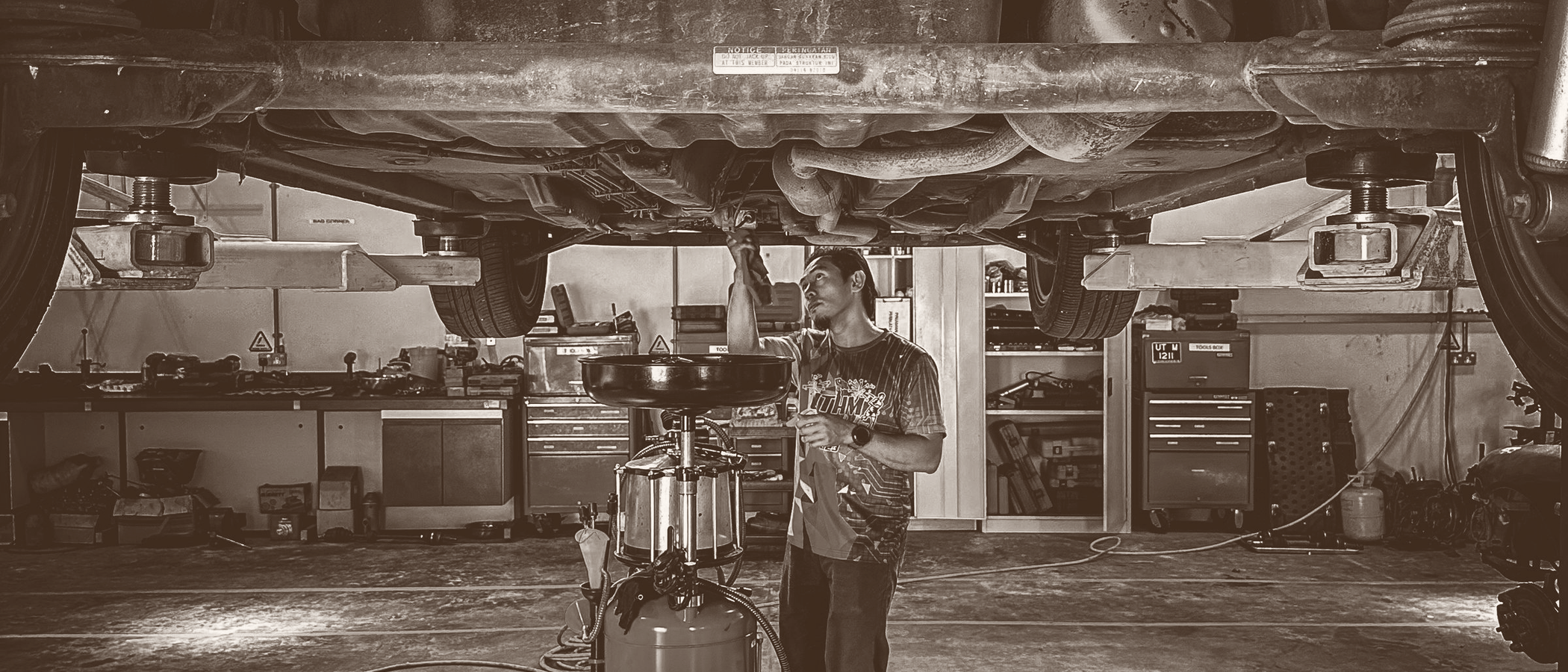
It is 4:40 on a Tuesday. The advisor has eleven repair orders on tomorrow's schedule, a customer at the counter arguing about a diagnostic fee, and a tech standing behind him waiting on an approval. Somewhere under the pile is the list of tomorrow's appointments that somebody was supposed to call. Nobody calls it. At 8:05 the next morning, two of the eleven do not show, one arrives expecting to wait for a job that takes six hours, and the alignment rack sits empty until eleven.
The reminder pass is the cheapest work in the shop and the first thing to get dropped, because skipping it costs nothing today. It costs tomorrow.
Treat the reminder pass as a shift, not a task
The shops that actually run reminders consistently do it the same way they do a parts pull: a named person, a fixed window, and a list that gets worked to zero.
The window matters more than most shops think. Call too early and the customer forgets again. Call too late and they have already left work, already made a plan for the morning, and cannot rearrange a ride. The afternoon before, roughly between three and five, is the slot most independents settle on. It is late enough that the customer's day is basically decided and early enough that they can still move things.
A few adjustments to that rule:
- Monday appointments get called Friday afternoon. A Sunday text is not a reminder pass.
- Appointments that depend on a special-order part get called when the part physically lands on the shelf, not when the tracking says delivered. Confirming around a part still sitting on a truck is how you end up handing out a loaner for two days.
- First-thing-morning slots, the 7:30 and 8:00 drops, deserve the call more than the 10:00 slots. An empty bay at 7:30 is a bay you cannot rebook before lunch.
The two-touch pattern most shops land on is a text roughly 48 hours out and a live call the afternoon before. The text does the easy confirmations. The call is for the ones the text did not resolve, which is where the real information is.
What the call has to confirm
A reminder call that only confirms the time is barely worth making. The point is to walk into tomorrow morning already knowing what is coming through the door.
Which vehicle. Households have more than one car and people book the wrong one constantly. Confirm year, make, model, and something distinguishing: the silver Tacoma, the wife's Explorer. If a part was ordered against a VIN, confirm the VIN matches the car actually arriving.
The concern, in their words, and whether it changed. Read back what was written at booking and ask if anything is different. Symptoms move. A noise that was intermittent last week and is now constant changes the diagnostic approach. A check engine light that went off on its own changes whether the code is still stored. And a customer who says "while it's in, can you also look at the brakes" has just added an hour that nobody scheduled.
Drop-off, wait, or after-hours key drop. This is the single most useful thing on the call, and it is the one most often assumed. A customer who plans to sit in the lobby for a diagnostic is a customer who will be unhappy by ten o'clock. Say the honest number out loud: we will have a diagnosis for you by late morning, so this is a drop-off. If they cannot drop off, that appointment needs to move, and better to learn it now than at the counter.
Transportation. Shuttle, loaner, rideshare, or a spouse following behind. Shuttle runs have to be sequenced, and loaners have to actually exist. Confirming the loaner here is how you avoid the conversation where two customers were both promised the same Corolla.
Approval path. Get the number the customer will actually answer during the day, ask whether they want a call or a text with the estimate, and find out if anyone else has to approve the spend. That saves the advisor an hour of chasing at 11 a.m. Our guide to estimate approval calls covers what to do once the diagnosis is in hand.
Two more small ones that pay for themselves: current mileage, which lets the advisor pre-build the service recommendation, and tire size if the visit involves tires at all.
Voicemail is where most reminder passes quietly fail
A good share of the list will not pick up, and the temptation is to leave "Hi, this is Mike from the shop, give us a call back." That message accomplishes nothing. The customer does not know why you called, assumes it is a sales pitch or bad news, and does not call back.
Leave a message that stands on its own. Name the shop, the appointment day and time, and the vehicle, then give one specific action: reply to the text we just sent with a yes, or call this direct number. Then actually send the text so the message has something to point at.
What not to leave on a voicemail: pricing, diagnostic findings from a previous visit, or anything about a lien, a warranty denial, or a payment issue. Voicemails get played on speaker in kitchens.
Two attempts is the sane cap, and the second one switches channels. If the call missed, text. If the text went unanswered, call. Past that the appointment is unconfirmed and should be treated as unconfirmed.
Capturing the reschedule without losing the slot
Half the value of the reminder pass is catching the cancellation early enough to refill the bay. That only works if two things are true.
First, nobody hangs up without a new date. When a customer says they need to move it, the advisor offers two specific alternatives immediately, and those have to respect the real constraint, which is usually a tech or a piece of equipment rather than a calendar square. If the alignment rack is booked solid Thursday, Thursday is not an option no matter what the scheduler shows. A vague "give us a call when you know" is a lost customer with extra steps.
Second, the freed slot goes somewhere. Keep a short standby list of customers who already approved deferred work from a previous visit and said they would come back. That is the fastest backfill in the shop, because the work is already sold and the parts may already be on the shelf. Call the top two or three names on that list the moment a slot opens.
Then log the outcome. Every appointment on the list ends the day marked confirmed, rescheduled, cancelled, or no contact, written in the scheduler and not in someone's head. Unconfirmed appointments get visibly flagged for the morning so the advisor knows which arrivals are real before the doors open.
Where an AI receptionist fits
The reminder pass fails on the days the shop is busiest, which are exactly the days the empty bay hurts most. That is a staffing problem and it does not resolve itself.
An AI voice receptionist can run the pass on a fixed schedule and work the whole list regardless of what is happening at the counter. It reads from the appointment record, confirms the vehicle and arrival time, asks whether the customer is dropping off or waiting, and writes the answer back to the scheduler. When someone needs to move the appointment, it offers open slots against the shop's real availability. And when a customer calls back at 7 p.m. after seeing the missed call, it picks up instead of pushing them to voicemail overnight.
There are limits worth being clear about. Anything technical, a customer describing a new symptom or asking what the repair will cost, should go to a human advisor rather than get answered by software. Answara handles the reminder pass and the callbacks for auto shops and hands off the conversations that need a person. More on how shops structure phone coverage is on the auto resources hub.
The advisor buried at 4:40 was not being lazy. He was doing the work in front of him, which is what anyone does. The reminder pass just needs to belong to something other than the last free hour of a bad afternoon.