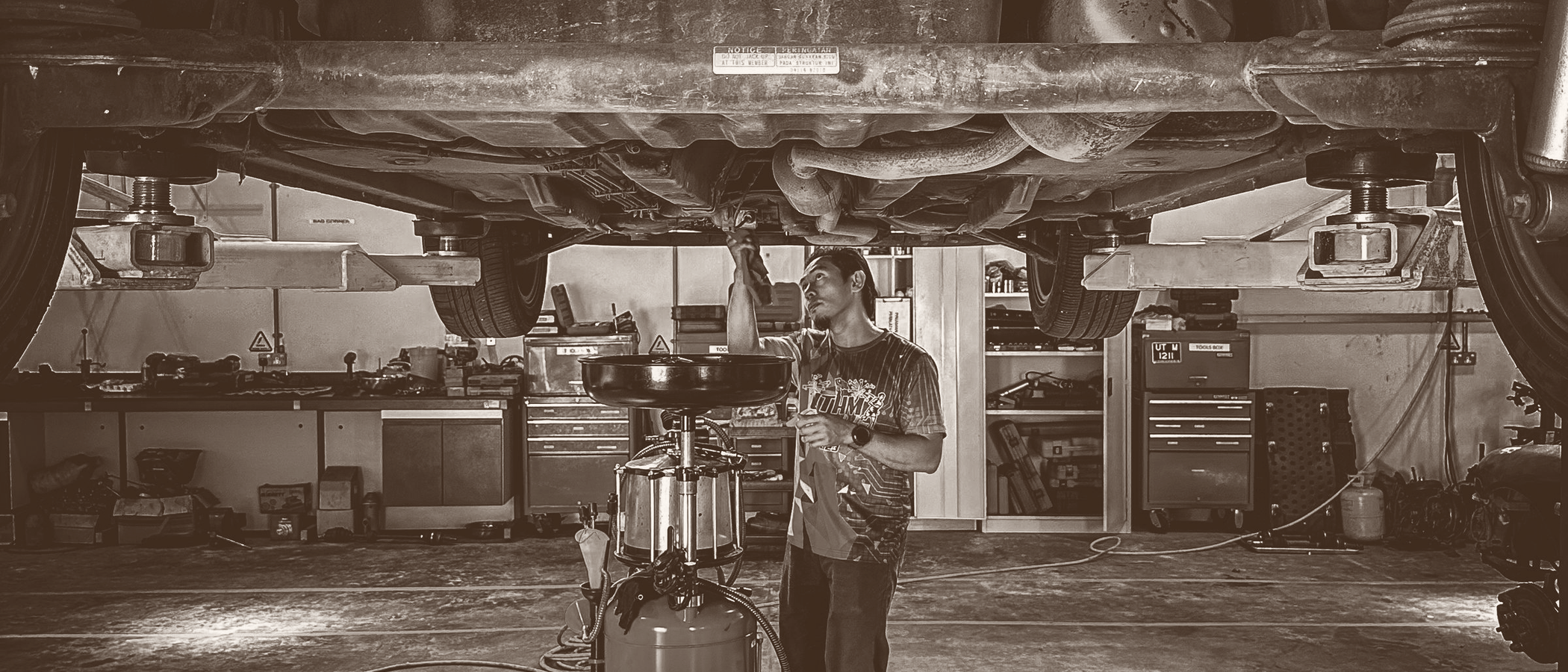
A brake quote call is not a casual shopper. It usually starts with a noise, a warning light, or a pedal that feels wrong, and the driver has already decided something needs fixing. That urgency changes how the call should go. The person on the line is nervous about safety and cost, they are often sitting in the parking lot of the last shop, and they are working down a list. Whoever gives them a clear next step first tends to get the car in the bay. The rest field a voicemail nobody returns.
So the goal of the call is not to win a pricing debate. It is to earn the inspection appointment. Here is how to run that call so the caller stops dialing.
Answer the phone, then slow the caller down
Brake callers open with the question they think matters: "How much for brake pads?" If you answer that number cold, you have lost control of the call and probably quoted wrong. Pads are only part of a brake job, and you have not seen the car. The better move is to acknowledge the question, then take the wheel.
Something like: "Happy to help you get that sorted. Brakes are a safety thing, so I want to give you a real number instead of a guess. Let me grab a few details on the car." That does two things. It signals you take the problem seriously, and it buys you the thirty seconds you need to capture what the quote actually depends on.
Every call gets picked up. That sounds obvious until you count how many brake quotes come in while both bays are full, the writer is elbow deep in a wheel, or it is 5:50 on a Friday. Those are exactly the calls that go to the next shop on the map. A missed brake quote is not a lead you can win back later, because the driver is not going to drive around on bad brakes waiting for a callback.
The intake questions that actually shape the quote
You do not need a twenty-question script. You need the handful of answers that separate a $180 job from a $700 one. Ask these before any number leaves your mouth.
- Year, make, and model, and the trim or engine if they know it. A base sedan and a loaded SUV of the same model can carry completely different rotors and calipers.
- Front, rear, or not sure. Many callers only know "the brakes," and that is fine. It tells you to plan an inspection rather than a swap.
- What are they noticing. Squeal, grinding, a pulsing pedal, a soft pedal, a warning light, or pulling to one side. Each points somewhere specific.
- How long it has been happening, and whether it is getting worse. A two-week grind is a different conversation than a noise that started this morning.
- Mileage, and whether they know when the brakes were last done.
Grinding usually means the pads are gone and the rotors are taking the damage, so you are pricing rotors too. A pulsing pedal points at warped or unevenly worn rotors. A soft or sinking pedal can be a hydraulic issue, which is a safety flag worth naming gently on the call. You are not diagnosing over the phone, but these answers let you set an honest range and decide how fast this car needs to come in.
Why an exact phone price backfires
It is tempting to give a firm number to close the call. Resist it. A brake quote sight unseen is a guess dressed up as a promise, and it costs you either way.
Quote low and the driver arrives expecting that figure. When the inspection turns up scored rotors, a seized caliper, or a brake line weeping fluid, you now look like the shop that baited them. Half of them decline the extra work, drive off on a car that is still unsafe, and tell people your estimate was fake. Quote high to protect yourself and you hand the caller a reason to hang up and dial the shop that low-balled. The number that felt safe just sent your appointment down the street.
A range with a reason works better. "For most front brake jobs on a car like yours, pads and a rotor service land in a normal range, but a soft pedal like you are describing means I want eyes on it before I promise anything. The inspection is quick, and once we know what is actually worn, you get a firm number before we touch it." That respects the caller's budget question, keeps you honest, and moves the call toward the only thing that produces a real price, which is the car on a lift.
Book the inspection before they hang up
This is the part most shops fumble. They give a range, say "come on by," and let the caller decide when. The caller says "great, thanks," hangs up, and keeps calling shops. You never see them.
Close on the call instead. Offer a specific slot: "I can get you in this afternoon at 3, or first thing tomorrow at 8. Which works?" A concrete choice is far easier to say yes to than an open invitation. Once they pick, take the name, the phone number, and the vehicle, and tell them what to expect: how long the inspection runs, that they will get a firm price before any work starts, and whether they can wait or should drop the car. If the pedal is soft or the noise is a grind, say plainly that it is a safety issue and you would rather see it today than in a week.
For a busy shop, the bottleneck is not the pitch, it is coverage. The quote call lands while the phone is already ringing or nobody is at the desk. This is where an AI voice receptionist earns its place. It picks up every brake call on the first ring, runs the same intake every time, captures the year, make, symptom, and how long it has been going, and books the inspection straight into your calendar while the driver is still deciding. No firm price gets promised, because it is built to hand off to your writer for the real number. You can see how that works for auto shops on the Answara auto page.
The call in one page
Keep it simple enough that any writer or apprentice can run it clean:
- Answer fast, and warmly steer away from a cold price.
- Capture the vehicle and the symptom before quoting anything.
- Give a range with a reason, never a firm number sight unseen.
- Offer two specific inspection times and lock one in.
- Confirm name, number, and vehicle, and set the expectation of a firm price after the look.
The driver who calls about their brakes is not shopping for the fun of it. They want the noise gone and the car safe, and they will give that job to the first shop that sounds like it has a plan. Answer the call, own the intake, and put a time on the calendar before they reach the next number on their list.