A buyer is standing in a stranger's driveway on a Saturday morning, looking at a 2016 Tacoma with 108,000 miles on it. The seller seems honest. The truck sounds fine at idle. But there are two more people coming to see it at noon, and the seller wants a deposit today. So the buyer does the smart thing: pulls out a phone, searches "pre-purchase inspection near me," and calls the first shop on the list.
If that shop picks up, it probably gets the job. If it rings to voicemail, the buyer is already dialing the second shop before the greeting finishes. There is no callback window on a call like this. The deposit decision gets made this afternoon, with or without an inspection, and the shop that answers is the shop that earns it.
Why inspection calls behave differently from every other call you get
Most of the calls an independent shop takes have some slack in them. A check-engine light can wait until Tuesday. A brake job can be scheduled around a work week. The customer already owns the car, so the timeline belongs to them.
A pre-purchase inspection call runs on someone else's clock. The seller sets the deadline, and the seller does not care about your bay schedule. Private sellers field multiple buyers at once. Dealers move used inventory in days. The person calling you has often already committed to a decision window measured in hours, and they are calling from the curb, from the dealer lot, sometimes from the driver's seat of the car itself.
That urgency cuts both ways. It makes these callers frustrating to schedule, and it makes them the easiest customers you will ever close. Price barely enters the conversation. They want a slot, today if possible, and they will say yes to the first shop that offers one. Every unanswered ring is a referral to your competitor.
The intake questions that turn a ring into a booked slot
Whoever answers the phone needs to collect enough to schedule intelligently, without turning the call into an interrogation. The buyer is stressed. Keep it tight.
- The vehicle. Year, make, model, and rough mileage. A 2019 Civic and a 2005 F-350 diesel are different jobs. One fits any lift; the other might not fit any of yours.
- Where the car is. Is it at a dealer, at a private seller's house, or already in the buyer's possession? Who is driving it to you, and can they actually get it there? A buyer cannot always borrow the car for two hours.
- The deadline. Ask directly: "When do you need to give the seller an answer?" This single question sorts your schedule. A buyer with a decision due at 4 p.m. today is a different booking than one who has the car on hold until Friday.
- Contact for both parties, if a dealer is involved. Some dealers will drop the car off. Some will only release it with an appointment confirmation in writing.
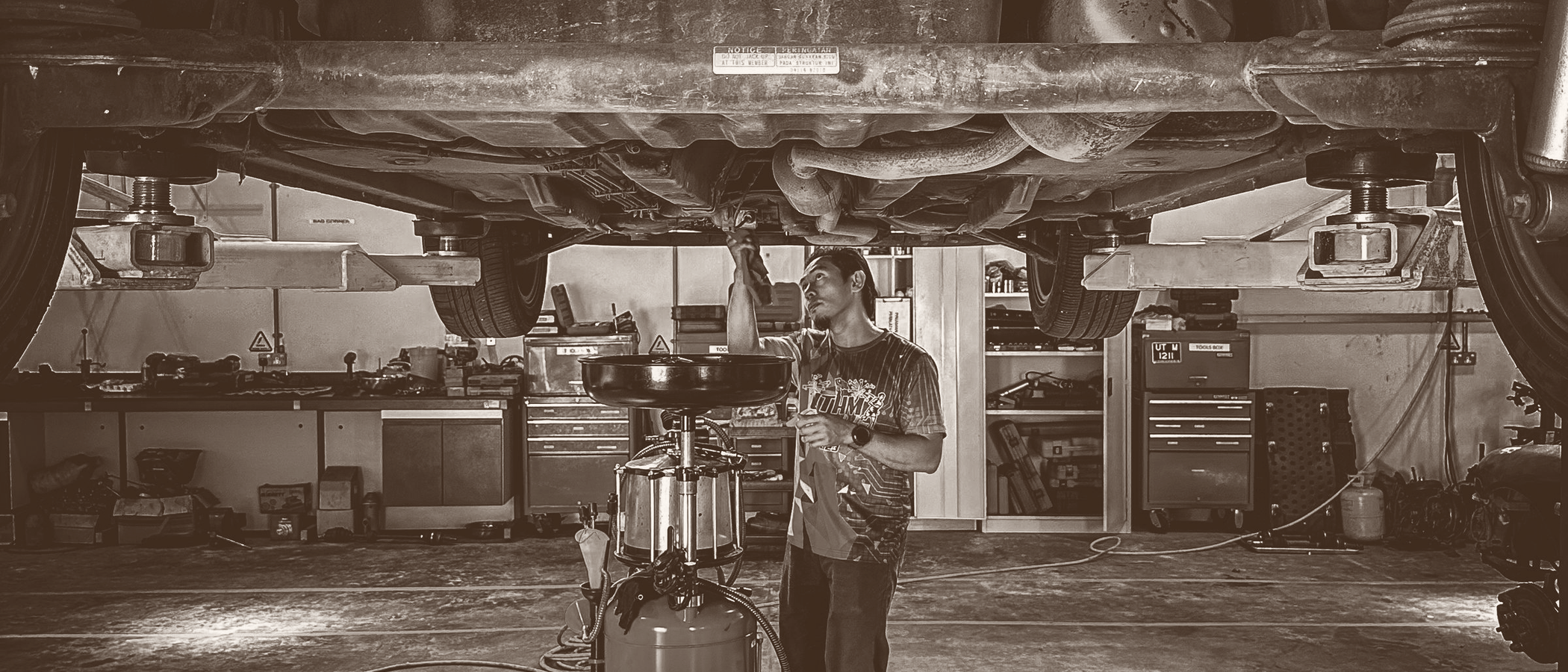
Then set expectations on scope, because "inspection" means different things to different buyers. Walk through what your PPI covers: a scan for stored and pending codes, compression or leak-down testing where warranted, a frame and rust check underneath on the lift, fluid condition, tires and brakes, suspension play, and a road test. Tell them what it costs and how long the car needs to be in your hands. A buyer who knows the inspection takes ninety minutes can negotiate that time with the seller before driving over.
Same-day slotting without wrecking the rest of the board
The instinct is to protect the schedule. Bays are full, techs are behind, and squeezing in an unplanned inspection feels like chaos. But a PPI is one of the most schedulable jobs in the shop precisely because it is bounded. No parts to order. No approval loop mid-job. The car goes up, gets checked, comes down.
A few shops handle this with a soft hold: one lift-hour per day left unassigned until 1 p.m., released to routine work if no inspection call claims it. Others keep a short standby list of jobs that can slide thirty minutes without a customer noticing, and slot the inspection into the gap. Either way, the math favors saying yes. An inspection buyer who has a good experience just bought a used car, and used cars need work. You are meeting your next twelve months of repair customers on the day they take ownership.
The scheduling failure mode is vagueness. "Bring it by and we'll try to fit you in" loses to any shop that says "2:30 today, have it here by 2:15." Buyers relaying logistics to a seller need a firm time. Give them one.
The calls you never hear about
Here is the uncomfortable part. Shops rarely feel these misses, because a missed inspection call leaves no trace. The buyer does not leave a voicemail. There is no no-show on the board, no angry review, nothing. The call happened at 12:40 on a Tuesday while the service writer was walking a customer to her car, or at 6:50 p.m. after close, when a buyer got off work and drove out to see the listing. Saturday afternoons are the worst offenders. That is prime used-car shopping time, and for a lot of independent shops it is also when the front desk is thinnest or the doors are already locked.
Each of those silent calls follows the same script. Ring, ring, voicemail, hang up, next shop on the list. The buyer still gets an inspection somewhere. The seller still gets an answer. Your shop just was never in the story.
Closing that gap comes down to coverage. Something has to answer, run the intake questions, and put a firm appointment time in the buyer's hands while their urgency is still working in your favor.
This is the specific problem Answara was built for. It is an AI voice receptionist that picks up the inspection call when the bays are full or the shop closed an hour ago. It captures the vehicle details, where the car is sitting, who is bringing it in, and when the buyer owes the seller an answer, then hands your team a complete lead ready to slot into tomorrow's first opening or today's held lift-hour. Answara handles the phone call. The inspection itself, and the judgment about that Tacoma's frame rust, stay exactly where they belong: with your techs. The next Saturday-morning buyer standing in a driveway is going to call someone. It may as well be a line that answers.