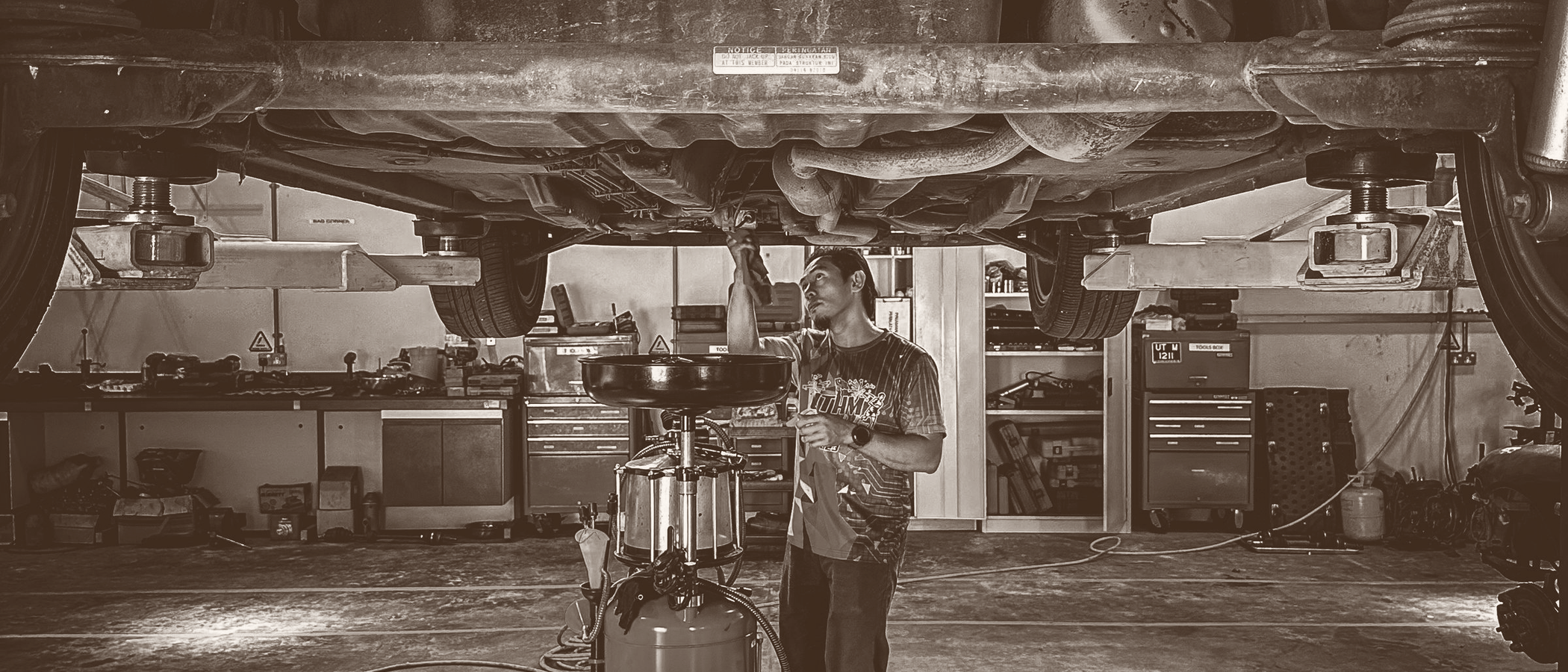
The Service Advisor's Phone Follow-Up Workflow
A tech pulls a wheel at 9:40, finds a seized caliper and a rotor past minimum, and writes it up. The advisor calls the customer at 10:05. No answer. Voicemail left. The car sits on the lift, the tech moves to the next job, and by 2:00 that afternoon nobody has called back and nobody at the shop has called again. The bay is occupied by a vehicle that can't be worked on and can't be moved.
That is the whole problem in one paragraph. Approvals are the bottleneck in most repair shops, and approvals live and die on the phone. The estimate is fine. The tech is available. The parts are on the shelf. What's missing is a human on the other end of a call saying yes.
Most shops have a follow-up habit rather than a follow-up workflow. On a slow Tuesday the habit works. On a Monday with a full board and two walk-ins, it collapses, and the calls that get dropped are almost always the ones that were about to turn into money on the ticket.
The four calls that actually matter
Strip out everything optional and a service advisor's follow-up load comes down to four moments. Each has its own timing and its own script.
The estimate approval call. The tech has diagnosed the vehicle and you need a decision. This is the highest-urgency call in the shop because a bay is tied up behind it.
The declined-work call. The customer approved the brakes and passed on the struts. That deferred line item is a real job with a real timeline attached to it.
The parts-delay call. The supplier missed the delivery, the part is backordered, or the wrong SKU showed up. The customer's expectation about pickup time is now wrong and they don't know it.
The post-repair check call. The car went out two or three days ago. Did the noise go away? Did anything come back?
The first three protect the current ticket. The fourth protects the next one.
Estimate approvals: the first two hours decide it
The approval call has a shelf life. Call within minutes of the tech finishing the writeup and the customer is still mentally attached to the car they dropped off that morning. Wait until mid-afternoon and they've moved on to their own workday, and now you're an interruption rather than an update.
Make the first attempt immediately after the estimate is written. If that goes to voicemail, leave a message that gives them something to act on:
"Hi Maria, this is Dave at Bayside Auto. We've got your Camry up and I've got the diagnosis and a price for you. Give me a call back at 555-0142 and I can walk you through it, or reply to the text I just sent with the estimate."
Two details matter there. You said you have a price, which is the thing they want to know, and you gave them a second channel. Plenty of customers won't call a shop back but will answer a text in forty seconds.
Then set a second attempt. Ninety minutes to two hours later is a reasonable interval, and it should be an actual scheduled attempt rather than something you remember to do if the counter quiets down. If the second attempt also misses, try the alternate number on the intake form, then the emergency contact if you took one.
When you do reach them, lead with the answer rather than the story. "Your brakes need work, here's the number, here's how long, can I get your approval?" Advisors who open with a five-minute technical narrative tend to lose the customer's attention before they get to the ask. Explain the why after they've heard the what, and only as deep as they want to go.
Give a clear yes or no decision point at the end. Not "let me know what you want to do," which is an open loop that never closes. Something like: "If you can approve it now, the car's out by five today. If I don't hear back by two, it rolls to tomorrow." That's true, it's specific, and it hands the customer the consequence of waiting.
Declined work: the follow-up nobody schedules
Deferred line items are the most reliably ignored opportunity in a service department. The customer already knows they need the work. They already got a price from you. They said not today, which is almost never the same as no.
Build the follow-up into the moment of decline. Before the customer picks up the car, ask when they'd like you to check back. Put that date on the ticket, not in your head. Then call when you said you would, and open by referencing the specific job:
"Hey Tom, Dave at Bayside. Back in March we talked about the rear struts on your F-150. You wanted to revisit it after the spring. Still want me to hold a slot for that?"
That call works because it isn't a sales call. You're keeping a commitment the customer made to himself. The failure mode is not calling at all, which is what happens when deferred work lives only in a note field nobody queries.
Parts delays: call before they call you
The parts-delay call is the one advisors most want to avoid, and it is the one that does the most damage when skipped. A customer who finds out at 5:15 that the car isn't ready is angry. A customer who hears at 11:00 that the caliper is coming tomorrow morning instead is inconvenienced but informed.
Call the same day you learn about the delay. Give the new pickup time, not a vague reassurance. If you can offer something practical, like holding the car overnight securely or arranging a ride, offer it in the same call so the customer isn't left assembling a plan alone.
Post-repair checks: short, specific, three days out
Call two or three days after pickup. Long enough that they've driven the car in real conditions, short enough that a comeback gets caught before it becomes a roadside failure.
Keep it under a minute:
"Hi Maria, Dave at Bayside checking in on the Camry. Is that grinding gone? Anything else you're noticing?"
Ask about the specific complaint you fixed. A generic "how's everything?" gets a reflexive "fine" and tells you nothing. If something is off, you find out from the customer instead of from a review site, and you get to fix it while the goodwill is still intact.
Where the workflow breaks
Every shop's follow-up system fails in the same conditions: the board is full, two customers are at the counter, the phone is ringing, and a tech is standing at the desk waiting on an answer. The advisor is a single point of failure, and the follow-up queue is the first thing that gets dropped because nobody is standing in front of you asking for it.
A few things make the system hold up under load.
- Write follow-ups on the ticket with a time, not on a sticky note. If it isn't attached to the vehicle record, it doesn't exist.
- Do a fixed sweep at set points in the day. Late morning and mid-afternoon are natural windows. Work the list of open approvals and unreturned calls in order.
- Never leave a voicemail without a second channel. Text the estimate. Send the photo of the worn pad. Give the customer a way to approve that doesn't require catching you live.
- Log every attempt with a timestamp. When a customer says nobody called, you want a record, and you want to know whether the second attempt actually happened.
- Assign backup. When the primary advisor is buried, someone else works the approval queue. A stalled approval is a stalled bay.
The other half of the breakage is inbound. While your advisor is on an outbound follow-up call, the customer who was returning yesterday's approval call is hitting a busy line. Many callers who reach voicemail at a shop simply hang up and try again later, or don't. That approval sits unclaimed, the bay stays occupied, and the tech's afternoon gets rebuilt around a car that could have been finished by lunch.
The quiet cost of a dropped follow-up
An approval that stalls for a day isn't a lost customer. It's a bay that produced nothing, a tech who got moved off a job and has to reload it, a parts order that sits picked and unbilled, and a schedule that has to absorb one more car than it planned for. Do that a few times a week and the shop feels chronically behind without any single thing having gone visibly wrong.
This is where an always-on phone layer earns its keep. When your advisor is on the lift or working the counter, a receptionist that answers every call for your shop can catch the returning approval, take the yes, log it against the ticket, and route the customer who needs a live person. The follow-up workflow above is the discipline. Answering the phone every time is what keeps it from falling apart on the days it matters most.