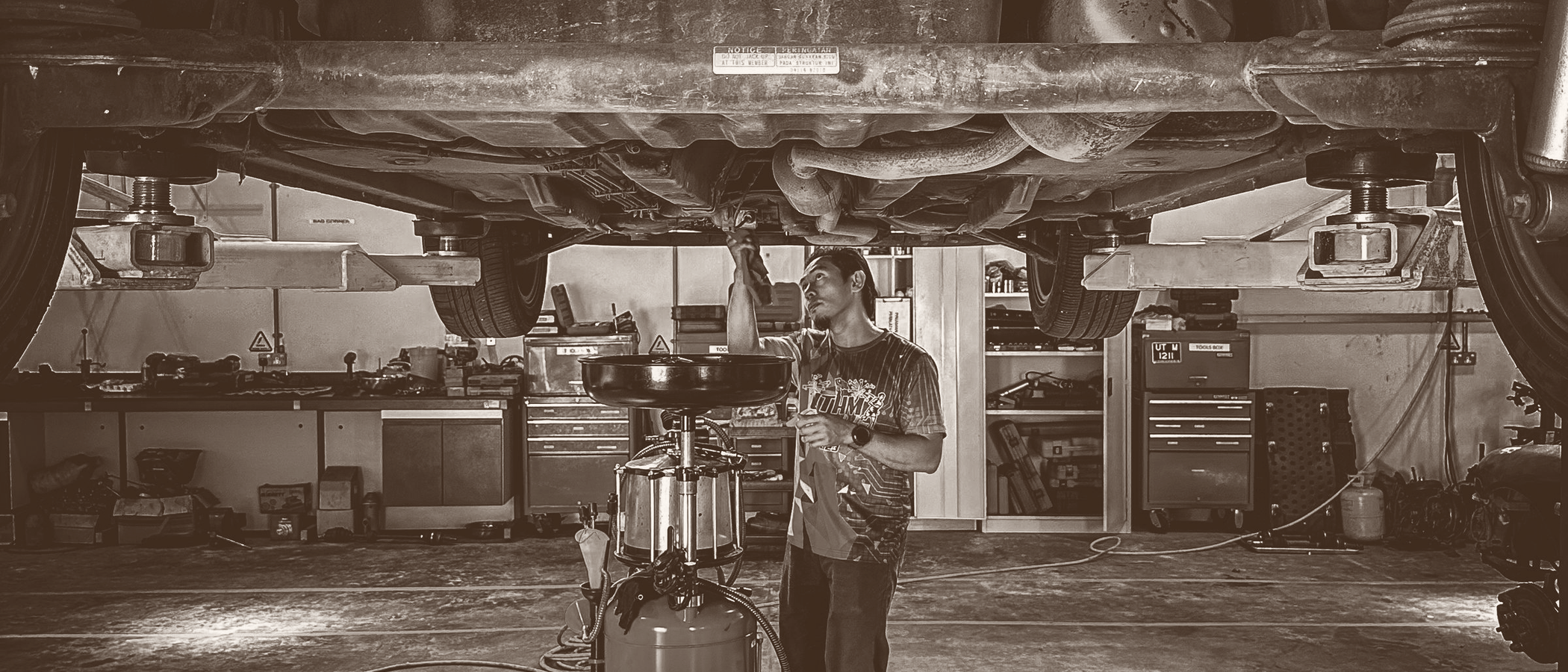
The first real heat wave of the year has a way of finding every weak AC compressor in your service area at once. A car that felt fine in May is suddenly blowing warm air in a parking lot at 2pm, and the driver wants it fixed today. Multiply that by every household in town and you get the pattern most shop owners already know by feel: the phone will not stop, and the people who can answer it are elbow-deep in a dashboard.
That collision between call volume and bay work is the whole problem. Let's break down why it hits so hard and what you can actually do about the front-of-house side of it.
Why the surge shows up all at once
Air conditioning failures cluster because the trigger is shared. Most AC systems limp along through mild weather with a slow refrigerant leak, a tired compressor, or a clogged condenser that nobody notices until the outside temperature crosses a threshold. When the region hits its first stretch of 90-plus days, thousands of drivers discover the same fault in the same 72-hour window.
Demand does not ramp up gently. It spikes. And it spikes on top of your normal summer workload of road-trip inspections, brake jobs, and cooling-system service that people schedule before vacation. Your bays were already full before the AC calls started.
The phone gap during peak weeks
Here is the part that quietly costs shops the most ground. During a surge, your most capable people are the least available to answer a phone.
A few things happen at once:
- Your service advisor is working a line at the counter and cannot pick up a ringing line without making the customer in front of them wait.
- Techs who might otherwise grab a call are on the clock turning hours, and pulling them off a job to talk about someone else's compressor is the wrong trade.
- Voicemail fills up, and most callers with a hot car will not leave a message. They tap the next result on the map.
That last point is the industry-loss reality of seasonal demand. When a driver is uncomfortable and motivated, a missed call is rarely a call you get back later. The overflow simply routes to whoever answers. During a heat wave your competitors are fielding the exact same flood, so the shop that picks up is the shop that books the bay.
The frustrating detail is that the demand was real. These were not tire-kickers. They were drivers ready to pay for a repair, and the only thing between them and your calendar was a phone nobody could reach.
Triage questions that make AC calls faster
AC complaints are one of the more triage-friendly problems in the shop, because a handful of questions narrow the likely job before the car is ever on a lift. Whoever or whatever handles your phones during the surge should be asking the same short set every time:
- Is the air blowing warm all the time, or only sometimes, like at idle or in stop-and-go traffic?
- Any unusual noise when the AC kicks on, or a smell inside the cabin?
- Did it stop working gradually over a few weeks, or all at once?
- Year, make, and model, plus rough mileage.
Warm air only at idle points one direction. A sudden total failure points another. You are not diagnosing over the phone, but the answers tell you whether this is a quick evacuate-and-recharge with a leak check or a bigger compressor conversation, and that shapes how much bay time to reserve.
Capturing those answers up front also means the car arrives with a note already attached. Your advisor is not starting the intake conversation cold while the customer stands at the counter and the phone rings behind them.
Slotting appointments without blowing up the schedule
The instinct during a surge is to tell everyone "come on down" and sort it out in the lot. That backfires by mid-morning, when six cars are waiting on four bays and nobody has a realistic pickup time.
Better to slot deliberately. AC diagnostics take a fairly predictable chunk of time, so you can hold specific windows for them rather than promising same-day miracles to everyone. A caller who is told "we can get you in at 8:15 tomorrow and have an answer by mid-morning" tends to book and show. A caller who is told "just swing by whenever" often shows up at your busiest hour or drifts to another shop that gave them a real time.
Consistent booking rules help here. If your phone coverage always offers the next genuinely open diagnostic slot, checks the car's basics against it, and confirms the appointment on the spot, the calendar fills in an order you can actually staff. Tools like AI call handling can run that same script on every call at 11am on the busiest day of July, which is exactly when a human advisor cannot.
Capturing the after-hours and overflow calls
Heat does not respect your hours. A compressor that quits at 6pm generates a call at 7pm, and a lot of AC decisions get made in the evening after someone has driven home sweating. If those calls hit a closed line, they land somewhere else by morning.
Two windows deserve attention:
After close. Evening callers are often the most ready to commit, because they have had all afternoon to get annoyed with the problem. A booking captured at 8pm is a car in your bay at opening, before the next day's fresh surge even starts. Letting those calls go to voicemail hands tomorrow's schedule to whoever answers tonight.
Peak overflow. The calls that ring while every line is busy are not lost causes, but they are time-sensitive. If a caller can get their questions answered, their AC symptoms logged, and an appointment set without waiting for a callback that may not come until after lunch, you keep demand that would otherwise walk.
This is the case for having a reliable way to answer every call during the season, whether that is a seasonal front-desk hire, an overflow answering setup, or an AI receptionist that handles intake and scheduling around the clock. The goal is simple: no ready-to-book AC customer reaches a dead line during the weeks they are most likely to call.
Getting ahead of next week's forecast
The shops that handle the surge well tend to treat it like the seasonal event it is rather than a surprise. A few moves before the heat lands:
- Watch the forecast. A stretch of first-of-the-season hot days is your early warning that the phones are about to light up.
- Decide in advance how AC calls get triaged and slotted, and make sure whoever covers the phone knows the script.
- Reserve realistic diagnostic windows on the calendar so you are booking into structure, not chaos.
- Close the after-hours gap so evening callers turn into morning appointments.
Answering the phone sounds like the least sophisticated part of running a shop, and during eleven months of the year it mostly is. But in the weeks when a heat wave turns every warm cabin into a motivated buyer, the front desk is where the season is won or lost. If you want to see how other auto shops keep every call covered through the summer rush, that is what our work with auto shops is built around.