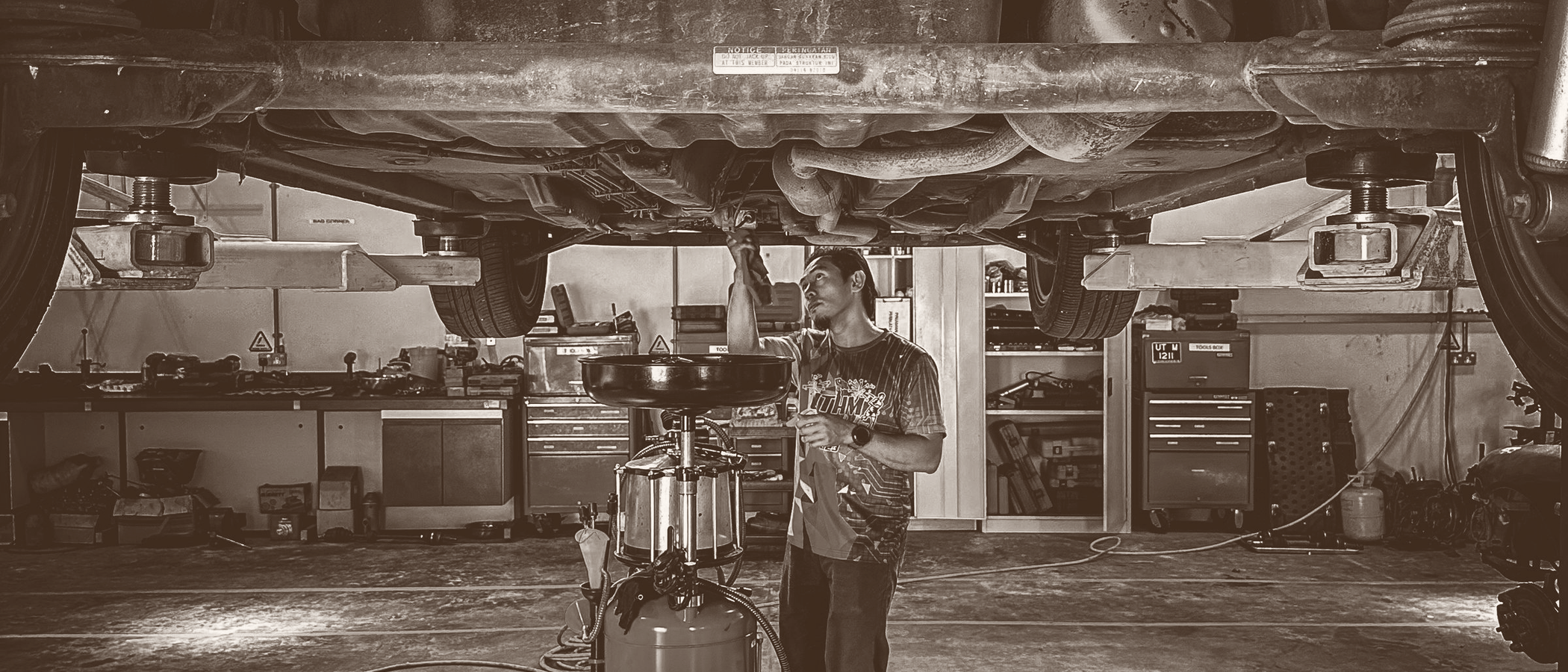
The first warm Saturday in April does something to riders. Bikes that sat under covers since October get wheeled into driveways, batteries get tested, and half of them fail to start. By 9am the shop phone is ringing. By 10 it hasn't stopped. Someone needs a carb clean because their fuel went stale over the winter. Someone else wants fresh tires before a group ride next weekend. A third caller just bought a used Sportster and wants a safety inspection before trusting it on the highway. Every one of them wants in this week, and you have two techs, one lift free, and a backlog that already stretches into May.
That is spring in a motorcycle shop. The whole riding season's demand compresses into six or eight weeks, and the phone becomes the busiest tool in the building at exactly the moment nobody can pick it up.
Why the spring surge breaks the phone first
Motorcycle service is brutally seasonal in most of the country. From November through February the phone barely rings. Then the weather turns and everyone who parked a bike in the fall needs the same three things at once: a battery, fresh fluids and a fuel system cleaning, and tires. Shops staff for the average, because staffing for the peak means paying people to sweep floors in January. So the crew that handled winter volume comfortably is suddenly underwater.
The math on the floor is simple. A tech who stops mid-job to answer the phone loses the call time plus the time it takes to get their head back into the fork seal they were pressing. A service writer, if the shop even has a dedicated one, is juggling the counter, the parts orders, and the customer standing in front of them. The person physically present wins. The phone loses. It rolls to voicemail, and most riders calling around for spring service leave nothing. They hang up and dial the next shop on the map.
Here's the part that stings. The shops losing these calls are usually booked solid. A full schedule makes the losses feel harmless, because there was no open slot to sell anyway. But the rider whose call went to voicemail in April buys tires somewhere else in July. The caller you couldn't take for a spring tune-up would have come back in the fall for winterization, then next spring for the same tune-up, and eventually for the big-ticket work: a top-end rebuild, a full suspension refresh. One missed spring call quietly closes the front door on a multi-year service relationship, and no report ever shows it. It just shows up as a quieter August.
Structured service intake: get the right details the first time
When calls do get answered during the rush, they often get answered badly, because the person answering is rushed too. "Yeah, bring it by" produces a bike in the lot with a vague ticket and a tech who has to call the customer back to ask what year it is and whether it turns over.
Good spring intake captures a specific set of facts on the first contact:
- Year, make, and model, because parts lead time on a 2003 metric cruiser is a different animal than a current-year Japanese sportbike
- Whether the bike runs, cranks without starting, or is fully dead, since that separates a battery-and-fresh-fuel job from a full carb teardown
- How it was stored: fuel stabilizer or not, battery tender or not, heated garage or under a tarp
- What the rider needs it for and when, since "poker run in three weeks" and "whenever you can get to it" belong in different parts of the schedule
A shop that collects this consistently can order parts before the bike arrives, quote a realistic window instead of a hopeful one, and batch similar jobs. Four carb cleans in a row go faster than four carb cleans scattered across two weeks. The intake conversation takes three minutes when it's structured. It takes three phone calls when it isn't.
The waitlist is where full shops keep their future customers
When the schedule is genuinely full, the instinct is to say "we're booked out four weeks" and let the caller decide. Most decide to keep dialing. The shops that come out of spring stronger treat "we're full" as the start of the conversation: honest about the wait, but ending with a captured commitment.
That means an actual waitlist, written down, with names, numbers, bikes, and jobs. When a customer no-shows or a job finishes early, the service writer texts the first person on the list who fits the open slot. A rider who hears "four weeks out, but you're third on our cancellation list and we'll text you the moment something opens" stops calling other shops. A rider who hears "we're slammed, try back in May" is gone.
A useful waitlist entry is specific. Year, make, model. The symptom or service. Whether the bike can come in same-day if a slot opens, or has to wait for a weekend. That last field is the one shops skip and the one that matters most, because a Tuesday cancellation can only be filled by someone who can get the bike there on Tuesday.
The waitlist also smooths the season itself. Some spring callers can wait. The rider who wants new tires before a June trip will happily take a mid-May slot if someone offers it, which pulls demand out of the crunch weeks and into the shoulder. That only happens if someone asks about timing during intake instead of cramming everyone into the same panicked fortnight.
Triage: tires and safety first, cosmetics later
Spring calls carry different weight, and treating them all the same clogs the schedule with the wrong work. A rough triage order most shops arrive at eventually:
Safety-critical goes to the front. Tires showing cord, brakes that pulled soft over the winter, a wobble the rider felt on the first ride out. These bikes are being ridden right now in dangerous condition, and they're also fast, well-understood jobs.
Dead bikes get diagnosed early and scheduled honestly. A bike that cranks without firing feels urgent to the owner but is often routine: battery, stale fuel, gummed carbs. The key is a quick diagnostic touchpoint so the shop knows whether it's a two-hour job or a teardown, then an honest slot on the calendar with parts ordered ahead.
Deferred maintenance and cosmetics fill the gaps. The rider who wants a detail and new grips can wait two weeks at no real cost. Slotting that job ahead of a cord-showing rear tire, just because that caller happened to get through first, is how a schedule ends up wrong.
The phone is the sorting mechanism for all of this, which is why an unanswered phone also scrambles the schedule for the calls you do keep.
The calls that come in when the shop is dark
Riders think about service on their own schedule: Sunday evening, rolling the bike back into the garage after the first ride of the year revealed a slipping clutch, or at 9pm after checking the weekend forecast. In spring, a real share of service demand shows up outside business hours, and it lands on a closed shop's voicemail.
Monday morning at a busy shop is already the worst time to return calls. Bikes are getting dropped off, the weekend's messages are stacked up, the counter is three deep. The Sunday-night caller who left a message competes with the Monday-morning customer standing at the desk, and the person physically present wins again. Many Sunday callers skip the message entirely. They find a shop with online booking or one that picks up, and the relationship starts there instead.
Where an AI receptionist fits
Everything above is a phone-capacity problem wearing different clothes. Intake fails because nobody has three uninterrupted minutes. The waitlist stays a good intention because nobody has time to maintain it. Triage happens by accident of who got through. After-hours demand evaporates because the building is empty.
Some shops solve it with a seasonal front-desk hire, and if you can find someone good for a three-month surge, that works. Others put an AI voice receptionist like Answara in front of the shop line as the overflow and after-hours layer. It answers every call, runs the same structured intake every time (year, make, model, runs or doesn't, storage conditions, timing), adds full-schedule callers to the waitlist with their details captured, and flags the cord-showing-tire calls for a human callback first thing. The techs stay on the lifts. The Sunday-night caller gets a real conversation instead of a beep, and the service writer opens Monday with a sorted list of qualified requests instead of a blinking machine.
Six weeks of compressed demand is the shape of this business, and no shop is going to change it. What a shop can change is how much of that demand it actually captures. Come the first warm Saturday in April, the bays will fill either way. The open question is what happens on the fifth ring.