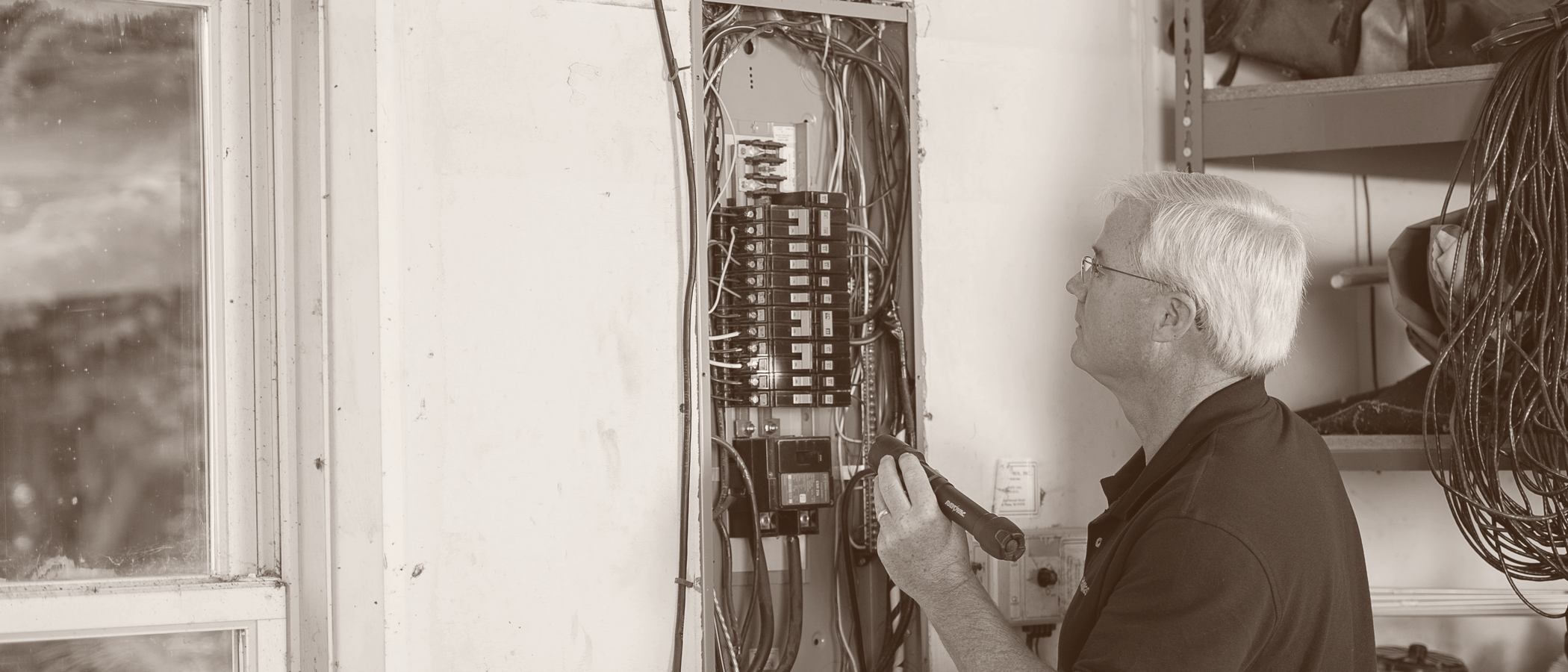
A panel upgrade call is not a service call. Someone is asking you to spend a half day pulling a meter, coordinating with the utility, pulling a permit, and passing an inspection. Before any of that, they call your shop with a vague idea of what they need. How that first call gets handled decides whether the job is scoped right, whether the truck roll is worth making, and often whether the caller books with you or the next number on their list.
Panel jobs hide a lot behind a simple request. "I need a bigger panel" can mean a straightforward 100 to 200 amp service upgrade, or a full service change with a mast, a meter relocation, and a utility coordination headache. Good intake sorts those apart on the phone, before anyone drives out. Here are the questions worth asking, the permit and load context behind them, and why the calls you miss are the ones that hurt most.
Why These Leads Need Qualifying Before a Truck Roll
Sending an electrician to every panel inquiry is expensive, and panel callers are all over the map. Some got flagged on a home inspection and have no real load problem. Some are adding an EV charger or a heat pump and genuinely need more service. Some are landlords chasing the cheapest number. A few are describing a real hazard that should move to the top of the schedule.
You cannot tell those apart from "how much for a new panel." Intake is how you separate a same-week consult from a job that needs a load calculation first, and how you avoid burning a slot on a caller who was never going to move forward. The goal of the call is not to quote. It is to gather enough that whoever does the consult shows up informed.
The Intake Questions That Actually Matter
You do not need a fifteen-minute interview. You need a handful of specific answers written down. These are the ones that change how a panel job gets scoped.
What is the current panel size and brand? Ask for the amperage on the main breaker, usually 60, 100, 150, or 200 amps, and the brand on the panel door. Federal Pacific and Zinsco panels are worth flagging, because those often drive the upgrade and change the urgency.
What is prompting the upgrade? The reason tells you the scope. An EV charger, a hot tub, a heat pump, an addition, a remodel, a failed inspection, or breakers that keep tripping. "Adding a 48 amp EV charger" is a load conversation. "Home inspector wrote it up" might not need an upgrade at all.
Is this a panel change or a full service upgrade? A panel swap reuses the existing service. A service upgrade means new wire from the utility, possibly a new meter base, a new mast, and utility coordination. Ask whether the meter and panel are in the same spot, because a meter relocation changes everything.
Overhead or underground service? Overhead drops and underground laterals are different jobs with different utility steps.
How old is the home, and is there aluminum wiring? Homes wired in the mid 1960s to late 1970s may have aluminum branch circuits, which is a safety conversation on its own.
Any signs of a real problem right now? Burning smell, warm panel cover, scorch marks, buzzing, or breakers that will not reset. These move the call up the schedule and may be an emergency rather than a consult.
Access and logistics. Is the panel accessible, is the caller the owner, and what is the address so you can check the utility and jurisdiction. A tenant usually cannot authorize the work.
Write the answers into the lead, not just the callback number. A consult booked with those seven answers attached is a different job than a name and "wants panel."
The Permit and Load-Calc Context Behind the Questions
Those questions are not busywork. They map to what you will actually have to do to close the job.
Almost every panel upgrade or service change is a permitted job with an inspection, and many jurisdictions require the load to be justified. A NEC Article 220 load calculation is how you prove a 200 amp service is warranted, and it is what an inspector or plan reviewer may want to see. The square footage, the appliances, the HVAC, the EV charger, and the future plans the caller mentions are the inputs to that calc. Gathering them at intake means the consult is a confirmation, not a fact-finding trip.
The utility is the other moving part. A service change usually means scheduling a disconnect and reconnect with the power company, and that lead time is not yours to control. Knowing overhead versus underground and whether the meter moves lets you set the timeline honestly on the first call instead of surprising the customer three weeks in.
Why an Unanswered Consult Call Goes to a Competitor
Here is the part that quietly costs electrical shops the most. A panel upgrade is a considered purchase. The caller has usually decided to spend money and is now calling two or three shops to find one that picks up and sounds competent. The phone is the first test, and a call that rings out fails it.
Missed calls are a known gap for electrical shops. You are in a crawlspace or driving between jobs, and the phone is the one thing you cannot always answer. After hours is worse. A homeowner who finally sits down at 8 p.m. to deal with the panel and gets voicemail simply dials the next result. That consult call does not wait for a callback. It goes to a competitor who answered.
This is where consistent phone coverage earns its keep. Some shops now pair their crew with an AI receptionist like Answara, which answers calls 24/7 and logs the caller's details, the panel size, the reason for the upgrade, the address, so nothing is lost between the ring and the callback. It does not run the consult and it does not replace the electrician. It makes sure the caller reaches a real intake instead of a voicemail box, and that their answers are ready when your estimator follows up. You can see how that works in the AI call handling overview, and the electrical resources hub has more on scoping these jobs.
Turning Intake Into a Cleaner Consult
The point of a tight intake is a consult that moves fast. When the electrician arrives already knowing the panel is a 100 amp Zinsco, the driver is a heat pump, the service is overhead, and the meter stays put, the visit is about confirming and quoting, not discovering. That means a shorter appointment and a more accurate estimate.
Keep the intake script short and consistent so every call gets sorted the same way, whether your best tech answers it or it comes in at midnight. Consistency is what keeps a real hazard from being logged as a routine quote, and a serious buyer from being told "someone will call you back" and never hearing from anyone.
FAQ
How do I tell a real panel upgrade from a caller who does not need one? Ask what is prompting it. A failed home inspection note often does not require an upgrade, while an added EV charger, heat pump, or repeated breaker trips usually points to a real load or capacity issue. The reason for the call sorts the genuine upgrades from the callers who just want reassurance.
What details should I capture before booking the consult? Current panel amperage and brand, the reason for the upgrade, whether it is a panel swap or a full service change, overhead versus underground service, the home's age, any signs of an active hazard, and the address. Those answers let the estimator show up prepared.
Do panel upgrades always need a permit and a load calculation? Nearly always a permit and inspection, yes, and many jurisdictions want a load justification. An NEC Article 220 load calculation is how you show the service size is warranted, and the appliance and square-footage details from intake are what feeds it.
What happens if we miss a panel consult call? Panel callers are usually shopping two or three electricians and booking whoever answers and sounds competent. A missed or after-hours call is a common way electrical shops lose those leads, because the caller moves to the next number rather than waiting for a callback.