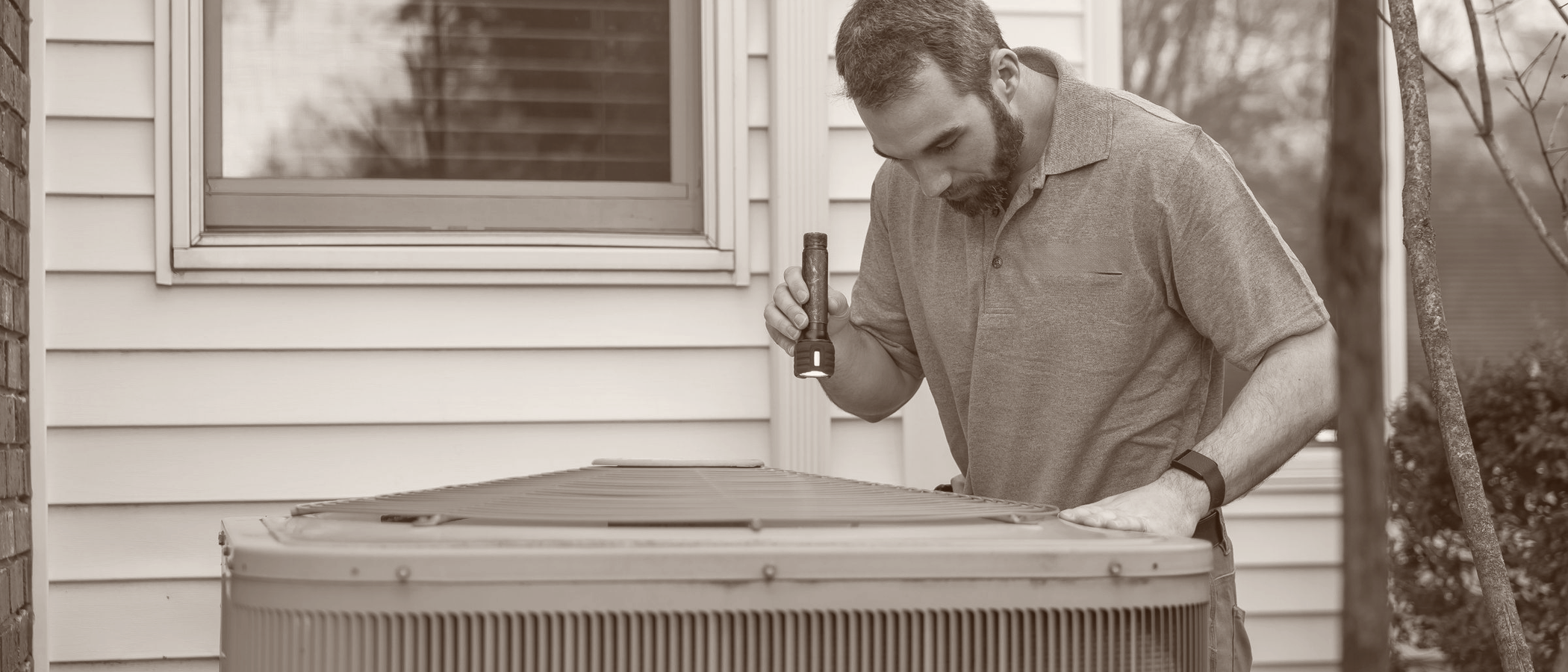
The first 95-degree day of the year does something predictable to an HVAC shop's phones. They light up and stay lit. Systems that limped through spring finally quit, older customers get scared, and every caller is convinced their problem needs a truck in the next hour. Your team cannot send everyone a truck in the next hour. The job of intake is to figure out, fast and fairly, who actually needs one.
This is a playbook for that rush. It covers the questions that sort a no-cooling call in under two minutes, how to prioritize when the board is full, and why the calls you miss in a heat wave hurt most. It assumes your techs know the equipment. The gap most shops have in summer is not skill in the field. It is the front of the funnel.
Sort the Call in Two Minutes
A no-cooling call is not one problem. It is a dozen different problems that all sound the same when a stressed customer describes them. A tight, consistent set of questions lets whoever answers the phone place the call correctly instead of guessing. Ask these every time, in roughly this order.
Is the system running at all, or running but not cooling? A unit that is completely dead is a different triage than one blowing warm air. This one question splits your call volume in half.
When did it stop, and has it ever done this before? A system that quit an hour ago on the hottest day of the year reads differently than one that has been weak for two weeks.
What is the thermostat set to, and what is it reading? You will talk a surprising number of people through a wrong mode or a dead battery before you ever dispatch. That is a win for everyone.
Is the outdoor unit running? Any ice on the lines or coil? Ice points to low refrigerant or an airflow problem, and it also tells the customer to shut the system off so it can thaw before the tech arrives.
Who is in the home right now? This is not small talk. The answer drives priority, covered in the next section.
Get the address, callback number, and system age. A call that ends without a clean callback number is one you cannot recover if you get cut off.
The point of a fixed script is not to sound robotic. It is that two different people answering two different phones sort the same symptom the same way. That consistency is what keeps a genuinely urgent caller from getting a Thursday slot while a minor complaint gets squeezed in ahead of them.
Prioritize the Vulnerable Households
Not every no-cooling call carries the same risk, and in a real heat wave the difference is not about who is angriest on the phone. Heat is a medical problem before it is a comfort problem, and some households cross that line much faster than others.
Move these to the front of the line:
- Homes with infants or adults over roughly 65. Both groups regulate body temperature poorly and rank highest in every heat-illness statistic.
- Anyone with a heat-sensitive medical condition, or medication or equipment that needs a cool room. Oxygen users and people on certain heart or blood-pressure medications are worth training staff to listen for.
- Homes with no working alternative. A second-floor unit out with a cool downstairs can wait longer than a single-story home where the only system is dead.
- Days under a heat advisory or excessive-heat warning. When the National Weather Service has posted a warning for your area, raise your whole threshold. A house at 88 degrees inside on an advisory day is a different call than the same house in mild weather.
Give your team explicit permission to ask, "Is everyone in the home doing okay in the heat right now?" If the answer raises a flag, that call jumps the queue. If someone sounds genuinely unwell, the right move is to tell them to call 911 or get to a cooling center, not to wait for your truck. An HVAC shop is not an emergency service, but the person answering the phone is often the first to hear that a situation has turned dangerous.
The Calls You Miss Are the Ones That Cost the Season
Here is the hard part of summer, and it has nothing to do with how good your techs are. On the days you most need to answer the phone, you are least able to. Everyone is already on a job, the office is slammed, and the calls stack up faster than anyone can return them.
An unanswered no-cooling call in a heat wave does not wait patiently. The customer hangs up and dials the next shop, and in July the next shop answers. Call overflow is a well-known summer gap across the trade: demand spikes for a few brutal weeks, phone coverage does not, and the overflow walks to whoever picks up. A missed heat-wave call rarely comes back later. It is a customer, and often the maintenance contract and referrals behind them, gone to a competitor in the time it took the phone to ring out.
This is where consistent phone coverage earns its place in the summer plan. Some shops pair their office with an AI receptionist like Answara, which answers calls around the clock and logs each caller's details, address, and system symptoms so an overflow call is captured instead of lost. It does not diagnose the system and it does not replace a tech. It makes sure the person calling at 6 p.m. on a 100-degree Saturday reaches something other than a voicemail box, and that the intake details are ready when your team calls back. You can see how that fits a home-services shop on the AI call handling page.
Build the Playbook Before the Heat Wave
The worst time to design your intake process is in the middle of the rush. Do it now, on a slow week. Write the question script on one page and tape it by every phone. Agree as a team on what counts as a priority household and what to say when someone sounds unwell. Decide in advance how you handle overflow, whether that is a rotating callback duty, an after-hours plan, or a receptionist service, so nobody is improvising at 7 p.m. For more on running the phones through a busy season, the HVAC resources hub collects the rest.
A heat wave tests the front of your shop harder than the back. The shops that come through it are usually not the ones with the best equipment. They are the ones that answered the phone and sorted the calls when everyone else was buried.
FAQ
What questions should my staff ask on every no-cooling call? Keep it to a fixed short list: is the system running or just not cooling, when did it stop, what is the thermostat set to versus reading, is the outdoor unit running, is there ice on the lines, and who is in the home right now. Close by confirming the address, callback number, and system age. A consistent script means every caller gets sorted the same way, no matter who answers.
How do I decide which no-cooling call gets a truck first? Prioritize risk, not volume. Homes with infants, older adults, or anyone with a heat-sensitive medical condition go to the front, especially on days with a posted heat advisory. A home with no working cooling at all outranks one with a single zone out. Train your team to ask whether everyone in the home is doing okay, and to point people toward 911 or a cooling center if someone sounds unwell.
Why do missed summer calls matter so much more than at other times? Because in a heat wave the caller will not wait. If your line is busy or rings out, they dial the next shop, and in peak season that shop answers. Call overflow is a known summer gap across the trade, and a missed heat-wave call usually means the customer and their referrals go to a competitor rather than coming back to you.
Can an answering service or AI receptionist actually help during the rush? It helps with overflow, the calls your team cannot get to because everyone is already working. A tool like Answara answers 24/7 and records the caller's details and symptoms so nothing is lost between the ring and the callback. It does not diagnose the equipment or replace a tech. It keeps the urgent caller from hitting a voicemail box during the hours you are busiest.