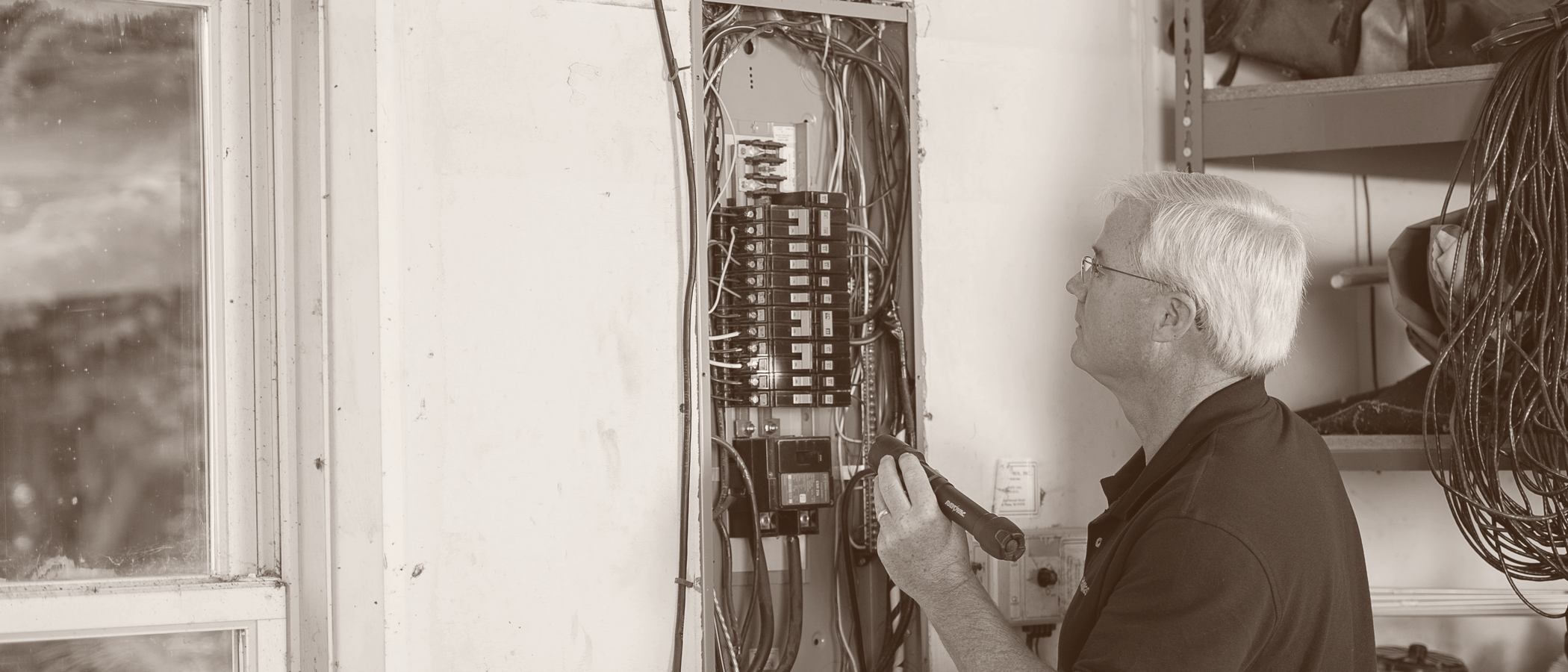
The inspector was in the house for maybe twenty minutes. He pulled the panel cover, looked at two breakers, walked the basement with a flashlight, and left a red tag and a sheet of paper on the workbench. Now the drywall crew is scheduled for Thursday, nobody is allowed to close the walls, and you are standing there reading three lines of handwriting that say something about "double taps" and "no AFCI, bdrm circuits."
Take a breath. A failed electrical inspection is a normal, boring event on most jobs. It is a to-do list, not a verdict on your house. Here is what the paper actually means and what happens between now and a green sticker.
What a correction notice is
The document the inspector leaves goes by a few names depending on where you live: correction notice, deficiency list, red tag, notice of non-compliance. Whatever it is called, it does the same thing. It records the specific items that did not meet the adopted electrical code, and it puts the job on hold until those items are fixed and re-checked.
One thing to understand early: the inspector is not required to find every problem. Inspectors work from a checklist and their own judgment, and they stop writing once they have enough to fail a job. It is common to fix six items, call for re-inspection, and get written up for two new ones nobody mentioned the first time. Frustrating, but that is how the process works. It is one more reason to have your electrician walk the job themselves rather than treating the correction notice as the complete universe of defects.
Also worth knowing: the code is not one national rulebook applied identically everywhere. Most jurisdictions in the US adopt some edition of the National Electrical Code (NFPA 70) and then amend it locally, and they may be running an edition that is several cycles behind the newest one. Your local authority having jurisdiction (the AHJ) has the final say on how a rule is interpreted on your property. When your electrician and the inspector disagree, the inspector wins until someone appeals.
The failures that show up over and over
You do not need to become an electrician to read your correction notice. You just need a rough translation.
Missing GFCI or AFCI protection. Ground-fault circuit interrupter protection is required in wet and damp locations such as bathrooms, kitchens, garages, outdoors, and basements. Arc-fault protection is required for many living-space circuits. Each code cycle has widened where these are required, so a remodel is often held to a stricter standard than the decades-old wiring running right next to it. This is probably the single most common write-up on residential work.
Grounding and bonding problems. A missing ground rod or a loose bonding jumper on a water line means fault current does not have a reliable path back to trip the breaker. Inspectors look hard at this, and they should.
Overfilled boxes. Every box has a cubic-inch capacity, and conductors, devices, and clamps each count against it. Cram six cables into a box rated for four and you get written up. It is not a nitpick. Crowded boxes damage insulation and make bad splices likely.
Wrong breaker for the wire. A 20-amp breaker on 14-gauge wire is the classic. The breaker protects the wire, so an oversized breaker means the wire can overheat before anything trips.
Unsupported or unprotected cable runs. Cable has to be stapled or strapped within a certain distance of boxes and at intervals along the run, and it needs protection where it passes through framing close to the face of a stud. A nail plate that should be there and is not will fail.
Open junction boxes and buried splices. Every splice has to live in an accessible box with a cover. Anything spliced and drywalled over is a defect no matter how neat the workmanship.
Double-tapped breakers. Two conductors under one breaker terminal that is listed for one. Cheap to fix, extremely common in panels that have been added to over the years.
Missing or wrong labels. Panel directories have to be accurate and legible. "Misc" is not a circuit description.
Who fixes what
If a licensed electrician did the work under their permit, the corrections are theirs. That is what the permit and the license mean. You should not be paying extra for a callback to fix a double tap they installed, and a decent shop will not ask you to.
If the failure came from an unpermitted install by a previous owner, a handyman, or the last flipper who touched the place, the money is on you. That is the bad surprise inside many remodel inspections. The inspector fails the new work and the old work in the same visit, because opening the wall put the old work back in scope.
On new construction, the builder owns the correction and their electrical sub does the work. Push the correction notice to the builder in writing and keep the copy.
And you, the homeowner? Realistically, your job is coordination and access. Some jurisdictions do allow a homeowner to pull a permit and do work on a primary residence, but a failed inspection is a poor moment to start learning. Panel work in particular is genuinely dangerous even with the main off, because the service conductors coming in are still live.
Timelines, permits, and money
Everyone wants a number of days. Nobody can honestly give you one, because re-inspection scheduling, permit expiration windows, and re-inspection fee policies are all set locally. Some departments will get someone back out in a couple of days. Some are booking weeks out. Some charge for the second re-inspection but not the first. Call the building department and ask directly.
The one clock worth watching is your permit. Permits expire, usually after a period of inactivity, and they can often be extended if you ask before the deadline rather than after. A permit that lapses mid-project can mean re-applying, re-paying, and in some cases being held to a newer code edition than the one you started under. Do not let it drift.
Do not close walls before the rough-in passes. If drywall goes up over failed work, it comes back down.
What to ask your electrician
- Which items are on your work and which are pre-existing conditions in the house?
- Is the correction covered under the original contract, or are you billing me?
- Did you walk the whole job for anything the inspector did not list?
- Who calls for the re-inspection, and will you be on site to meet the inspector?
- If you disagree with a call, are you appealing it or just complying?
That last question matters more than it sounds. There are calls worth contesting, and an electrician who knows the code and has a working relationship with the local inspector can sometimes resolve a disputed item with a phone call. There are also calls where the right answer is to fix it and move on.
The part electricians quietly dread
Sitting on a homeowner's failed inspection while the phone in your truck rings eight times is its own kind of stress. Correction work is unbilled or barely billed, it happens on the inspector's schedule rather than yours, and every hour spent chasing it is an hour of new calls going to voicemail. Missed calls are a real leak for small home-services shops, and they leak hardest exactly on the days a crew is stuck redoing something.
That is where Answara fits. It is an AI voice receptionist that answers when the crew is in a crawlspace with an inspector, takes the details, and books the job into the calendar. If you run an electrical shop and re-inspection days keep eating your callbacks, the electrical resources hub has more on how other contractors handle it.
For the homeowner reading this with a red tag on the panel: get the list translated, find out who owns each line, and get the re-inspection on the books before the permit clock does anything interesting.