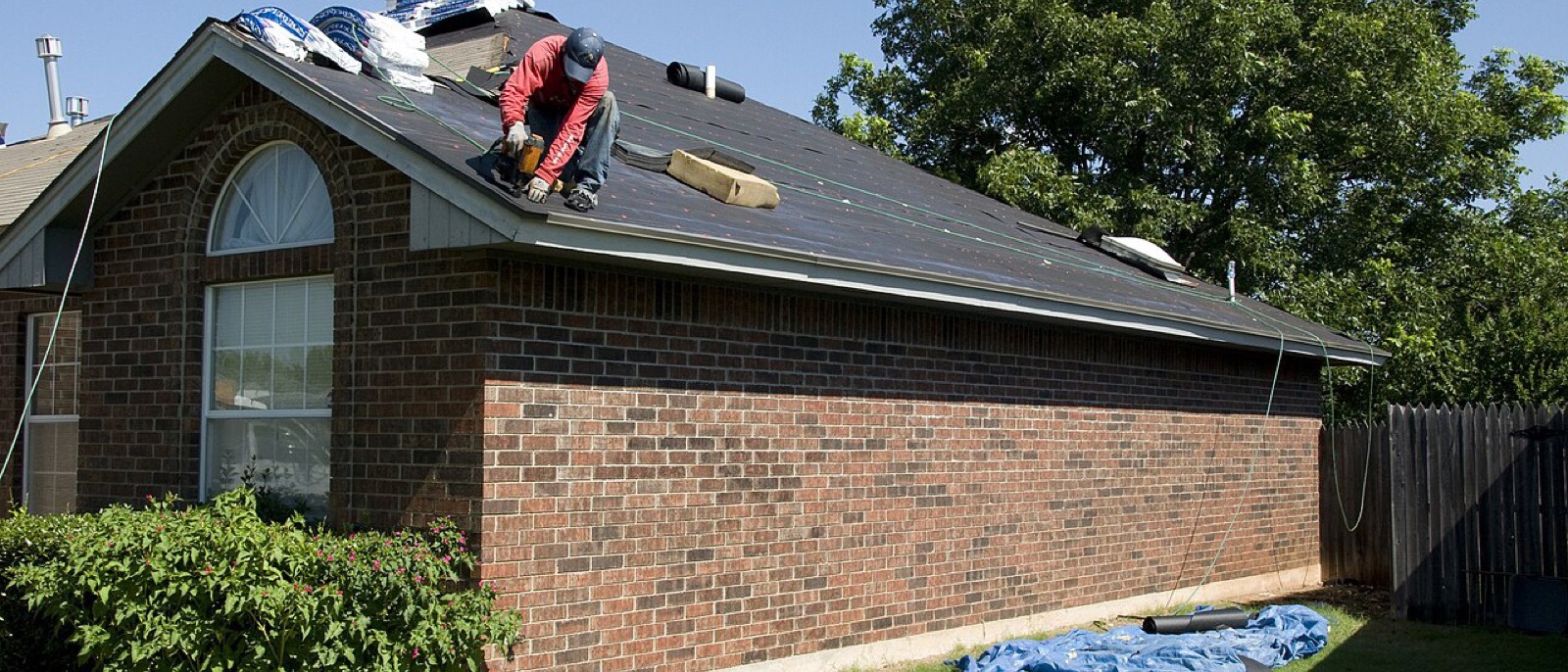
The hail comes through on a Tuesday afternoon and by Wednesday morning the phone will not stop. A single storm can turn a normal week into a wall of calls, most of them saying some version of the same thing: my roof got hit, my neighbor already filed, when can someone come look at it. Every one of those callers is a possible inspection, and every one of them is also calling three other roofers.
The hard part of a storm claim is not the inspection itself. It is the scramble around it. The intake, the adjuster coordination, the callbacks that pile up faster than anyone can return them. This guide walks through how to schedule claim inspections when call volume spikes, what to capture on the first call, and how to keep overflow from turning into a homeowner who moved on.
Why Storm Claims Break Normal Scheduling
A regular repair call has a rhythm. Someone calls, you book a slot, you show up. A storm claim does not work that way, because a third party is in the middle of it. The homeowner has to file with their carrier, an adjuster has to be assigned, and your inspection often needs to line up with the adjuster's own visit so you are both on the roof looking at the same damage.
That means your schedule is not just your schedule anymore. It bends around insurance timelines you do not control. Meanwhile the volume is unlike anything a normal week produces. A hailstorm across one zip code can generate weeks of inspections in a couple of days, and the calls do not arrive politely spaced out. They come in a flood, often after hours, often while your crews are already on ladders and nobody is free to answer.
Post-storm overflow is a known gap in this trade. A storm-surge call that rings out leaves a homeowner waiting, and a waiting homeowner is one tap away from the next roofer on their list. The scheduling problem is really an intake problem wearing a scheduling costume.
Capture the Claim Details on the First Call
The single biggest time sink in claim work is calling people back to ask for things you could have gotten the first time. Every callback is a game of phone tag, and during a surge you do not have the hours for it. Build a fixed intake list and get it filled on the first contact, every time.
Here is what to capture before that first call ends:
- Homeowner name, address, and best callback number. The property address matters as much as the name, because storm work clusters by neighborhood and you want to route crews efficiently.
- Insurance carrier. State Farm, Allstate, Farmers, and so on. It tells you which claims process you are dealing with.
- Claim number, if the homeowner has already filed. If they have not filed yet, note that, because your first job may be walking them through it.
- Adjuster name and direct contact, if one has been assigned. This is the detail most often lost, and the one that costs the most when it is missing.
- Date of loss. The day the storm hit. Carriers key everything to this date, and it affects filing deadlines.
- Type of damage reported. Hail, wind, a tree limb, a visible leak. Rough is fine. It helps you triage which inspections cannot wait.
Get those six things and an inspection can be scheduled cleanly, with your crew and the adjuster pointed at the same roof on the same day. Miss the adjuster contact or the date of loss and you are back on the phone tomorrow, burning a slot you did not have.
Scheduling Logic for a Surge
When the board fills up faster than you can work it, guessing at order does not hold. A few rules keep the surge sane.
Triage by damage and by weather exposure first. A roof with an active leak or exposed decking moves ahead of cosmetic hail granule loss, because water is doing more damage every day it sits open. A quick tarp visit may need to jump the line entirely.
Batch by neighborhood second. Storms hit in clusters, so five inspections on the same three streets should ride together instead of scattering a crew across town. Tight routing is how you fit more inspections into the same daylight.
Then align with the adjuster calendar. Where you can, book your inspection to overlap the adjuster's visit so you are both documenting the same damage in real time. That overlap cuts disputes later and saves a second trip. When an overlap is not possible, get your inspection and documentation in ahead of the adjuster so your findings are on record.
Finally, hold slots back. Keep a couple of daily inspection windows open for the calls that have not come in yet, because they will. A fully booked board with zero give means the next urgent leak has nowhere to go.
Handling Overflow So Nobody Is Left Waiting
You can run perfect intake and smart routing and still lose people at the one point you cannot staff your way around: the phone at 8 p.m. after a storm, when every line is busy and the office is closed. That is where claims quietly leak out the bottom.
This is the spot where consistent phone coverage earns its keep. Some roofing companies pair their team with an AI receptionist like Answara, which answers calls 24/7 and logs the caller's details along with the claim and adjuster information so nothing is lost in a storm surge. It does not schedule your crew and it does not replace your office staff. It makes sure the 9 p.m. hail caller reaches something other than a voicemail box, and that the carrier, claim number, adjuster contact, date of loss, and damage type are written down and waiting for your team in the morning instead of gone.
For more on how coverage and intake fit together for roofers, see the roofing resources hub. If you want to see how call handling and booking connect, the scheduling features page walks through it.
FAQ
What information should I collect on the first storm-claim call? Homeowner name and property address, best callback number, insurance carrier, claim number if filed, adjuster name and direct contact, date of loss, and the type of damage reported. Getting all of it on the first call is what keeps you off the phone chasing details tomorrow, which matters most when volume spikes.
Should my inspection happen before or during the adjuster's visit? When you can, line your inspection up to overlap the adjuster's visit so you are both looking at the same damage and documenting it together. That overlap reduces disputes and saves a second trip. When an overlap is not possible, get your inspection and photos in ahead of the adjuster so your findings are already on record.
How do I decide which inspections go first after a storm? Triage by active damage first, so leaks and exposed decking beat cosmetic hail loss. Then batch inspections by neighborhood to keep routing tight, and align with adjuster calendars where you can. Hold back a couple of daily slots for urgent calls that have not arrived yet.
What happens to storm calls that come in after hours? It depends on your setup. Without coverage, an after-hours call often rings out and the homeowner calls the next roofer. Some companies use an answering service or an AI receptionist that answers around the clock and records the caller and claim details so the team can follow up first thing, instead of starting the day with a full voicemail box and missing names.