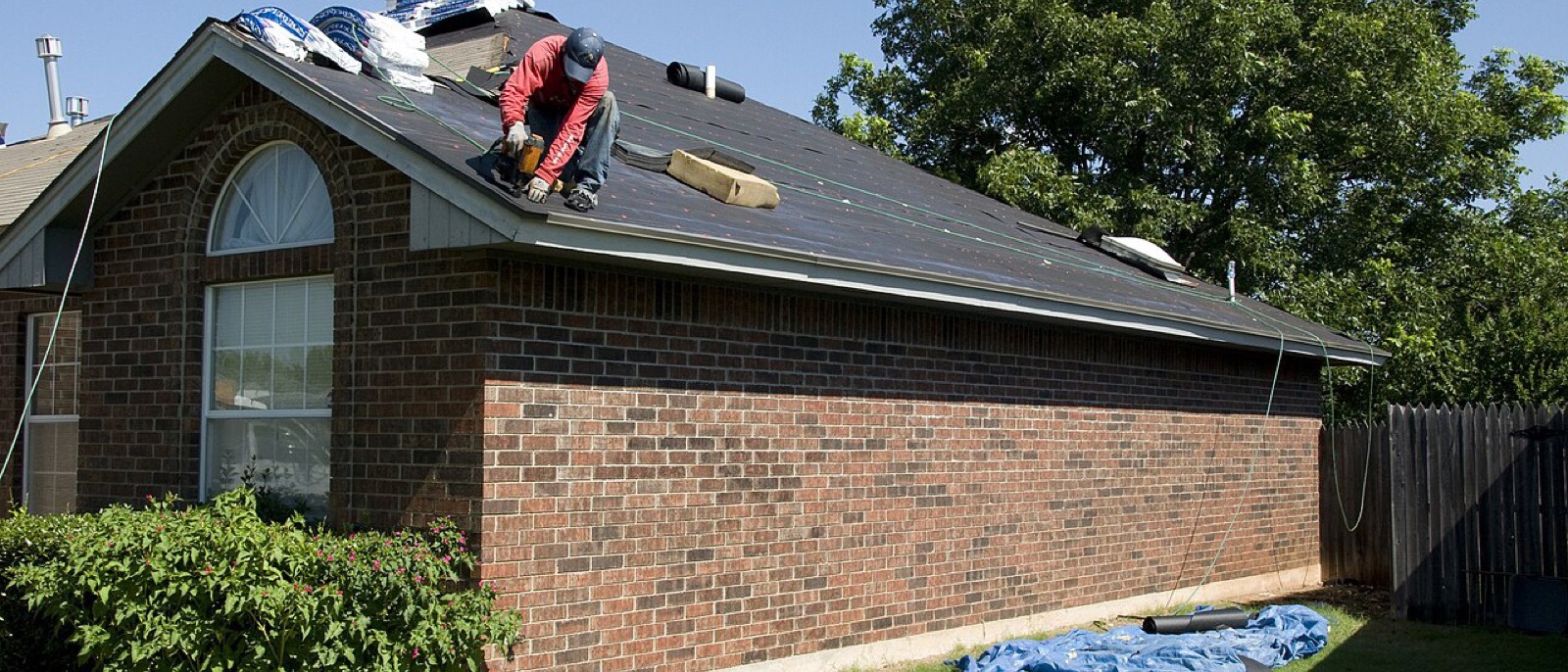
Wind and hail are the most common reason a homeowner files on their property. The Insurance Information Institute, citing ISO data, puts wind and hail at 42.5% of homeowners insurance losses by cause in 2023, and estimates that about one in 36 insured homes has a wind or hail claim in a given year. Concentrate that into one county on one afternoon and you get the roofing phone problem: a year's worth of claims arriving over about 72 hours.
Most roofing offices respond to that by trying to talk faster. The better lever is what each call actually collects before it ends.
A storm call that ends with a name and a number is a call you have to make again. A storm call that ends with an address, a damage type, a carrier, a safety read, and three photos in your inbox is an inspection you can schedule, route, and prepare for without touching the phone a second time. During a surge, that difference compounds across every call in the queue.
Why the first call carries so much weight
In a normal week a roofer can afford a discovery call and a follow-up. The homeowner with a missing ridge cap is not going anywhere, and a callback tomorrow still books the job.
A storm week removes that slack in both directions. The homeowner is calling several roofers in a row, so a slow callback often finds the job already gone. And your own callback capacity collapses at exactly the moment you need it, because the office is fielding new inbound calls all day. Every detail you failed to capture the first time becomes a callback you now have to fit between forty other calls. That is the trap. The intake shortcuts you take on Tuesday to get through the queue are what clog Wednesday.
So treat the first call as the only call. Assume you will not get a clean second conversation before the inspection.
The five fields worth building the call around
Plenty of things are nice to know. These five change what you do next.
1. The property address itself
Address first, because storm work clusters geographically and routing is most of your efficiency during a surge. Five inspections on the same three streets ride together. The same five scattered across a metro burn a day.
Get the property address specifically. The billing address, the mailing address, and the damaged roof are not always the same building, which matters for rental property and for owners who evacuated. Ask whether the caller is the owner too. A tenant can describe a leak accurately but cannot authorize work or file the claim.
2. Damage type in the homeowner's own words
You are not asking for a diagnosis. You are asking for enough to triage.
Hail, wind, a fallen limb, a visible leak, missing or lifted shingles, dented gutters or vents. Rough categories are fine, and the homeowner's phrasing is often more useful than a clean label. "There's a wet spot on my daughter's ceiling that keeps growing" tells you more about urgency than "water damage" does.
Two follow-ups earn their place. Ask whether water is currently coming into the house, which separates a tarp call from an assessment. And ask for the date of the storm, because carriers key filing deadlines to the date of loss, and in a bad season there may have been two events three weeks apart.
3. Insurance carrier and where they are in the process
Ask which carrier, whether they have filed yet, and whether an adjuster has been assigned.
Those three answers sort callers into different workflows. A homeowner who has not filed needs a different conversation than one with a claim number and an adjuster visit already on the calendar. If an adjuster is assigned, capture that name and direct line while you have the homeowner on the phone. It is the detail most often skipped at intake and the most expensive one to chase later, because it usually means aligning two calendars you do not control.
If they have not filed, note it and move on. Walk them through filing at the inspection, not on a surge-day intake call.
4. Safety risk, asked directly
This is the field most intake scripts leave out, and the one with real consequences.
Ask plainly whether anything looks unsafe: sagging ceiling or a bulging drywall bubble, water running near light fixtures, an outlet or panel, a visibly displaced or collapsed roof section, or downed lines anywhere on the property. Water pooling above a ceiling is heavy and it comes down all at once. Water reaching electrical is a call to make before it is a roof job.
Then tell the caller not to get on the roof. Storm-damaged decking can be soft in places that look fine from a ladder, and a homeowner trying to be helpful by tarping their own roof in the wind is a genuinely dangerous outcome of a call you took. If they have downed power lines, that is a utility call and an emergency call first, and your inspection comes after.
Flag the answer in the record so it survives the handoff. A safety note that lives only in the memory of whoever answered the phone is not a safety note.
5. Photos from the ground, requested while they are still on the line
Ask the homeowner to text photos to your intake number before you hang up, while the request is concrete and they are already thinking about it. Asked later by email, it mostly does not happen.
What to ask for: a wide shot of the house from the street, closer shots of any visible roof damage from ground level, interior photos of any staining or active leak, and shots of the gutters, downspouts, and any dented metal like vents or flashing. Hail bruising is famously hard to see from the ground, so the collateral metal damage is often the more legible evidence at this stage.
Two things to say out loud with the request. From the ground only, no ladders and no roof. And take them now if it is safe to, because carriers care about documentation close to the date of loss, and a tarp going on later covers the very thing the photos need to show.
Ground photos will not carry a claim on their own, and your inspection is still what produces real documentation. What they do is let you triage accurately before you send a crew, and sort an active structural problem from cosmetic granule loss without a truck roll.
Making the same five fields land on every call
A script only helps if it survives peak volume. The failure mode is predictable: intake holds for the first day, then the queue backs up and calls start ending at "name and number, we'll call you back."
A few things keep it intact.
Write the fields down where the phone is, in the order you want them asked. Order matters more than people expect, because address and safety early let you triage a call even if the caller hangs up midway.
Decide in advance what happens on the fourth ring. Voicemail is the slowest option available and storm callers rarely leave enough to act on. Route overflow to something that answers: a second handset, a briefed answering service, or an automated receptionist.
Then make the capture uniform regardless of who or what picks up. This is the part storm season punishes. An intake taken by your office manager, your seasonal helper, and your after-hours coverage should produce the same five fields in the same shape, because a message slip that says "hail, will call back" is indistinguishable from a lost lead by Thursday morning.
Tools like Answara sit in that overflow slot and ask the same storm questions every time, including the safety check and the photo request, then hand your team a structured record instead of a callback list. An answering service does the same job if the operators are briefed on your actual fields rather than generic message taking. The call handling and scheduling pages cover how intake connects to a bookable calendar, which is what closes the loop from a 9 p.m. hail call to an inspection slot.
Whatever fills the slot, the standard is the same. Nobody hangs up leaving you a research project.