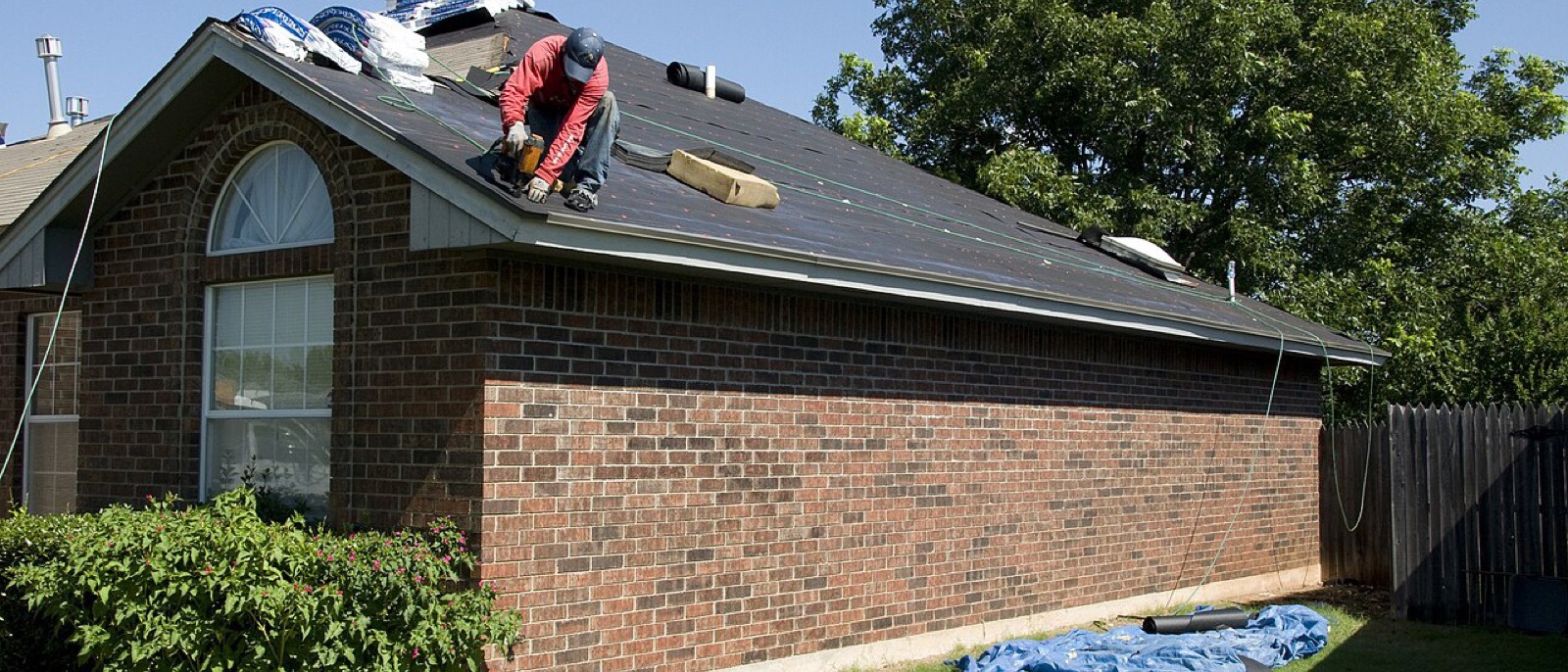
It is the second week of August. A hail line came through three weeks ago, your board is booked out five weeks, and the phone rang forty times yesterday. Maybe eight of those calls were new work. The rest were people you already sold, calling to ask the same question: when are you actually coming?
That is the part nobody warns you about in a busy season. Selling the job stops being the hard part. Holding onto the customers you already sold becomes the hard part, because a homeowner who signed a contract in July and has heard nothing since starts to wonder whether you forgot about them. Some of them cancel. Some of them call a competitor who says they can be there Thursday. The backlog itself turns into a service problem, and the only tool you have against it is the phone.
Give the Real Number on the First Call
The most expensive thing a roofing office can say in peak season is "a couple of weeks." Nobody hears a range. They hear the shortest end of it, and then they start counting from the day they signed.
Say the real lead time out loud, on the first call, before the deposit. If the crew calendar says the third week of September, say the third week of September. Add the reason, because the reason is what makes the number believable: "We are running about five weeks right now. We had a big storm through the north side and we are working those in order." A homeowner who understands why the wait exists is far more patient than one who just heard a vague promise.
Then set the expectation about weather, because that is where most of the friction comes from later. Something like: "That date can move a few days either way. We do not tear off a roof if there is rain in the forecast, and when we push one job the ones behind it shift too. If yours moves, you will hear from us before the date, not after it." That last sentence is the promise you have to keep. Everything else in this article is about keeping it.
The Weather-Hold Callback
Rain moves in on a Tuesday. You pull three crews off, and eleven jobs shift. If those eleven homeowners find out by waiting at home for a truck that never shows, you have created eleven angry phone calls and probably one review.
The call has to go out the afternoon before, not the morning of. It is short and it follows the same shape every time:
"Hi, this is Dana at Ridgeline Roofing calling about your tear-off scheduled for tomorrow, Wednesday the 14th. We are seeing rain from about ten in the morning through the evening, so we are moving you rather than opening the roof up and getting caught. Your new date is Friday the 16th, crew arrives between 7 and 7:30. Nothing changes on your end, and nothing changes on price. If Friday does not work for you, call us back today and we will find another slot. If I do not hear from you, we will see you Friday."
Four things make that script work. It names the original date so the customer knows you are tracking their job specifically. It gives the reason. It gives a new date immediately instead of saying "we will call you back with a new date," which is the sentence that generates the next three calls. And it names what did not change, since price is the first thing people worry about when a job moves.
If you genuinely cannot give a new date because the forecast is unsettled, say when you will know. "I will have your new date by Thursday afternoon and I will call you then." Then call on Thursday afternoon whether you have good news or not.
A Standing Update Cadence Kills the Status Calls
Most inbound status calls exist because the customer has no idea what is supposed to happen next. Fix that with a fixed rhythm and the volume drops on its own.
A cadence that holds up through a busy season looks like this. A confirmation call within twenty-four hours of the signed contract that repeats the lead time and the target week. A check-in every two weeks while the job sits in the queue, even when nothing has changed, because "nothing has changed, you are still on for the week of the 15th" is a perfectly good update. A materials call when the shingles are ordered or delivered, because that is the first thing that feels real to a homeowner. A confirmation call three days before the crew date with arrival time, dumpster placement, and where they should move their cars. Then a call the day after completion.
The two-week no-news call is the one people skip and the one that does the most work. It costs ninety seconds and it prevents the customer from constructing their own story about being forgotten.
Active Leaks Come Before Replacements
In peak season you will get calls from people with water coming through a ceiling while you have forty replacements queued. Those are different jobs and they belong on different tracks.
An active leak gets a tarp or a temporary repair, and it gets scheduled in days, not weeks. Your intake question is simple: is water coming in right now? If yes, that call goes to whoever handles emergency dispatch, and the questions are about how much water, which room, whether there is a ceiling sagging, and whether anything electrical is near it. Full replacements queue in the order they were sold.
Say the two-track system out loud to the replacement customers, because they will otherwise see a truck at a neighbor's house and assume they got skipped. "We keep one crew free for active leaks. If yours starts leaking before your date, call us and we will get someone out to stop the water. Your replacement date does not change."
One line to hold: your office talks about roofs, not about insurance coverage. Document the damage, give the homeowner photos and a scope, and let the carrier and the adjuster make coverage decisions. Telling a customer on the phone that something "will be covered" is a promise you have no authority to make.
When a Job Slips Twice
The first delay is weather and people forgive it. The second delay is where you lose them, and it needs a different call from a different person.
The owner or the production manager makes that one. Do not send it to voicemail and do not send a text. Lead with the apology, be specific about the cause, give a firm date rather than another range, and offer something concrete. That might be moving them to the front of the next available crew day, or scheduling them as a first-thing morning start instead of a maybe-in-the-afternoon. Then write their name somewhere you will see it every morning, because a third slip on the same job ends the relationship.
If the honest answer is that you cannot get to them for another three weeks, say that, and let them decide. Some will wait. The ones who leave were going to leave anyway, and they leave with less anger when you were straight with them.
None of this is complicated work. It is just a lot of outbound calls landing on an office that is already fielding storm inquiries, supplier calls, and adjusters, which is why the update cadence is usually the first thing to fall over in July. An AI receptionist can pick up the inbound status calls when the office phone is stacked three deep, and it can answer the after-hours leak call that would otherwise sit in voicemail until morning. The homeowner still gets a real answer about their date. Your production manager still gets to run the board.