A real estate agent calls at 4:40 on Friday. The buyer's inspection period ends Tuesday, the house has two fireplaces, and the general home inspector recommended a chimney specialist. The first question should be about the deadline. The second should be about the systems at the property.
Pre-sale chimney inspection calls need tighter intake than routine sweep requests. Confirm who is hiring the company, which fireplaces and appliances are present, what inspection was requested, when the written report is needed, and who can provide access. Then let the inspector determine findings on site. The office can schedule and explain scope, but it should never promise that a chimney will pass or that a report will satisfy a lender, insurer, buyer, or local authority.
Start with the real estate deadline
"We close next month" sounds comfortable. It may hide a much earlier deadline in the purchase agreement. Ask for the date and time by which the client needs the inspection completed, then ask when the report must be delivered. Those can be different dates.
A buyer may have only a short inspection period in which to review the property, obtain specialist opinions, and decide how to proceed under the contract. A seller preparing to list usually has more room. Someone already under contract does not.
Capture the transaction stage in the call record:
- Preparing to list, listed, under contract, or responding to a prior report
- Inspection deadline and requested report date
- Scheduled closing date, if known
- Buyer, seller, agent, property manager, or another party requesting service
- Person responsible for payment and person authorized to approve extra work
Do not say, "We can get this handled before closing" unless your schedule and report process support that exact promise. Book against the inspection deadline. If the available appointment falls after it, tell the caller before collecting payment or confirming the visit.
Confirm the inspection scope before offering a slot
The phrase "chimney inspection" can refer to different work. A routine visual inspection for a system under continued use is not the same appointment as a real estate inspection that includes accessible areas and internal video scanning.
NFPA 211, the standard covering chimneys, fireplaces, vents, and solid fuel-burning appliances, identifies sale or transfer of property as a circumstance for a Level II inspection. The NFPA 211 standards development material describes that inspection level and circumstance. Your office should use the service names and scope approved by your chimney professional, current standard, insurer, and local requirements.
A Level II inspection generally includes the parts covered by Level I plus accessible portions of the chimney exterior and interior, including areas reached through attics, crawl spaces, and basements. It also includes examination of flue interiors by video scanning or another suitable method. The Chimney Safety Institute of America's Level II masonry fireplace procedure shows how much more detailed the field work is than a quick look at a firebox.
Train the receptionist to ask what the client, agent, home inspector, or contract calls for. If the caller says only "a certification" or "a fireplace check," request the wording from the document or email. Do not translate an unfamiliar requirement into your preferred service package over the phone. Flag it for review.
Count every fireplace, appliance, chimney, and flue
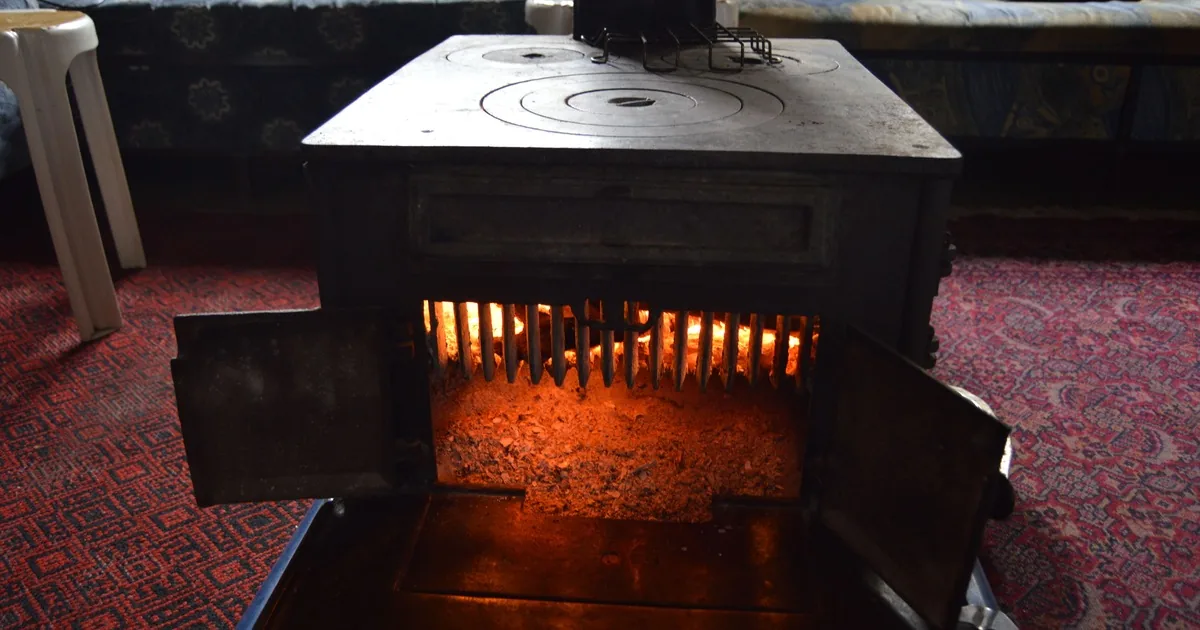
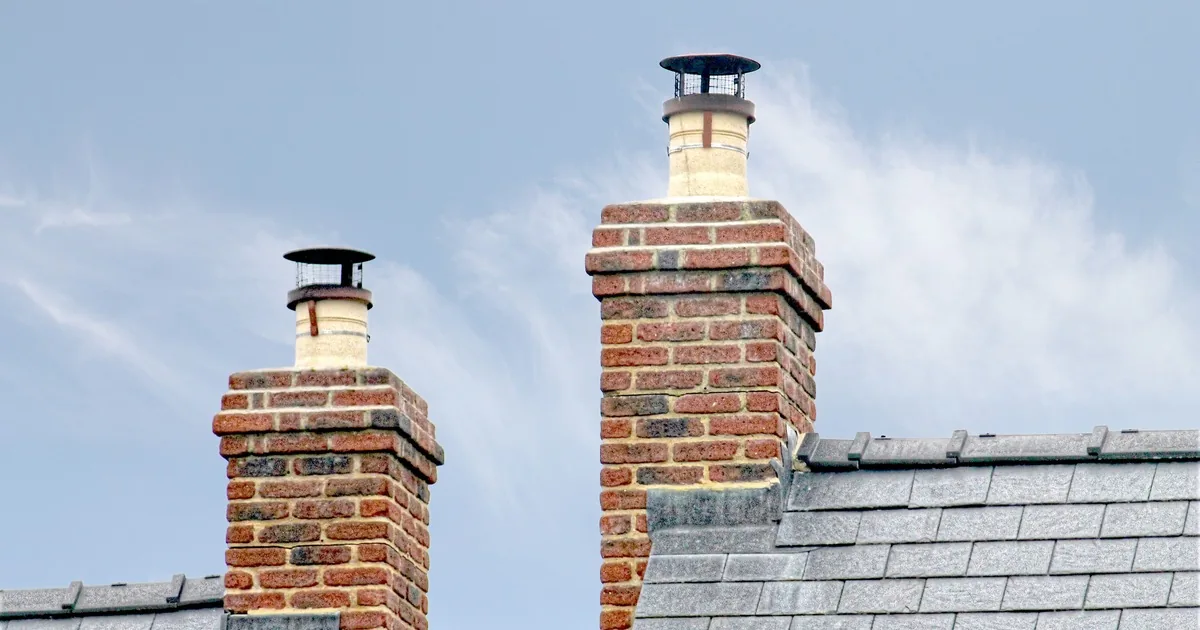
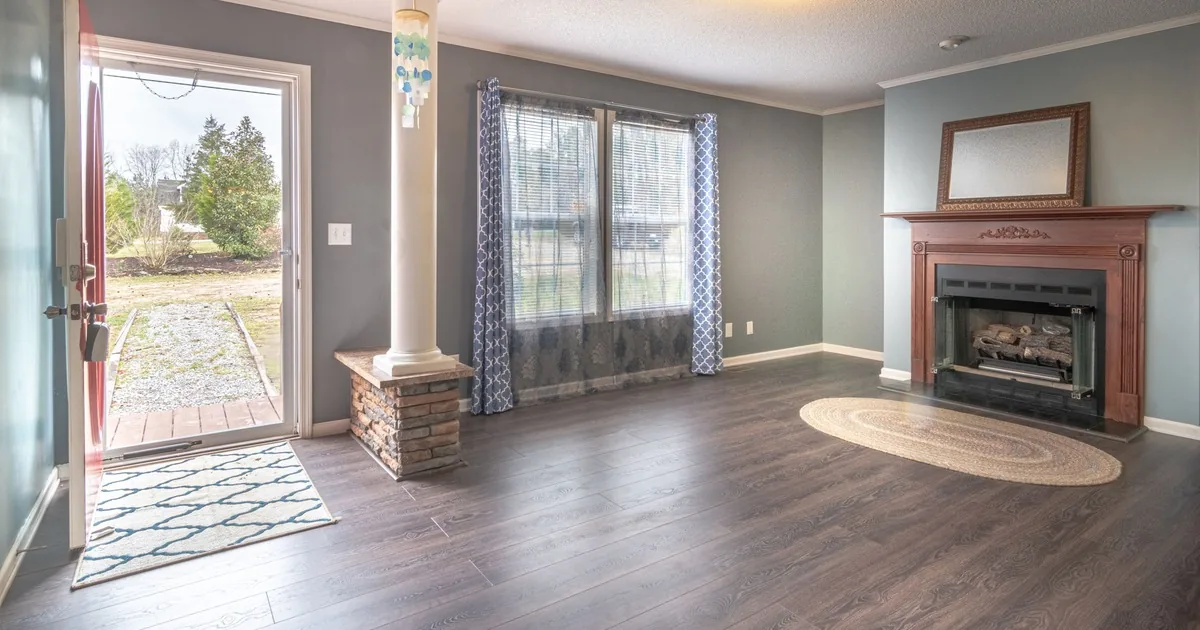
A photograph of one brick chimney above the roof does not settle the scope. That chimney may contain more than one flue. A house may also have a fireplace in the living room, a basement wood stove, and a furnace vent that the caller forgot to mention.
Ask the caller to walk through the property description carefully. Useful questions include:
- How many fireplaces, wood stoves, pellet stoves, inserts, or other vented appliances are present?
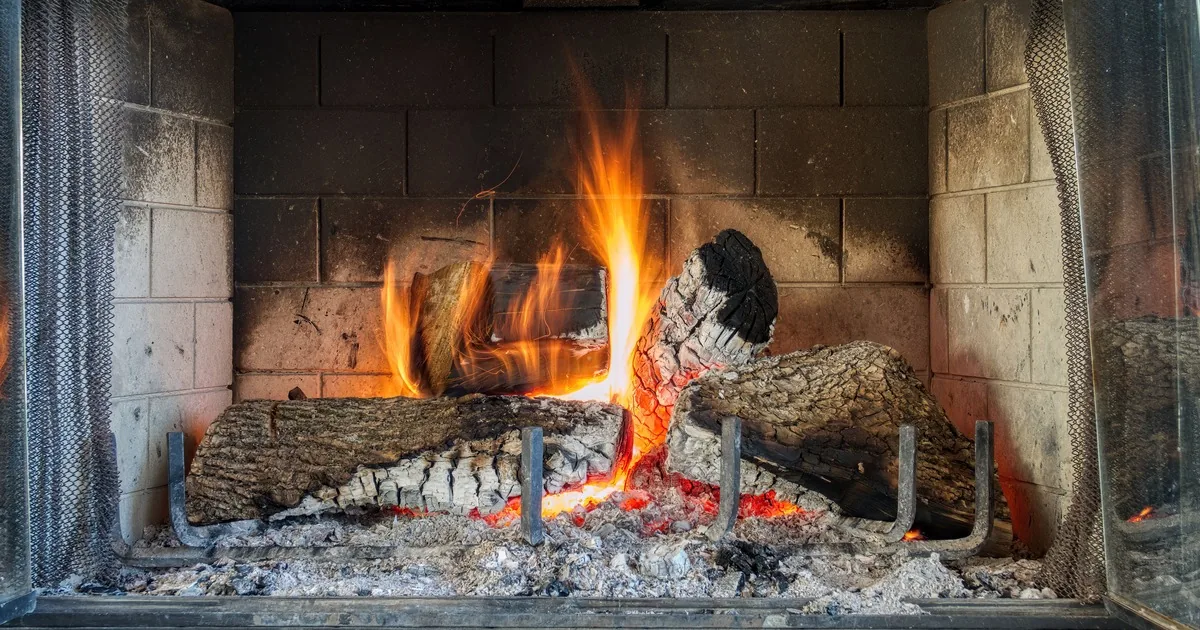
- Are any fireplaces gas-fired, wood-burning, sealed off, or described as decorative only?
- How many chimney structures are visible outside?
- Does a chimney also vent a furnace, boiler, or water heater?
- Is there a basement, attic, or crawl space that the technician may need to enter?
- Has any appliance been removed, converted, relined, or replaced?
- Is there a known chimney fire, storm event, water leak, smoke problem, or prior repair?
- Did a home inspector or previous chimney company identify a concern?
These answers help the shop reserve a suitable appointment and bring the right inspection equipment. They are not a remote diagnosis. Record "seller reports water staining beside upstairs fireplace." Do not turn that observation into "flashing leak." The technician needs to determine the source.
Explain why the general home inspection may not settle it
Callers sometimes push back because a home inspector already visited. Explain the difference without criticizing that inspector.
InterNACHI's Home Inspection Standards of Practice describe a general home inspection as a non-invasive visual examination of accessible areas. Its fireplace section says a home inspector is not required to inspect the flue or vent system, inspect chimney and flue interiors, perform an NFPA-style inspection, determine draft adequacy, or dismantle components.
That boundary gives the office a plain answer: a general inspection can identify visible conditions and recommend specialist review, while the chimney appointment examines the venting system within the booked scope. Avoid saying the home inspector "missed" something merely because the report recommends a specialist. Referrals are part of a careful inspection process.
If the caller has the report, ask them to send the relevant pages and photographs before the appointment. The chimney inspector still conducts an independent inspection, but prior notes can identify the fireplace involved and the concern that prompted the call.
Set access expectations while everyone is still reachable
Real estate properties create access problems that owner-occupied service calls rarely do. The buyer may be hiring you, the seller may still live in the house, and an agent may control the lockbox. Nobody on the call may be at the property when the technician arrives.
Confirm the full address and unit number. Get the access contact's name and mobile number. Ask whether entry will be through a lockbox, an agent, the seller, a tenant, or property management. Record alarm instructions through your company's secure process. Never place door codes or alarm details in a casually shared note.
The client should know that accessible does not mean "somebody can open the front door." The inspector may need safe access to fireplaces, mechanical rooms, cleanout doors, an attic, a crawl space, the chimney exterior, and the roof area when conditions permit. Furniture, stored boxes, locked rooms, pets, snow, rain, roof condition, or unsafe ladders can limit the inspection.
Ask for fireplaces to be cool and free of ashes according to your company's preparation policy. Request that fragile decorations and personal items be moved away. If the property has tenants, the caller should arrange required notice and permissions. Your receptionist should not interpret a lease or decide whether a buyer has a legal right to enter.
Promise a report process, never an outcome
A caller may ask, "Will it pass?" before the appointment is booked. The correct response is simple: the inspector must examine the system before reporting its condition. No one at the office should imply that a clean chimney will receive a clean report, that every defect can be repaired before closing, or that a buyer must accept the findings.
Explain what your company actually delivers. State whether the client receives a written report, photographs, video stills, repair recommendations, or a separate estimate. Identify the normal delivery method and the deadline your team has accepted for this job. Say who receives the report. Seller permission, client agreements, and company policy may limit who can discuss or distribute it.
Keep repair approval separate from inspection findings. If the inspector discovers a condition that warrants repair, the office can explain the estimating process after the report is issued. Do not let an agent pre-authorize an undefined repair unless that person has documented authority and your company has a procedure for it.
Questions about code compliance, insurance acceptance, lender requirements, or contractual consequences deserve the same restraint. The inspector can report observed conditions and the standards within the agreed scope. The relevant authority decides whether the report satisfies its requirement.
Build a handoff that protects the appointment
The appointment note should let the technician understand the transaction before pulling into the driveway. Include the client and payer, property access contact, systems reported, requested inspection level, prior concerns, deadline, report recipient, and any safety or access limitations.
Read the important parts back to the caller:
"I have a Level II real estate inspection requested for the living-room masonry fireplace and basement wood stove at 18 Oak Street. Maria Lopez is the buyer and client. Agent Devon Reed will provide lockbox access. The inspection is Tuesday morning, and the written report is due to Maria by Thursday at noon. The prior home inspection pages will be emailed today."
That read-back catches the expensive errors: one fireplace omitted, the wrong property entered, an agent mistaken for the client, or a report promised after the buyer's deadline.
An AI receptionist can capture these details after hours and route deadline conflicts for human review. The shop still owns the service definitions, access rules, and promises in the script.
Before confirming the next real estate inspection, open the appointment note and look for four things: the exact deadline, every vented system, the person opening the property, and the named report recipient. If one is blank, the call is not finished.