The sweep is due at 9 a.m. The homeowner used the stove late the night before, the hearth is ringed with firewood baskets, a dog gate blocks the side entrance, and the appointment note says only “chimney cleaning.” Nobody knows whether the booking covers the stove in the den or the open fireplace upstairs.
A useful preparation message fixes those problems before the van arrives. Name the appliance and flue being serviced. State your company’s cutoff for appliance use. Ask for a clear route and work area, secure pets, confirm parking and any building access, and gather prior reports. Tell the customer to leave disassembly, roof access, heavy moving, and uncertain ash handling to the technician.
Identify the booked appliance and flue
Preparation starts with one sentence: “This appointment is for the wood stove in the first-floor den and the chimney connected to it.” That sentence prevents the technician from arriving at a house with three fireplaces and no clear scope.
Record the appliance type in ordinary language. Is it an open masonry fireplace, factory-built fireplace, freestanding stove, insert, furnace, boiler, or water heater? What fuel does it use? Which room is it in? Does another appliance appear to enter the same chimney? Ask for a wide room photo and a safe photo of the model label when company policy calls for them.
The wood-stove cleaning intake guide covers system identification in more detail. Use it when the customer cannot tell which connector, liner, or chimney serves the stove. Appointment preparation should refer to the system already selected, not reopen the call as a vague “check everything” visit.
Confirm what the visit includes. A sweep, routine inspection, camera inspection, estimate, repair consultation, and post-event evaluation are different scopes. If the reason for the appointment changed after booking, send it for review. A customer who now reports a chimney fire, smoke entering the room, a sounding carbon monoxide alarm, or falling masonry should not receive the ordinary reminder and wait for the calendar slot.
Send the company’s cooling rule in plain language
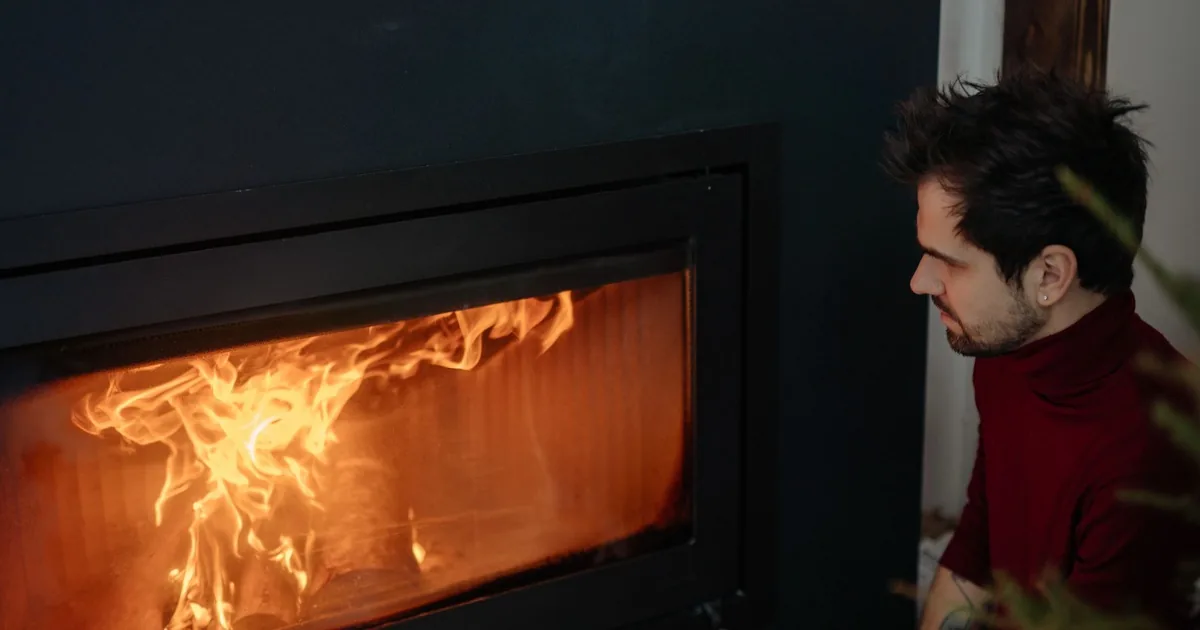
The appliance must be fully out and cool before anyone begins work. HETAS advises letting the fire go out completely the day before cleaning and avoiding use for several hours before the visit. That guidance supports the safety boundary, but it is not a universal script for every company or system.
Use the cutoff your technical lead has approved. Give a clock time when possible: “Do not use the den stove after 6 p.m. on Tuesday for your 9 a.m. Wednesday appointment.” A specific time is easier to follow than “let it cool beforehand.” Explain what the customer should do if the appliance was used after the cutoff: call the office before the technician travels. Do not invite the caller to decide that the firebox feels cool enough.
Ask about every way the system may still be hot. Are embers present? Was an automatic pellet appliance running? Is a gas appliance using the same area? Has ash been moved recently? If the answer conflicts with company policy, route it to the technical team. Reception should not shorten the cooling period to save the slot.
Avoid casual ash instructions. HETAS suggests clearing an ash pan and the area around a stove before the visit, while NACS says the sweep may ask the customer to clear fuel, ash, or rubbish. The operative word is “may.” Tell customers what your company expects. If ash could be warm, the customer is unsure, or removal requires opening or lifting appliance parts, leave it alone and notify the office.
Protect the work zone and equipment route
A chimney sweep carries rods, brushes, a vacuum, floor protection, inspection equipment, and hand tools. The route from the chosen entrance to the appliance matters as much as the square feet beside the hearth.
NACS advises customers to provide a clear passage and adequate work space, with ornaments removed from the hearth and mantel when requested. Translate that into the actual room. Name the entrance. Mention stairs, narrow halls, sharp turns, low ceilings, pale carpet, fragile flooring, and doors that lock automatically. Ask the customer to move shoes, toys, small tables, loose rugs, and breakable décor out of the path.
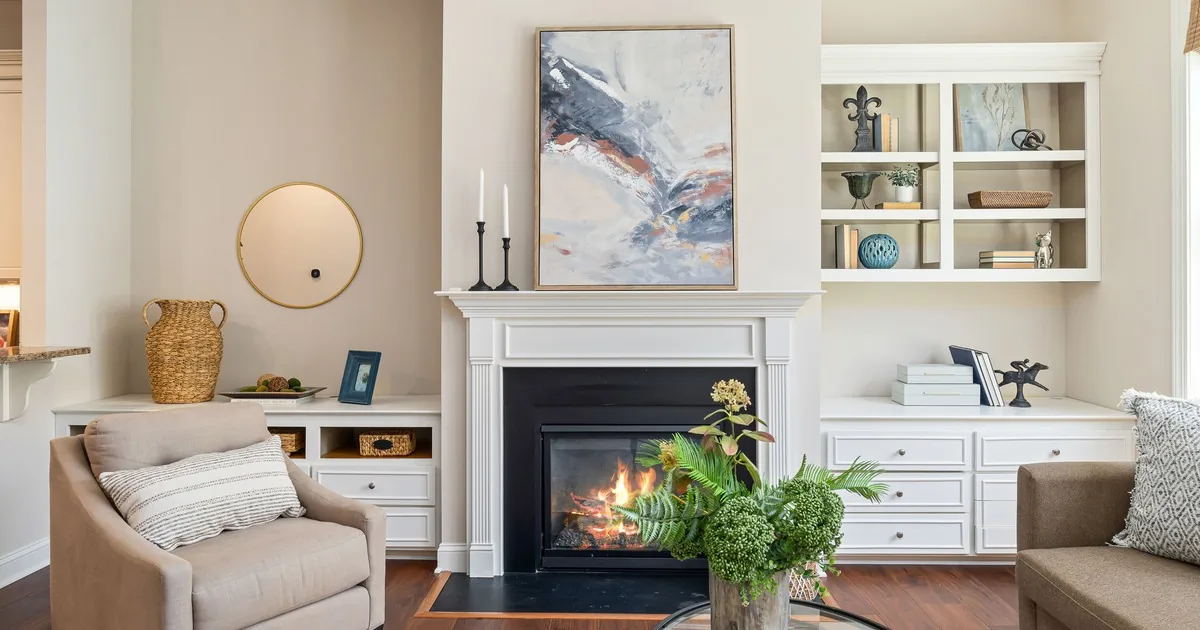
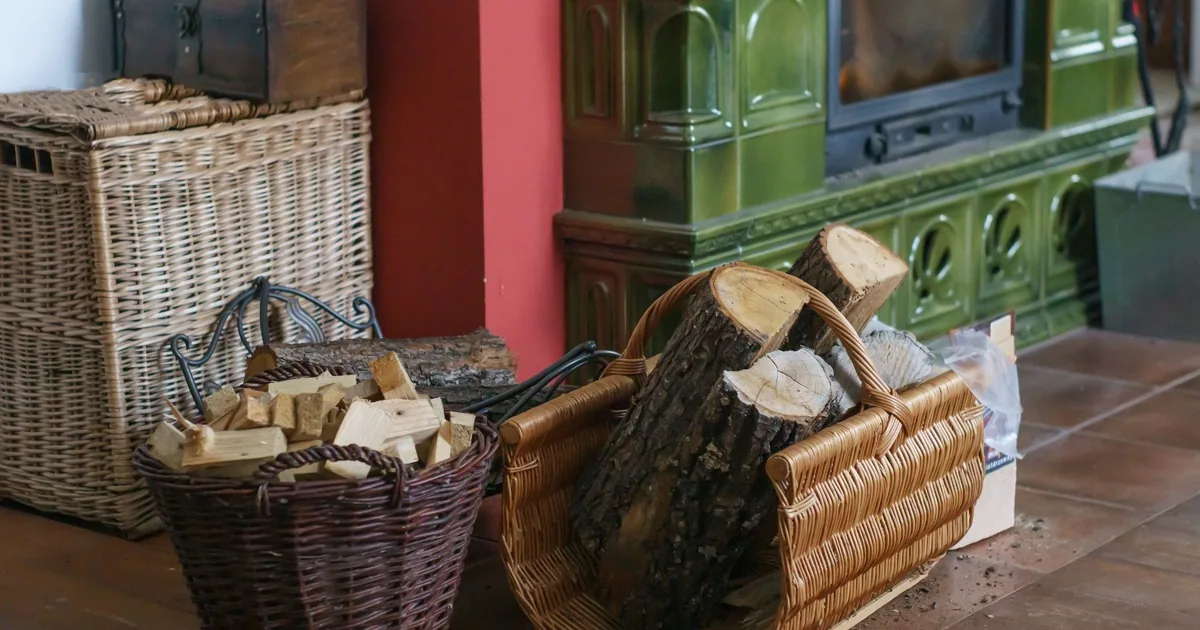
At the hearth, identify movable objects: firewood baskets, fireplace tools, screens, child gates, plants, candles, framed photos, electronics, and light furniture. State the clear area required by your company. Do not borrow a five-foot rule from another sweep’s website unless it is your rule and fits the service.
Heavy or attached items need a different instruction. Customers should not drag a stove, disconnect a flue connector, remove an insert, force a damper, pull a baffle, open a cleanout, dismantle a screen, or shift a stone hearth. Record the obstacle and let the technician decide how to proceed. The same rule applies to an immovable sofa or a mantel-mounted television: report it instead of promising it will not matter.
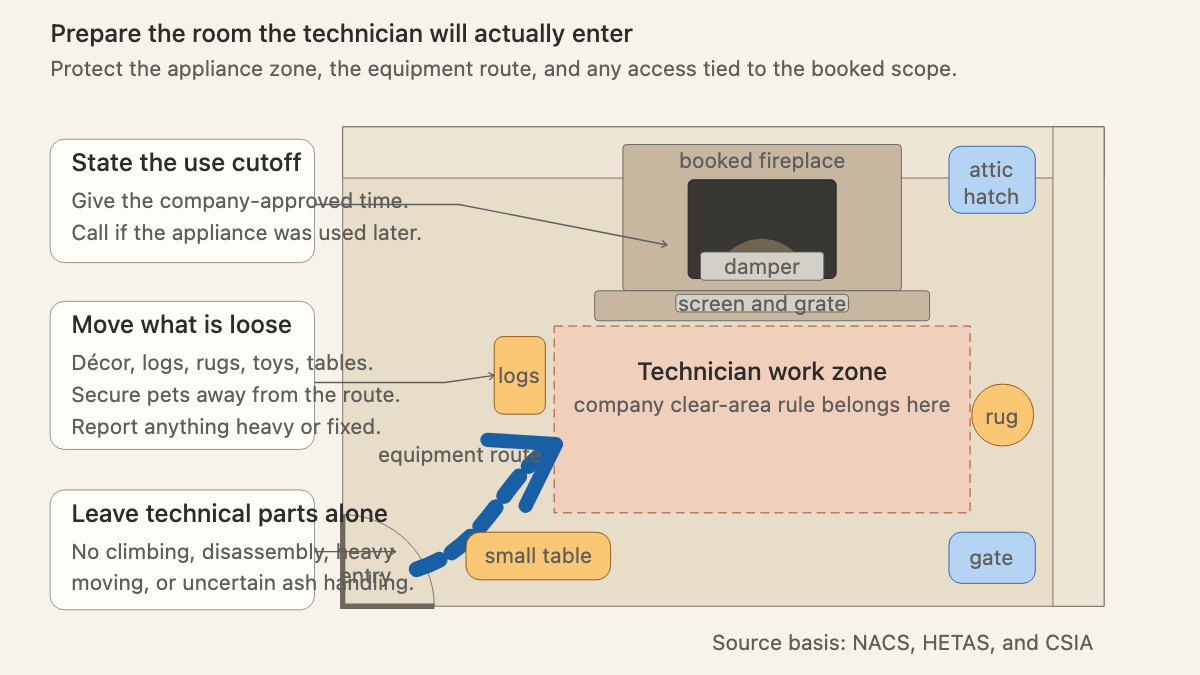
Pets and children need a plan. Ask for them to remain outside the work area and equipment route during setup and service. “The dog is friendly” does not answer whether the front door can stay open while a vacuum and rods come through it. Note any pet that cannot be separated so the technician receives that fact before arrival.
Confirm exterior and building access without assuming roof work
A chimney appointment does not automatically mean someone will climb onto the roof. HETAS says sweeping is usually performed from the fireplace, though appliance entry or an access hatch may be needed. The installed system, service scope, weather, and technician’s safety assessment determine the method.
The office still needs access facts. Ask where the service vehicle can park and whether a gate, garage, loading area, elevator, front desk, or building manager controls entry. Record stairs and long carries. For winter visits, note snow or ice reported on the walk, drive, or roof. The company decides whether conditions permit the scheduled work.
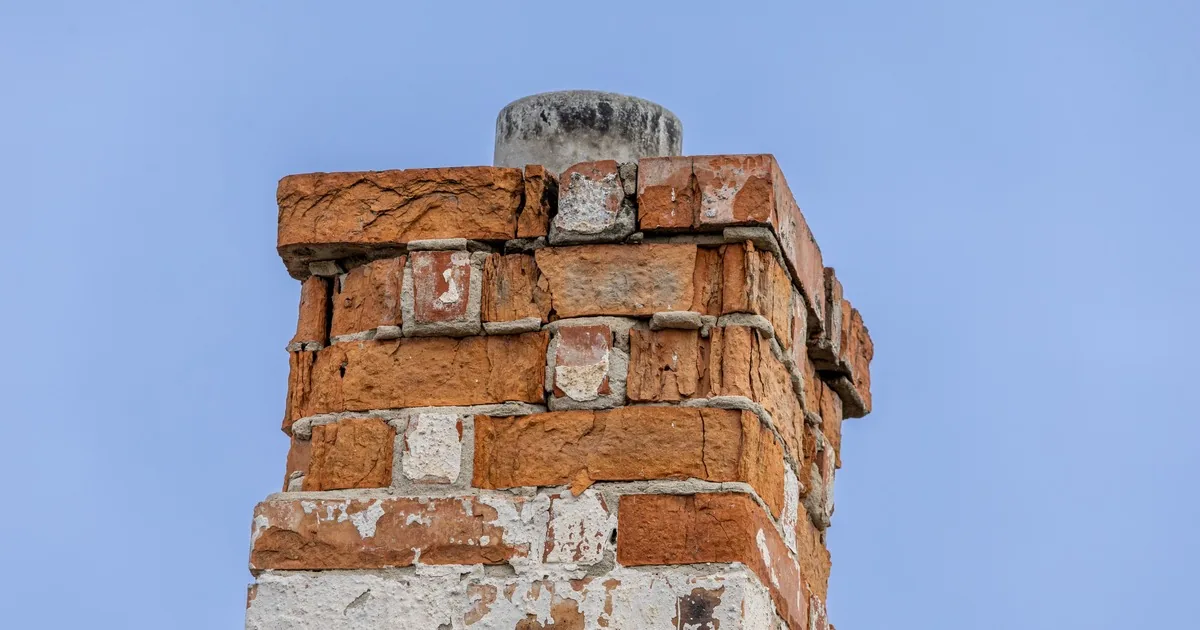
Ask about the chimney exterior from the ground: number of stories, roof material and pitch as the caller understands them, nearby trees, overhead lines, solar panels, additions, and tight property lines. Never ask the customer to climb for a photo, clear a roof, or place a ladder.
Some appointments may require an attic, basement, crawl space, utility room, cleanout, roof hatch, or shared mechanical room. Confirm which spaces belong to the scheduled scope and who can unlock them. In a rental or managed building, identify the occupant, owner, approval contact, and person controlling common areas. A lockbox code buried in an old email is not an access plan.
Preserve symptoms and service history
Preparation should make the system accessible without erasing evidence. Ask the customer to gather the last sweeping invoice, inspection report, repair proposal, appliance manual, installation record, and any notice from another contractor. If the caller observed smoke, odor, debris, water, unusual sounds, animal activity, or a change in appliance performance, record when it happened and whether use has stopped.
Do not ask the customer to clean soot marks, vacuum debris from the firebox, wash a stain, push fallen material back into an opening, or test the appliance before the visit. A wide photo taken safely can preserve location and scale. A close photo is useful only when it can be taken from the floor or another ordinary occupied surface.
The Chimney Safety Institute of America’s Level 1 masonry fireplace procedure identifies the fireplace, flue, accessible portions, connections, observations, and report as parts of routine professional work. The office can prepare those records. It cannot perform the inspection by phone.
If the customer reports changed equipment, a property sale, a damaging event, or an unresolved concern, use the inspection-level scheduling guide. If smoke is entering the room now, follow the smoke-call safety intake and the company’s emergency policy.
Read back an arrival-ready appointment
A finished note should tell the crew what is booked, whether the cooling instruction was understood, and which access limits remain:
“Wednesday at 9 a.m. for routine sweeping and inspection of the freestanding wood stove in the first-floor den and its chimney. Customer was instructed not to use the stove after 6 p.m. Tuesday and to call if it is used later. No active smoke, alarm, recent chimney fire, or falling material reported. Front-door route has one step and a narrow turn into the den. Customer will move the firewood basket, rug, and small table, secure two dogs, and leave the stove, connector, baffle, and ash untouched. Driveway parking is available. Two-story asphalt roof with solar panels on the rear slope; technician determines exterior access. Last invoice and appliance manual will be on the dining table.”
Send the same approved instructions by text or email after the call. An AI receptionist can collect the details and deliver the reminder after hours, but company policy must supply the cooling cutoff, clear-area rule, emergency language, and rescheduling process.
The goal is simple: the technician reaches the correct appliance through a clear route, finds a cool system and useful records, and learns about every access limit before unloading the van.