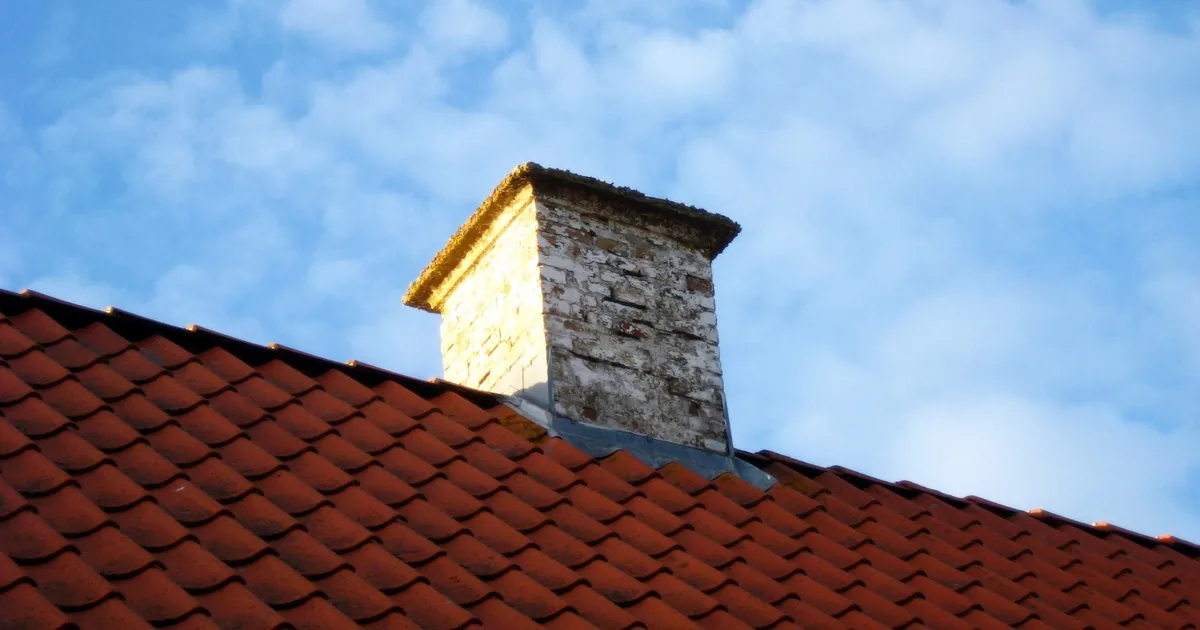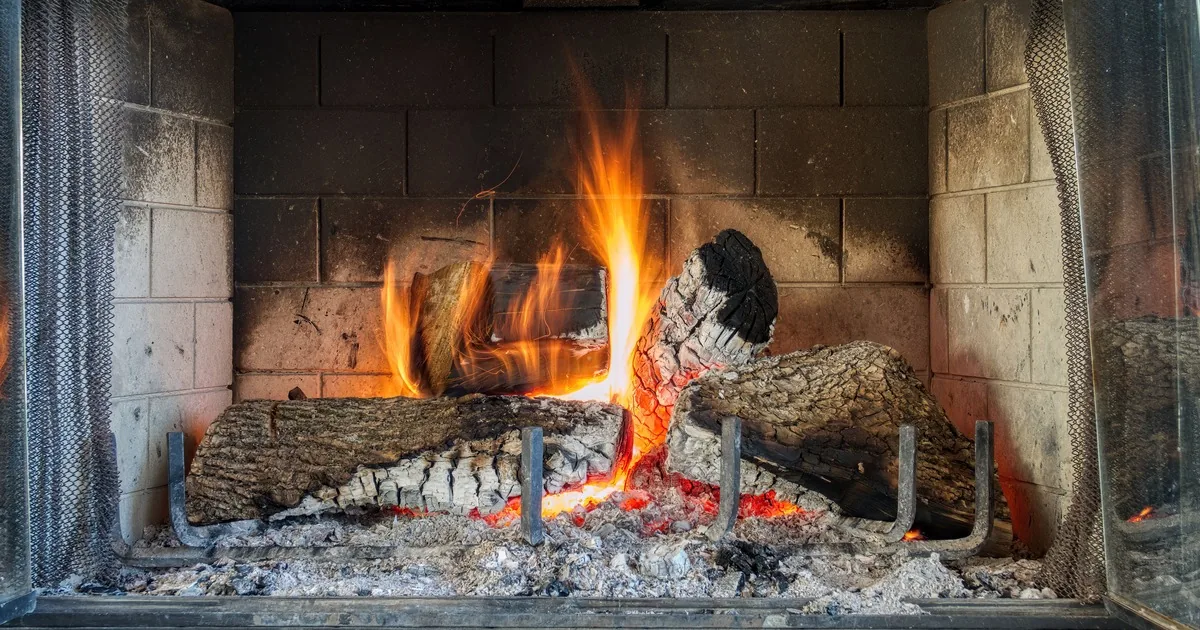
A homeowner calls and says, “The fireplace damper is broken.” That description is enough to start a service record, but it cannot tell the office which part failed or whether a routine repair slot is appropriate. The caller may mean a metal plate above the firebox, a cable-operated cap at the chimney top, a loose handle, or smoke entering the room when a fire is lit.
The best first call does four things. It checks for an active safety problem, identifies the fireplace and control as closely as the caller can, records the exact symptom, and books an inspection or diagnostic visit without promising a part or price. The technician can then arrive with a useful history and the right access plan.
Put smoke, alarms, and illness ahead of the repair questions
Ask what is happening now before discussing hardware. Is a fire burning? Is smoke entering the room? Has a smoke or carbon monoxide alarm sounded? Does anyone feel dizzy, nauseated, weak, confused, short of breath, or unusually headachy?
An active alarm, uncontrolled fire, worsening smoke, or possible carbon monoxide exposure belongs in the company’s emergency script. The office should direct the caller to leave the affected area and contact emergency services according to that policy. It should not ask the caller to reach into a hot firebox, climb onto the roof, or keep testing the fireplace.
The U.S. Environmental Protection Agency advises that a fireplace flue damper should be operational and fully open when the fireplace is used. EPA also recommends professional inspection of fuel-burning appliances, including fireplaces and wood stoves, at the start of the heating season. The U.S. Fire Administration recommends annual professional cleaning and inspection of chimneys and heating equipment.
Once the situation is stable and there is no active fire, the office can continue with normal intake. Record any safety handoff in the call notes so the field technician knows what the caller reported and what instruction was given.
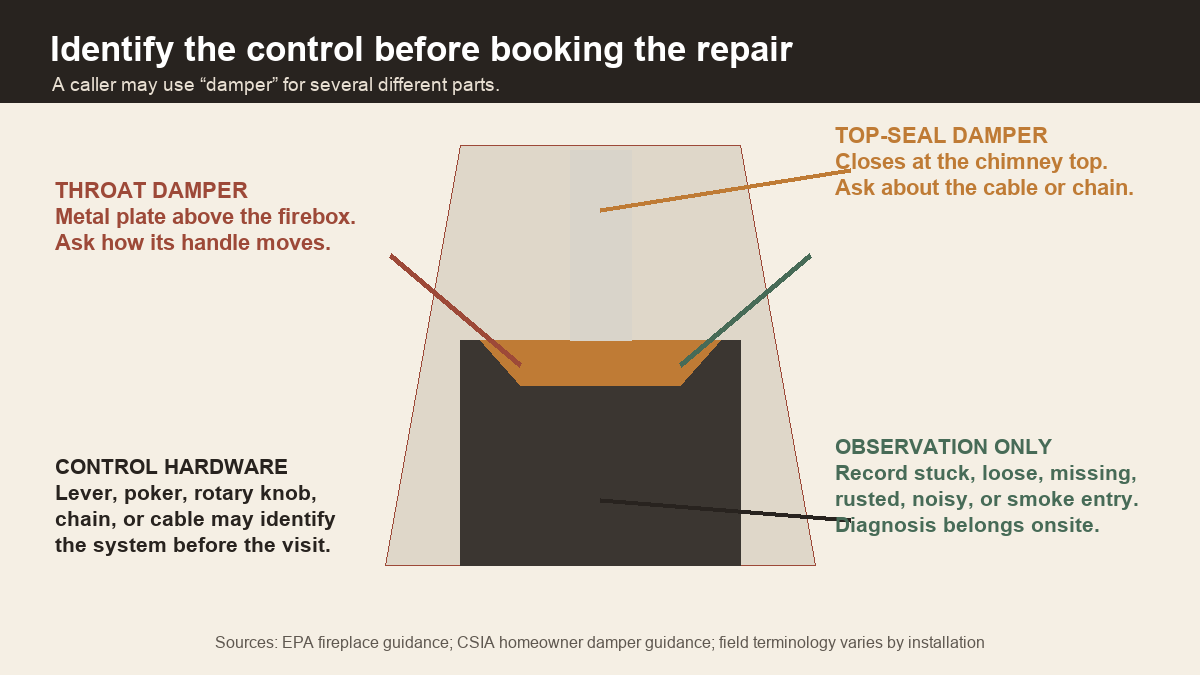
Find out what the caller means by “damper”
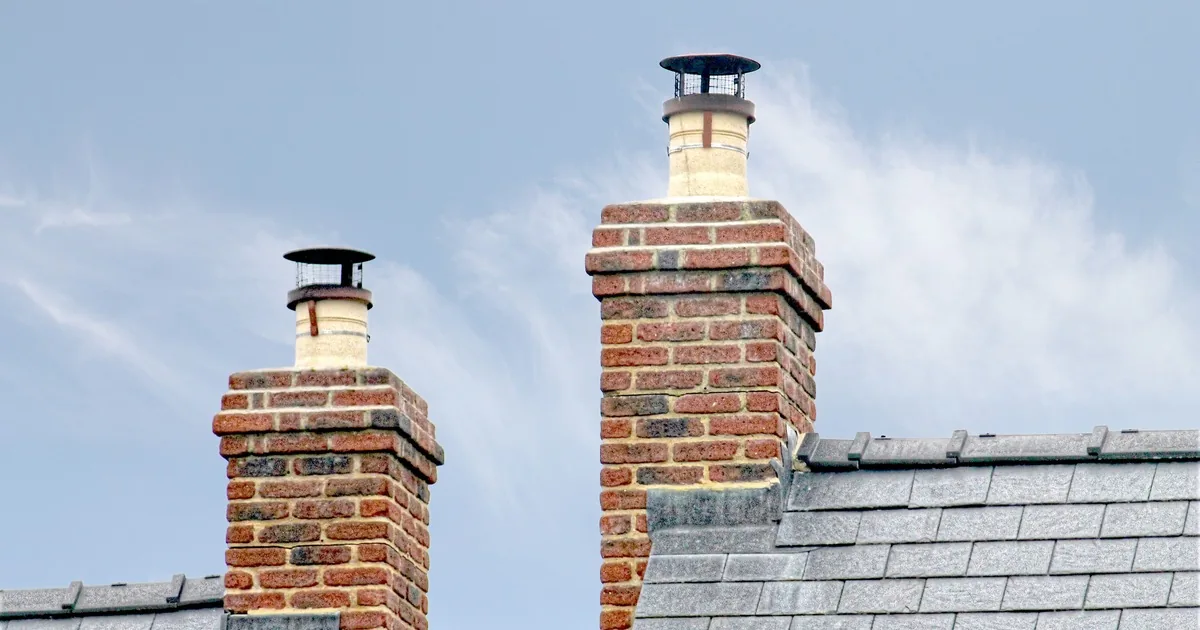
Fireplace owners do not all use the same vocabulary. Some call the operating handle a damper. Others point to the plate above the firebox. A top-sealing system may use a cable or chain that runs down the flue, while a conventional throat damper usually has a control near the fireplace opening.
Ask the caller to describe the control without touching hot, sharp, or unstable parts. Useful questions include:
- Is the fireplace masonry, factory-built, or part of a stove insert? Does it burn wood or gas?
- Does the control look like a lever, poker-style handle, rotary knob, chain, or cable? Where is it located?
- What happens when the control moves: nothing, scraping, resistance, looseness, or a visible plate movement?
- Is any plate, handle, cable, chain, or hardware visibly loose or lying in the firebox?
- When was the fireplace last used, cleaned, or inspected? Has any chimney, cap, liner, or fireplace work been done since then?
A clear photo taken from the room can help if the company accepts customer images. Ask for the whole fireplace opening and a separate close view of the control. Do not ask the caller to put a phone into the flue or stand beneath loose material.
The Chimney Safety Institute of America homeowner guidance tells homeowners to confirm that the damper is open before lighting a fire. That is a useful safety boundary for the call. If the caller cannot verify that the vent path is open, the office should not encourage another test fire.
Record the symptom in the caller’s own words
“Broken” hides the clue the technician needs. Replace it with an observation and a time pattern.
A stuck-closed report might sound like, “The lever stops halfway and I cannot see the opening above the firebox.” A stuck-open report may be, “The handle moves freely, but cold air keeps coming down when the fireplace is unused.” Other callers report scraping, a plate that drops, a cable that will not latch, soot falling when the control moves, rain entry near a top-mounted device, or smoke only during startup.
Ask when the problem began. Did it follow a chimney cleaning, storm, long period without use, home renovation, or first fire of the season? Did the control become harder to move over time, or did it fail suddenly? Has anyone applied lubricant, bent a handle, removed debris, or installed a temporary block?
Keep diagnosis out of the record. Write “caller reports metal scraping when lever moves,” not “rusted damper.” Write “cold draft near firebox during windy weather,” not “failed seal.” Corrosion, deformation, debris, disconnected linkage, an unsuitable replacement part, and a venting problem can overlap from the caller’s perspective.
This distinction also protects scheduling. A receptionist cannot know whether the visit needs cleaning, adjustment, fabrication, masonry access, cap work, or another trade until the system is inspected.
Match the appointment to the symptom
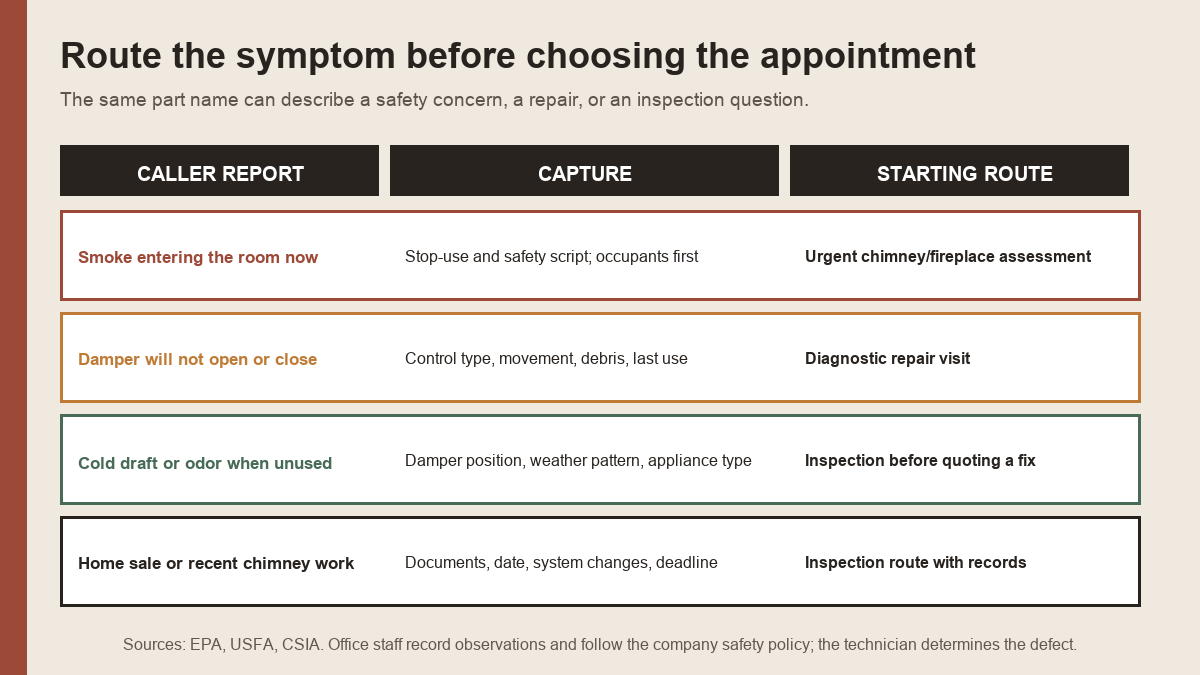
A damper complaint can enter one of several routes. The office should define those routes in advance so every caller receives the same safety screen and realistic next step.
Smoke entering the occupied room during use should receive the company’s stop-use and urgent-assessment handling. A control that will not open or close, with no active fire or smoke problem, usually fits a diagnostic repair visit. A cold draft, odor, or suspected air leak often needs inspection before the office quotes a specific damper replacement. A home-sale deadline or recent chimney alteration may call for an inspection route that preserves documents and the history of the work.
Avoid promising that the technician will repair the damper during the first visit. Some companies carry common controls or replacement systems; others inspect first and prepare a written scope. Access to the chimney top, roof pitch, weather, fireplace construction, and the condition of surrounding components can change the work.
The service record should state what the appointment includes. For example: “Diagnostic visit for a damper control that will not latch. Technician will inspect the fireplace and venting system and explain repair options after assessment.” That sentence is complete. It does not imply a guaranteed same-day repair.
Prepare the property and records before arrival
Confirm the service address, caller’s relationship to the property, parking or gate instructions, fireplace location, and whether an adult decision-maker will be present. Ask about pets, furniture, fragile items, and any restricted access between the entrance and the fireplace. If exterior or roof access may be needed, record locked gates, steep grades, attached additions, snow, or other conditions that affect safe access.
Tell the caller how long the company requires the fireplace to remain unused before the appointment. Use the company’s written policy here because appliance type and planned work differ. Never invent a cooling period during the call.
Ask the customer to gather any inspection report, cleaning invoice, fireplace manual, damper receipt, home-sale report, or photographs from prior chimney work. If the problem followed a service visit, record the provider, date, and work described on the invoice without assigning blame.
A caller who reports smoke or odor may need a broader visit than the damper alone. Link the record to the shop’s smoke-entry or odor workflow. Answara’s guides to safe intake when chimney smoke enters a room and booking chimney odor complaints give those calls their own boundaries. Water around the fireplace or chimney should follow a separate chimney leak inspection intake, since a wet firebox does not prove the damper caused the leak.
Build a record the technician can use at the door
Before ending the call, read back the essentials: appliance and fuel type, control description, symptom, when it began, current safety status, prior work, documents or photos available, access conditions, and the appointment scope. Correct any uncertain detail while the caller is still on the line.
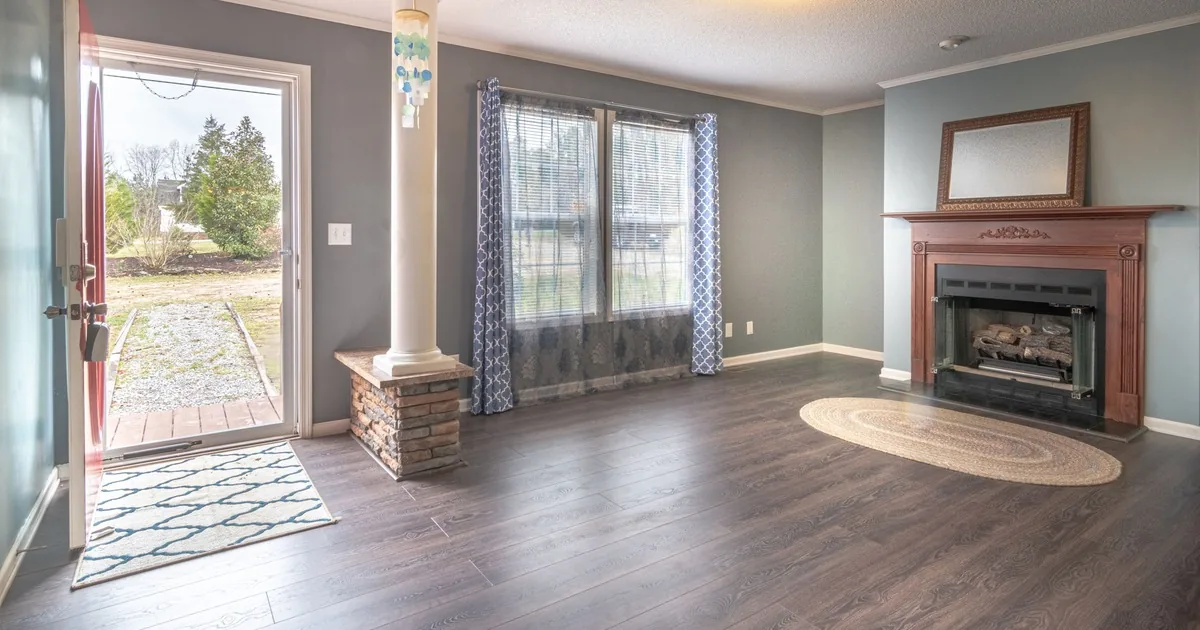
A compact dispatch note might read: “Wood-burning masonry fireplace in first-floor living room. Poker-style control above opening moves halfway, then stops with scraping sound. No fire burning, no smoke in room, and no alarm reported. Problem noticed before first planned fire this season. Chimney cleaned last autumn; invoice available. Customer will keep fireplace unused under shop policy and send room-level photos. Booked diagnostic inspection, repair subject to onsite findings.”
That record gives the technician facts without pretending the phone call solved the mechanism. When the truck arrives, the first conversation can begin at the fireplace instead of replaying a vague report that “the damper is broken.”