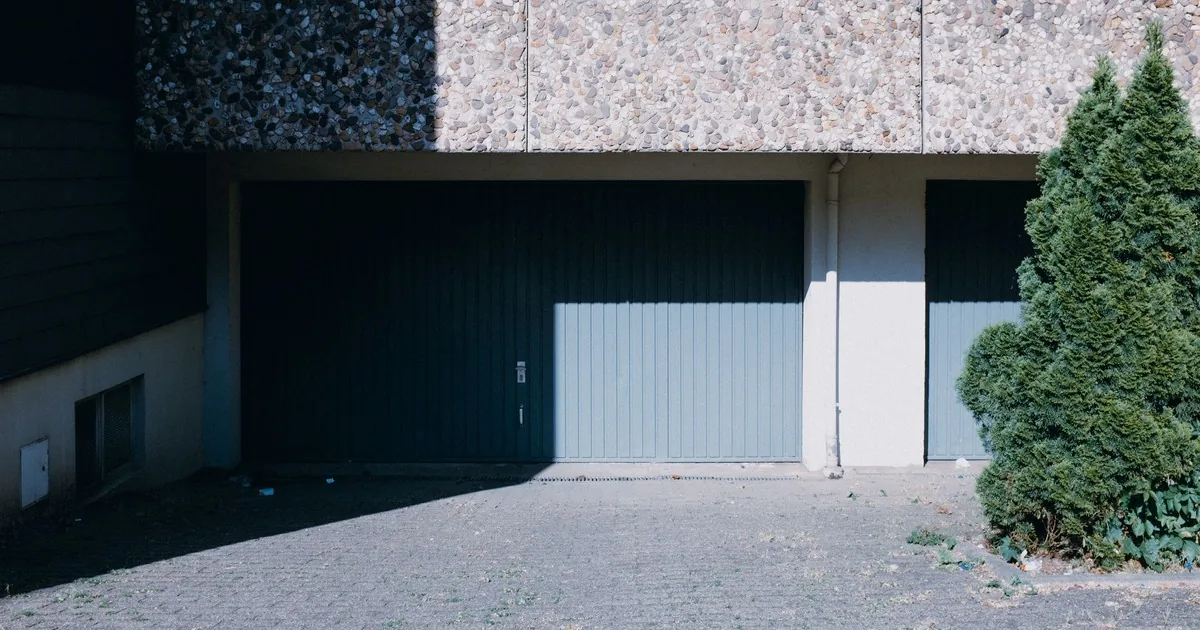
A garage door that will not close at 9pm is not a normal service call. The homeowner is standing in a driveway with the whole back of the house wide open, the car exposed, and a spring that snapped loud enough to wake the dog. When that person picks up the phone, the first ninety seconds decide two things: whether you win the job, and whether the tech shows up with the right spring on the truck. Both happen at intake, before anyone dispatches anything.
Most offices treat the emergency call like a normal booking. Name, address, "what's going on with the door," see you tomorrow. That works for a tune-up. It falls apart when the door is stuck open overnight and the caller needs to know, right now, whether someone is coming or whether they should start calling the next listing. Urgent repair calls that go to voicemail are commonly lost to whoever answers next, and the caller in a driveway at night has a very short patience window.
The questions that decide the truck roll
The point of intake is not to fill in a form. It is to hand the technician enough that the first visit is also the last visit. For a garage door failure, that means knowing what broke, what part it needs, and how exposed the home is right now. A tight version of the script:
- Single or double door? A double door is heavier and usually runs a different spring setup. This one answer changes the parts the tech loads.
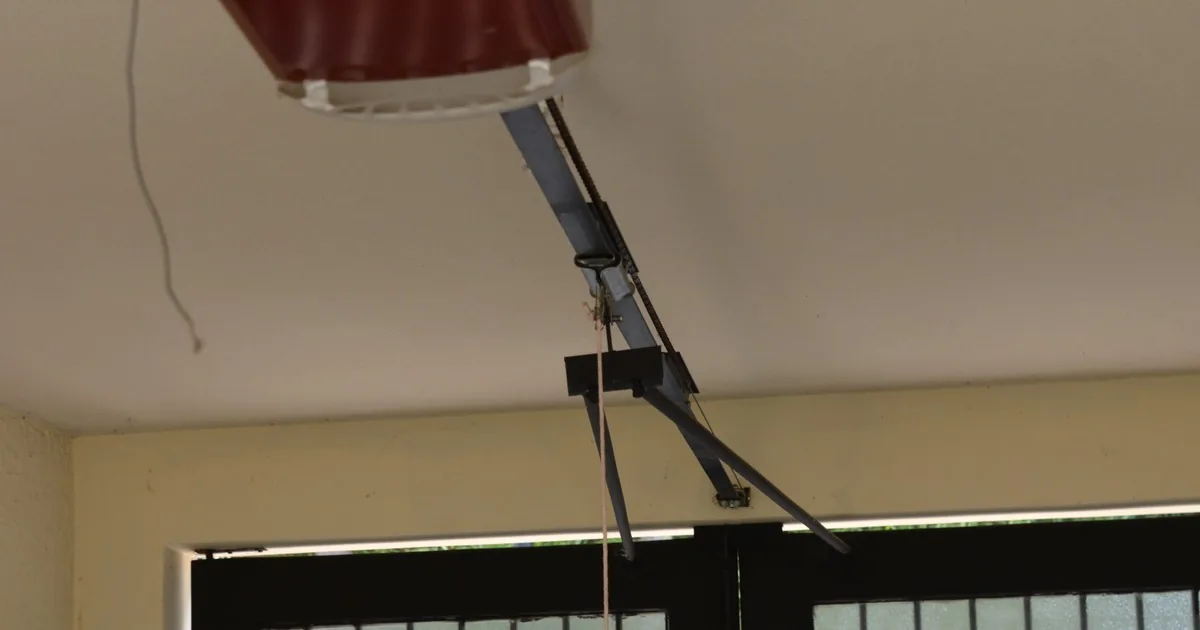
- Torsion or extension spring? Torsion springs mount on a bar above the door. Extension springs run along the horizontal tracks on each side. Ask the caller to look up: "Is there a metal bar across the top with a spring wound around it, or springs running back along the ceiling rails?" Get this wrong and the tech arrives with hardware that does not fit.
- What is the opener brand? LiftMaster, Chamberlain, Genie, and the rest each have their own logic boards, remotes, and failure patterns. If the complaint is a dead opener, the brand tells the tech whether to bring a board, a capacitor, or a whole unit.
- Is a car trapped inside? A door stuck shut with the car behind it is a different urgency than a door stuck open. If someone needs to get to work at 6am, that changes how you schedule.
- Is the home unsecured right now? A door frozen in the open position means the garage, and often the interior door to the house, is exposed. That is the line between a true emergency and a next-day job.
You do not need all of this on every call. You need it on the calls where the door is down hard, and you need whoever answers to actually ask instead of writing "broken spring, call back."
Triaging the real emergency from the next-day job
Not every panicked call is an overnight problem, and not every calm call is safe to push. The signal to listen for is exposure and entrapment, not volume.
A door stuck open overnight is a true emergency. The house is open to the street until someone closes it. A snapped torsion spring on a double door where the car is trapped inside and the owner has an early shift is also an emergency, because the clock is real. Compare that to an opener that hums but will not lift, on a home with a working side door and a car parked outside. That one is annoying and it is a next-morning slot.
Train intake to ask one closing question on every urgent call: "Right now, is the house secure and is anyone stuck?" The answer sorts the board faster than any description of the noise the spring made. When the house is open, you roll or you at least talk the caller through a manual lock so the opening is covered until morning.
Why a photo of the spring and rail is worth thirty seconds
Callers describe hardware badly. "The big spring thing" could be one torsion spring, two, or a pair of extension springs, and the wire gauge and length that determine which replacement fits are invisible to someone who has never looked at their own garage. Ask for a photo. Text them the number, have them shoot the spring above the door and the tracks along the ceiling, and the parts question mostly answers itself.
From a clear photo, an experienced dispatcher or tech can read the mount type, count the springs, and often estimate the wire size and length close enough to load the truck with real options instead of a guess. That is the difference between a tech who swaps the spring in the driveway and a tech who measures, drives back to the shop, and returns tomorrow. On a torsion spring especially, the inside diameter, wire size, and length have to match, and a photo of the winding cone and the spring against the header gives most of that away.
Capture the photo against the job before dispatch, not after. The tech should be able to open the ticket and see the actual hardware before deciding what goes in the van.
What to write down so the first visit is the last
The notes that matter are not the customer's words. They are the specifics that map to parts and safety:
- Door count and rough size, single or double.
- Spring type, and count if visible.
- Opener brand and model number if the caller can read the label.
- Whether the car is trapped and whether the home is open.
- Photo attached, yes or no.
A ticket with those five fields lets the tech pull the right spring, the right board, or the right rollers before leaving the shop. A ticket that says "garage door problem, wants ASAP" guarantees a second trip.
The hard part is coverage. Springs break at night and on weekends, which is exactly when the office is closed and the call rolls to voicemail. A caller standing in an open garage at 10pm is not leaving a message. This is where an always-answered line matters, whether that is a rotating on-call person or a tool like Answara that picks up every call and runs the same intake questions the same way at 2am as at 2pm. The goal is not to sell anything on that call. It is to capture the door type, the spring type, the exposure, and the photo so that whoever dispatches in the morning already has a real ticket instead of a callback to chase.
Get the intake right and the schedule builds itself: true emergencies surface immediately, next-day jobs land in the right slot, and the tech leaves the shop already holding the spring that fits. The next time a torsion spring lets go on a Friday night, the question is simply whether your phone asked the five things that put the right part in the driveway before you did.