A homeowner calls on a bright afternoon and asks for “a quick infrared scan” of a cold upstairs bedroom. The west wall has been in direct sun for hours, the heat was turned down that morning, and a portable space heater is running beside the window. She wants the camera to prove that insulation is missing before an estimate is scheduled.
The office should slow that booking down. An infrared camera records surface-temperature patterns. It does not see through walls, name the cause of every cool patch, or produce the same evidence under every set of conditions. Before choosing an appointment time, capture the room and surface of concern, the symptom and when it occurs, indoor and outdoor conditions, sun exposure, recent heating or cooling changes, possible moisture, access, and whether the provider plans to use a blower door. The assessor should decide whether the conditions support the requested scan.
Confirm what the caller expects the camera to answer
“Infrared scan” can mean several different services. One caller wants an insulation check. Another wants help locating a draft. A buyer asks for thermal imaging during a home inspection. A contractor needs documentation after air-sealing work. Someone with a ceiling stain may believe the camera will locate a roof leak.
Start with the decision behind the request: “What are you hoping the scan will help you decide?” Record the exact room, wall, ceiling, floor, window, or door involved. Ask what the caller notices, when it happens, and whether the condition changes with weather, time of day, equipment use, or occupancy.
The U.S. Department of Energy home-assessment guide describes thermographic scanning as a way to detect temperature differences along building surfaces, including walls, roofs, windows, and doors. It also notes that thermography and blower-door testing are often used together. That is a useful description of the tool. It is not a promise that one image will distinguish missing insulation, air movement, moisture, thermal bridging, and reflections without other evidence.
If the caller’s real concern is a high utility bill with no specific target area, book a broader high-energy-bill home assessment. If a blower-door test has already been specified, use the blower-door preparation intake. This page owns a narrower job: scheduling an infrared inspection when timing and site conditions matter.
Match the appointment to useful temperature contrast
A thermal pattern becomes easier to interpret when the indoor and outdoor environments create a meaningful temperature difference across the building enclosure. DOE’s Building America thermal-imaging guide recommends choosing a time with a significant indoor-to-outdoor difference. It gives early morning or evening in winter and mid-to-late afternoon in summer as examples, depending on local weather and an air-conditioned interior.
Reception should not turn that guidance into one universal temperature rule. The useful condition depends on the assembly, the suspected problem, whether the scan is indoors or outdoors, the camera and method, and the provider’s procedure. Ask for the company’s approved weather window and scheduling rule, then apply it consistently.
Capture these facts before offering a slot:
- the target room and which direction the exterior wall faces, if known
- the symptom, its usual time, and the weather when it is strongest
- current indoor conditions and how the thermostat has been set recently
- forecast outdoor conditions for the proposed visit
- direct sun, shade, wind, rain, or recent wetting at the target surface
- recent use of fireplaces, ovens, portable heaters, exhaust fans, or other local heat and airflow sources
A caller does not need to provide expert measurements. “The room feels cold at the baseboard on windy mornings” is more useful than “the insulation failed.” The first statement can be tested. The second has already jumped to a diagnosis.
Record what may distort the pattern
Sun can warm an exterior surface long after the light moves away. Wind can change surface temperatures and pressure relationships. A radiator, supply register, refrigerator, television, hot-water pipe, lamp, or space heater can create a local pattern that resembles a building-envelope problem when the image is viewed without context.
Reflective surfaces add another trap. Manufacturer guidance from FLIR on building energy audits warns that solar loading and wind can hide potential issues. FLIR’s measurement guidance also explains that shiny, low-emissivity surfaces can reflect surrounding thermal radiation. A bright area on metal may be a reflection, not a hot component.
The call record should therefore note mirrors, polished metal, foil-faced materials, glass, recent direct sun, and strong nearby heat sources when they are relevant to the requested target. Reception should record them, not interpret them.
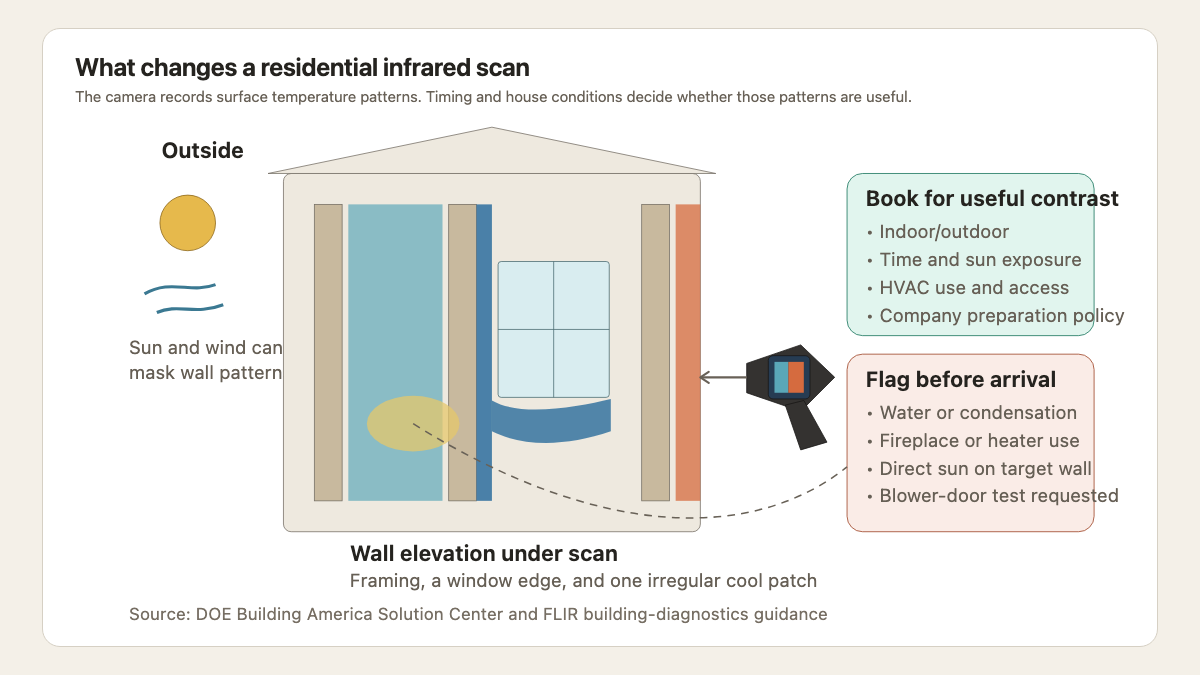
The irregular cool patch in the illustration is intentionally unlabeled. It could support further investigation, but the camera image alone does not settle the cause. The assessor combines the pattern with building layout, weather, equipment operation, visual inspection, moisture checks, and other diagnostics.
Treat moisture as a separate evidence question
A cool patch may be associated with missing insulation or moving air. Moisture can also change surface temperature. The Building America infrared-camera overview includes moisture among the conditions that can produce temperature anomalies. FLIR recommends confirming suspected water intrusion with a moisture meter or another suitable method rather than treating the thermal image as proof.
Ask whether the caller has seen staining, dampness, condensation, peeling paint, a plumbing leak, roof damage, or recent rain intrusion. Record when it first appeared and whether the area is actively wet. Photos of the visible surface can help the assessor prepare, but they do not replace an on-site check.
Active dripping, a bulging wet ceiling, water near electrical equipment, a burning smell, smoke, a carbon monoxide alarm, or another immediate hazard should follow the company’s emergency policy. Do not hold a routine thermal-imaging slot while reception troubleshoots a safety event.
Keep blower-door and equipment setup with the assessor
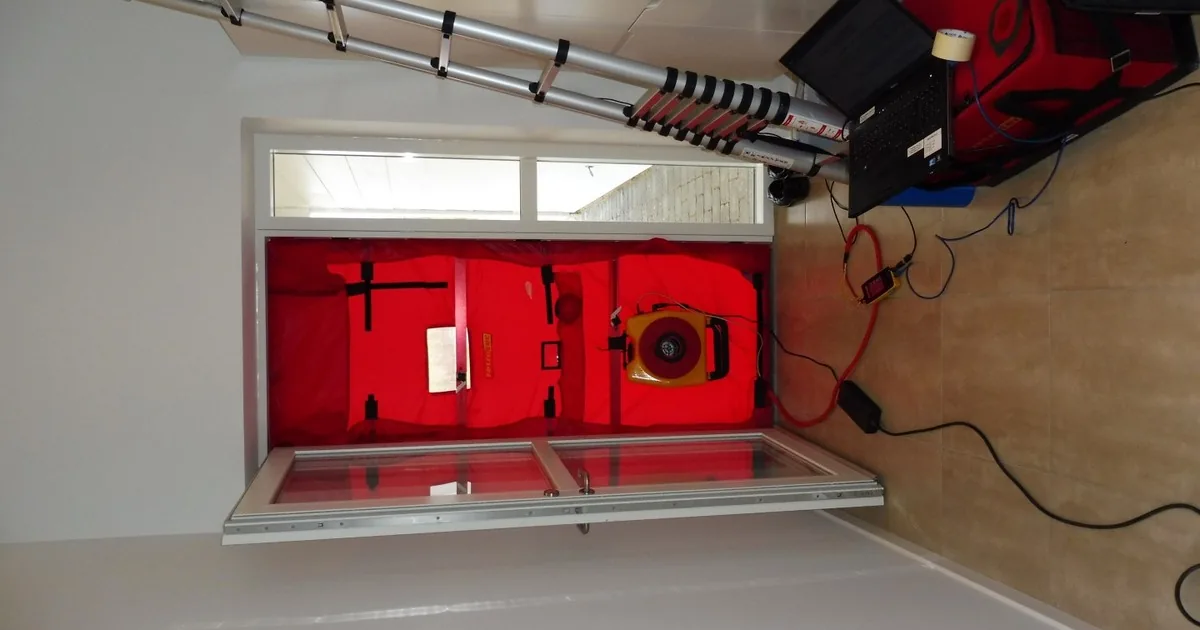
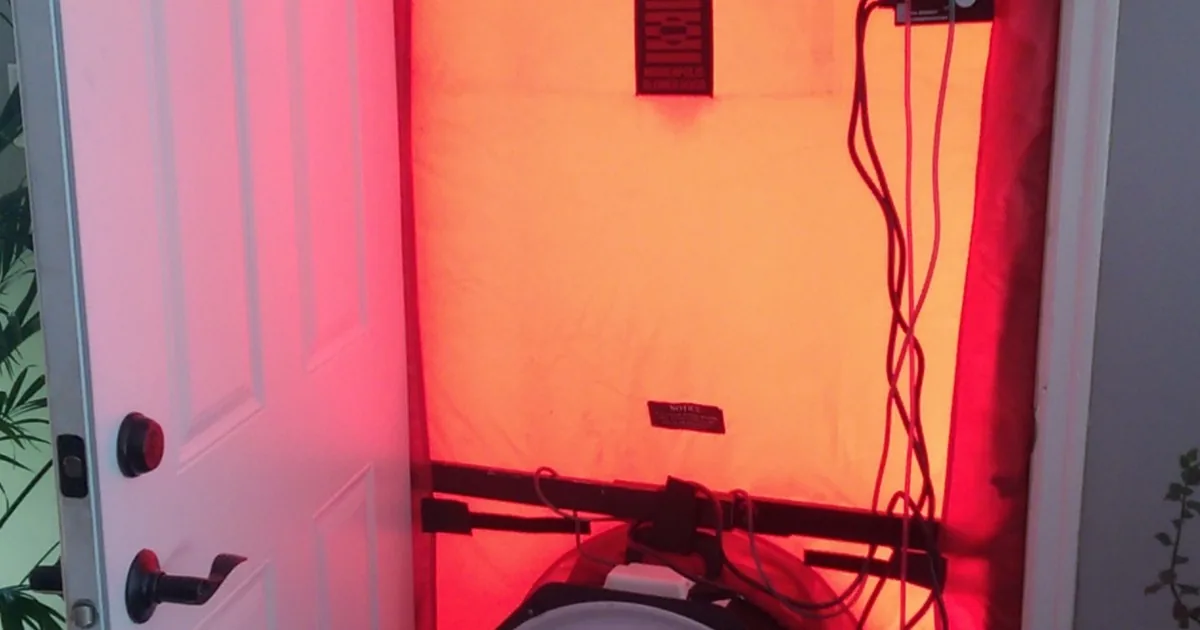
Thermal imaging can be paired with depressurization to make incoming outdoor air easier to see. Building America explains that air leakage may appear as streaking when the home is depressurized and the incoming air differs in temperature from indoor surfaces. The DOE assessment guide also describes infrared scanning and blower-door testing as complementary techniques.
That does not make depressurization a front-desk instruction. Changing exhaust fans, HVAC operation, dampers, fireplaces, fuel-burning appliances, or pressure conditions can create safety and test-quality problems. Ask whether the provider intends to include blower-door testing, whether fireplaces or solid-fuel appliances have been used recently, and what fuel-burning equipment is present. Then send the provider’s approved preparation instructions.
Do not tell a homeowner to turn equipment off, extinguish a pilot, seal a vent, or run every exhaust fan. A trained field professional should control the test setup and restore the home afterward.
Plan the scan route before the visit
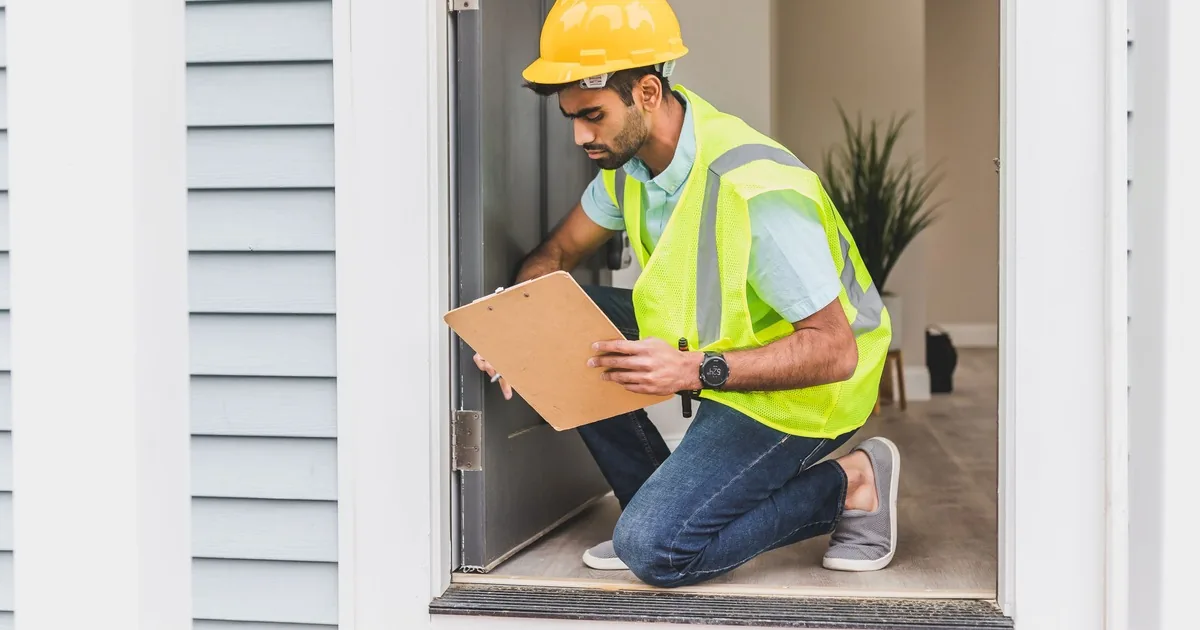
Infrared work still requires ordinary access. Ask whether the assessor can reach the target walls, windows, attic hatch, basement perimeter, mechanical room, crawlspace entrance, or exterior elevations included in the service. Note locked rooms, tenants, pets, heavy furniture, stored boxes, tall ceilings, stairs, gated yards, and parking restrictions.
Request a clear walking path where practical. Do not ask the homeowner to move an armoire, enter an unsafe attic, climb onto a roof, or open a wall. If furniture blocks the only target surface, the assessor can decide whether a different view, a return visit, or another diagnostic method is appropriate.
The confirmation should also name the deliverable. Will the customer receive selected images, a written interpretation, a broader assessment report, or verbal findings during the visit? An image without context can be easy to misread, so the office should avoid promising “proof” of a repair scope before the assessor reviews the whole condition.
Send a field-ready booking record
A useful handoff sounds like this:
“Owner requests an infrared assessment of the west wall and ceiling in the second-floor rear bedroom. The room feels cold near the window and baseboard on windy mornings; no comfort problem is reported in the adjacent room. Direct afternoon sun reaches the west wall. Heat was lowered during the day this week, and a portable heater has been used beside the window in the evenings. No active leak, staining, dampness, alarm, smoke, or burning odor reported. Gas furnace and water heater are in the basement. Fireplace has not been used this week. Provider will decide whether weather conditions and indoor setup support the scan and whether blower-door testing is appropriate. Owner will provide access to the bedroom, attic hatch in the hall closet, basement mechanical room, and west exterior wall. Large dresser remains against part of the target wall; no request was made to move it. Company preparation sheet sent. Appointment deliverable is a written assessment with selected thermal images and field interpretation.”
That record gives the assessor a testable symptom, the target surface, the timing clues, possible interference, safety context, access, and the promised deliverable. The camera can then be used as a diagnostic tool instead of a colorful answer looking for a question.