A homeowner calls with one fact: “My electric bill jumped, and I need someone to tell me why.” She has the dollar total open on her phone but cannot see the kilowatt-hours. The house also uses gas heat, a relative moved in during the billing period, and a back bedroom has felt cold since summer remodeling.
That is enough to justify a conversation, but not a diagnosis. Before booking a home energy assessment, collect the bill pattern in usage units and dollars, every fuel used at the property, recent changes in the household or equipment, room-specific comfort symptoms, and access to the attic, crawlspace, basement, and mechanical systems. Then confirm which tests the scheduled service actually includes.
Start with the bill pattern, not the bill total
A dollar increase can come from higher usage, a rate change, a longer billing period, an estimated reading, a past-due balance, or some combination. The office does not need to sort that out on the phone. It does need to preserve the evidence.
Ask the caller to open the detailed bill or utility portal. Record the service dates, usage units, dollar total, and whether the reading is marked actual or estimated. Compare the same fields with the prior bill and, when available, the same season a year earlier. If the house uses electricity plus natural gas, propane, heating oil, or another delivered fuel, request records for each one. A falling gas bill can sit beside a rising electric bill after a heating-system change, so one account never tells the whole story.
The U.S. Department of Energy's consumer guide tells homeowners to have copies or summaries of recent energy bills ready for an assessment. That advice becomes more useful when the office asks for legible pages or portal screenshots before the visit. Account numbers can be redacted if the auditor does not need them.
Do not promise that an auditor will explain every line item. The assessment concerns the house and how it uses energy. Billing corrections, rate questions, and meter disputes may still belong with the utility.
Capture every fuel and the changes around the spike
Next, build a short timeline. “The January bill was high” means little without knowing what changed in December.
Ask whether anyone moved in or out, began working from home, hosted long-term guests, or changed a thermostat schedule. Record new loads such as an electric vehicle, pool pump, space heater, dehumidifier, workshop equipment, or second refrigerator. Note repairs and renovations too. New windows, attic work, a room addition, duct changes, or a replaced water heater can alter both use and comfort.
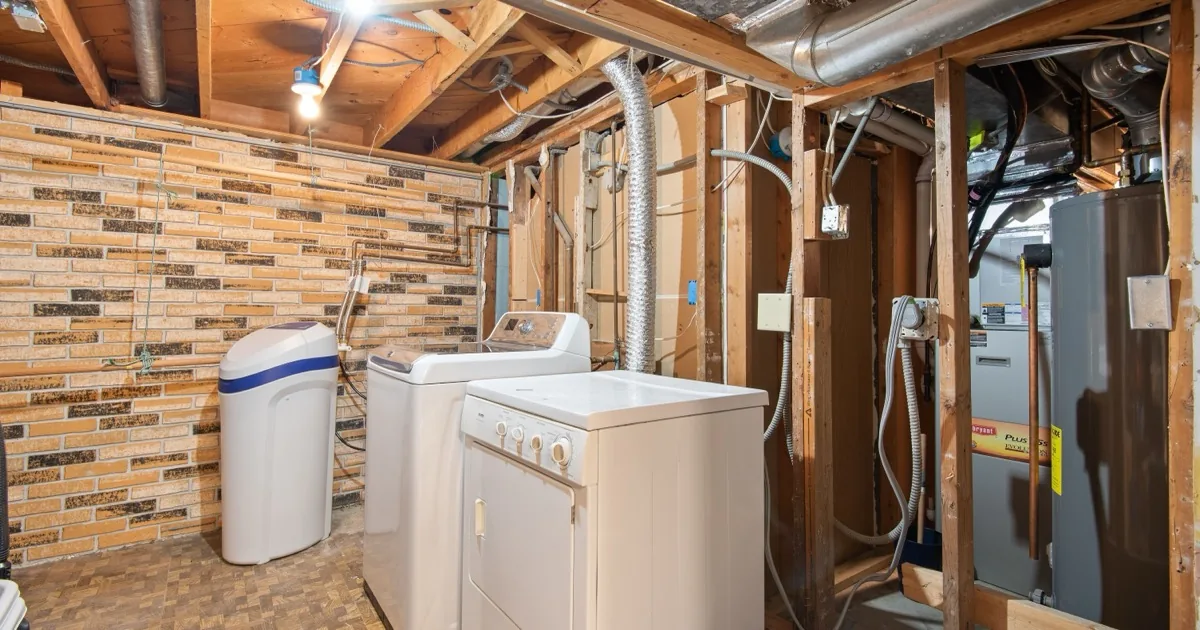
The call taker should also identify the main systems without pretending to inspect them. Capture the heating fuel and equipment type if known, cooling type, water-heating fuel, approximate equipment ages, and any recent service. Puget Sound Energy's assessment preparation guidance says equipment installation dates and major renovation history can make the visit more specific. New York's home energy assessment guidance asks for the home's type, year, floors, size, foundation, heating and water-heating systems, cooling, insulation, windows, and doors.
Use plain language when the homeowner is unsure. “Metal box in a closet,” “large tank in the garage,” and a photo of the equipment label are better than a confident but wrong model description.
Turn comfort complaints into a room map
High bills often arrive with a second complaint: one bedroom is cold, the second floor stays hot, a floor feels chilly, or condensation appears on a particular window. Record each symptom by location, season, weather, and time of day.
“Drafty upstairs” is weak. “North bedroom beside the attic hatch feels cold on windy winter nights, even when the hallway is comfortable” gives the auditor a place and a pattern. Ask whether doors are normally open or closed, whether supply and return vents are blocked, and whether the problem began after furniture, flooring, duct, window, or insulation work.
DOE recommends that homeowners list condensation, drafts, and uncomfortable rooms before the assessor arrives. Those observations matter because a whole-home problem can cross trade boundaries. The cold room could involve air leakage, insulation, duct delivery, controls, equipment operation, solar exposure, or moisture. Reception should keep those possibilities open.
If the caller already knows the request is limited to leakage around the building shell, the air-sealing consultation intake may be the better route. If the request is specifically for more attic insulation, use the attic insulation estimate workflow. A whole-home assessment fits when the cause is unclear or several systems may be involved.
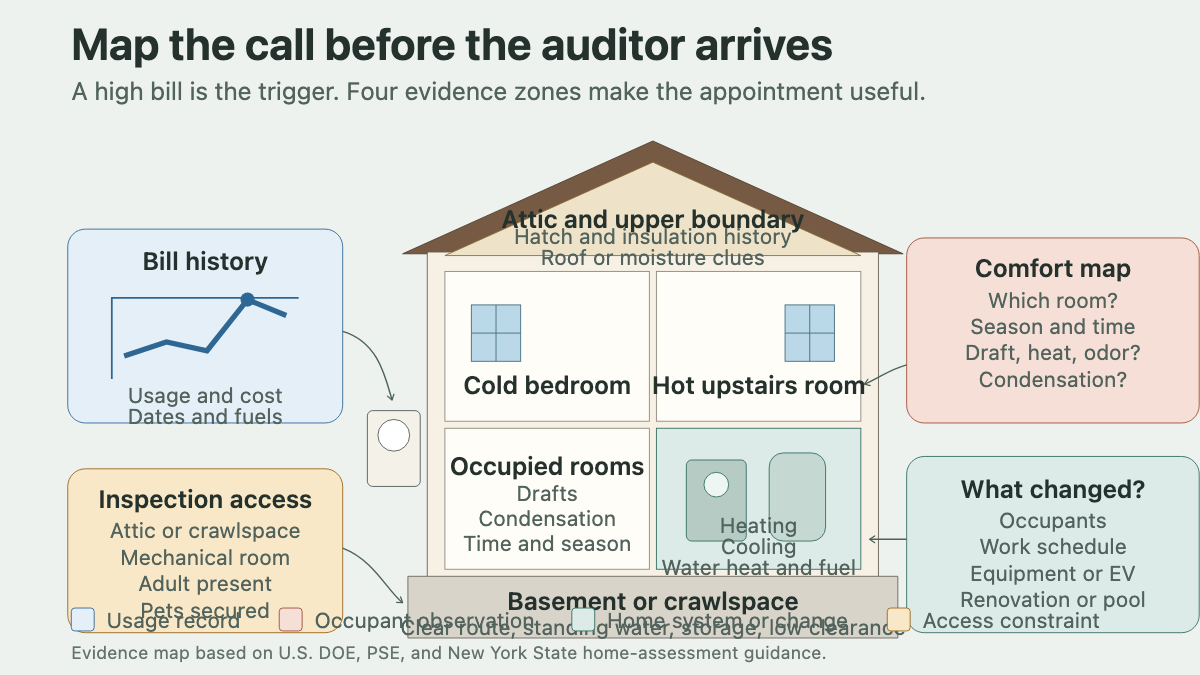
The map keeps the first call disciplined. Billing history sits outside the house. Occupant observations belong in specific rooms. Equipment and fuel belong at the mechanical core. Access constraints belong at the attic, basement, or crawlspace. The auditor connects those facts in the field.
Match the appointment to the assessment being sold
“Energy audit” can describe a self-guided questionnaire, a visual walkthrough, a utility program visit, or a detailed diagnostic assessment. Confirm the office's exact service before setting expectations.
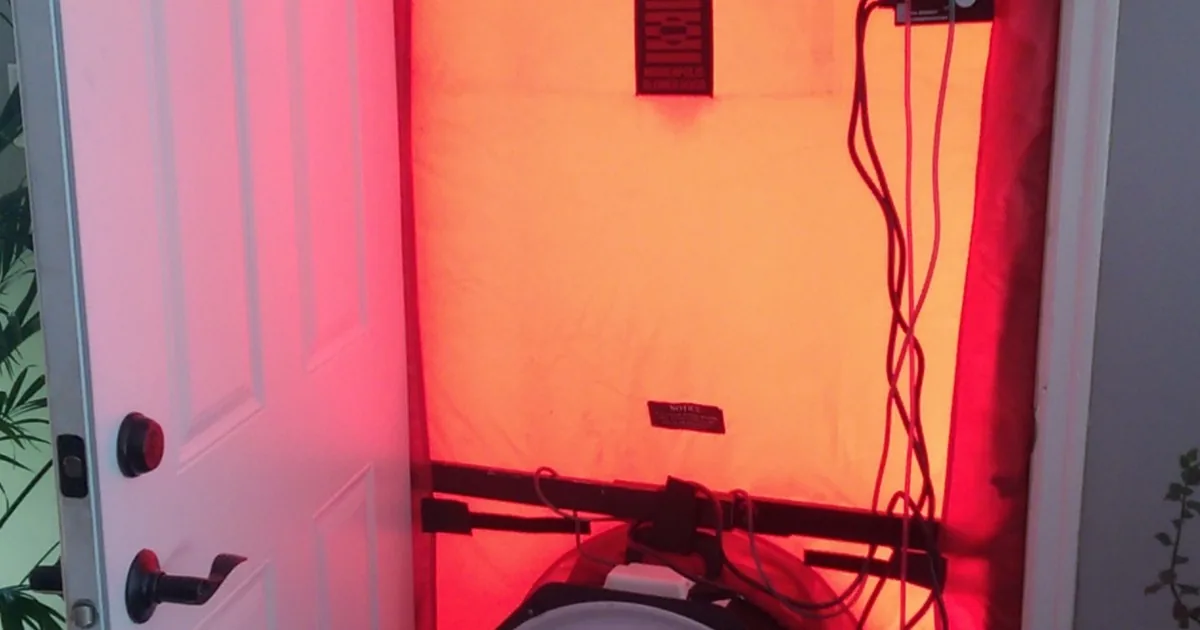
The DOE guide describes calibrated blower-door testing, which measures house airtightness, and infrared scanning, which shows temperature differences across building surfaces. Its Weatherization Assistance Program page describes an audit that analyzes bills, uses a blower door, and inspects energy equipment and areas such as attics and basements. Those are credible examples. They do not prove that every private assessment includes the same work.
The booking record should state whether the scheduled visit includes diagnostic testing, a written report, combustion-safety work, duct testing, infrared imaging, or a follow-up consultation. If weather or indoor-outdoor temperature conditions affect a test, use the provider's own preparation policy. If the company offers several service levels, name the selected one in the confirmation.
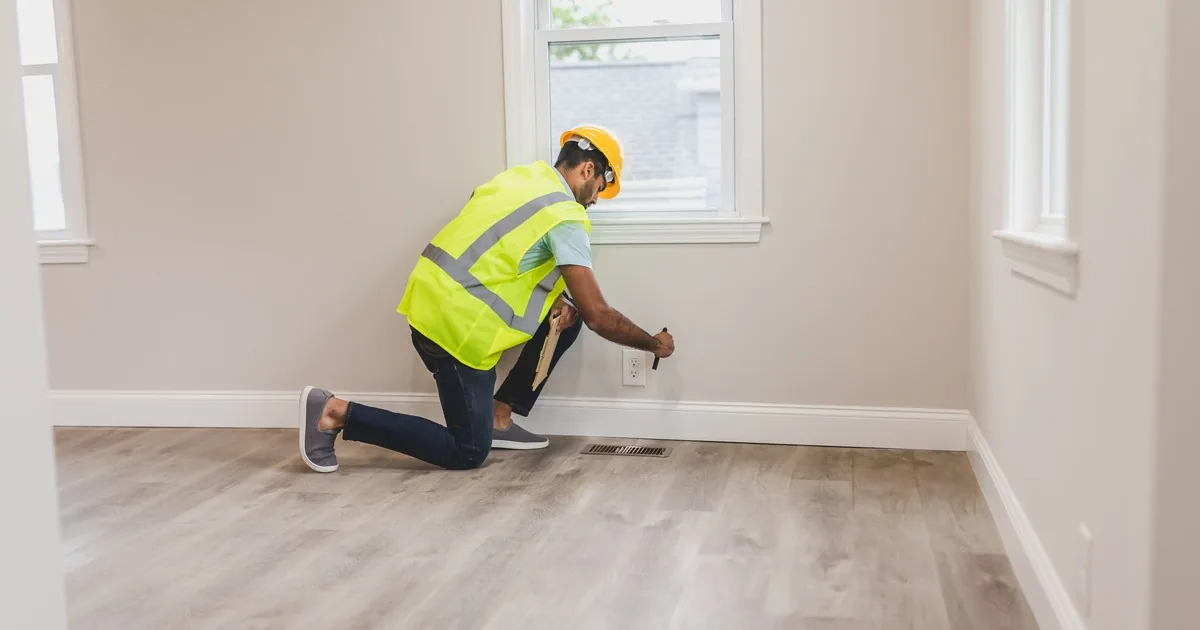
Ask about access before choosing duration and staff. The field person may need clear routes to heating and water-heating equipment, appliances, the electrical panel, attic hatch, crawlspace entrance, basement walls, and utility meters. Record low clearance, standing water, stored belongings, locked utility rooms, tenants, pets, and whether an adult will be present. Never tell a homeowner to enter an unsafe crawlspace or move heavy equipment for the appointment.
A useful confirmation covers:
- property address, home type, approximate age, foundation, and occupied floors;
- service selected, included tests, expected deliverable, and provider-specific preparation;
- electricity and other fuel records requested before the visit;
- known equipment, renovation history, household changes, and comfort locations;
- access limits, parking or gate instructions, pets, and the adult who will attend.
Keep billing emergencies on the right track
Some callers need help faster than an assessment can provide. A shutoff notice, suspected gas leak, burning odor, sparking equipment, carbon monoxide alarm, loss of heat in dangerous weather, or a vulnerable resident without safe indoor conditions needs the company's emergency policy or the appropriate utility and emergency service. An energy assessment appointment is not an emergency repair response.
The same boundary applies to financial assistance. Utility, state, and federal programs have their own eligibility rules and documents. DOE says its Weatherization Assistance Program is administered through state and local providers. Reception can identify the program the caller is asking about and direct the person to its current application process. It should not promise eligibility, funding, rebate amounts, or approval.
Send a handoff the auditor can use at the door
A finished note should preserve facts, uncertainty, and timing:
“Owner requests a whole-home assessment after higher electric bills during the last two billing periods. Electric usage and dollar totals increased; copies of both bills and the same months from last year were requested. Home also uses natural gas for a forced-air furnace and water heater. Gas records are pending. One adult began working from home before the first higher bill. An electric vehicle charger was added later, so timing differs. The north upstairs bedroom feels cold on windy nights, and the owner reports condensation at one window. Kitchen remodeling was completed in summer; scope included a new range hood, but the owner is unsure whether ductwork changed. Furnace age is unknown; label photo requested. Attic hatch is in the bedroom closet and partly blocked by shelving. Basement and mechanical area are accessible. One dog will be secured. Booked service is the company's diagnostic assessment; included tests and preparation instructions were sent. No cause, savings, rebate, or repair was promised.”
The auditor now has records to compare, rooms to visit, systems to identify, and a timeline worth testing. The homeowner gets a clear appointment instead of a phone diagnosis built around one alarming dollar total.