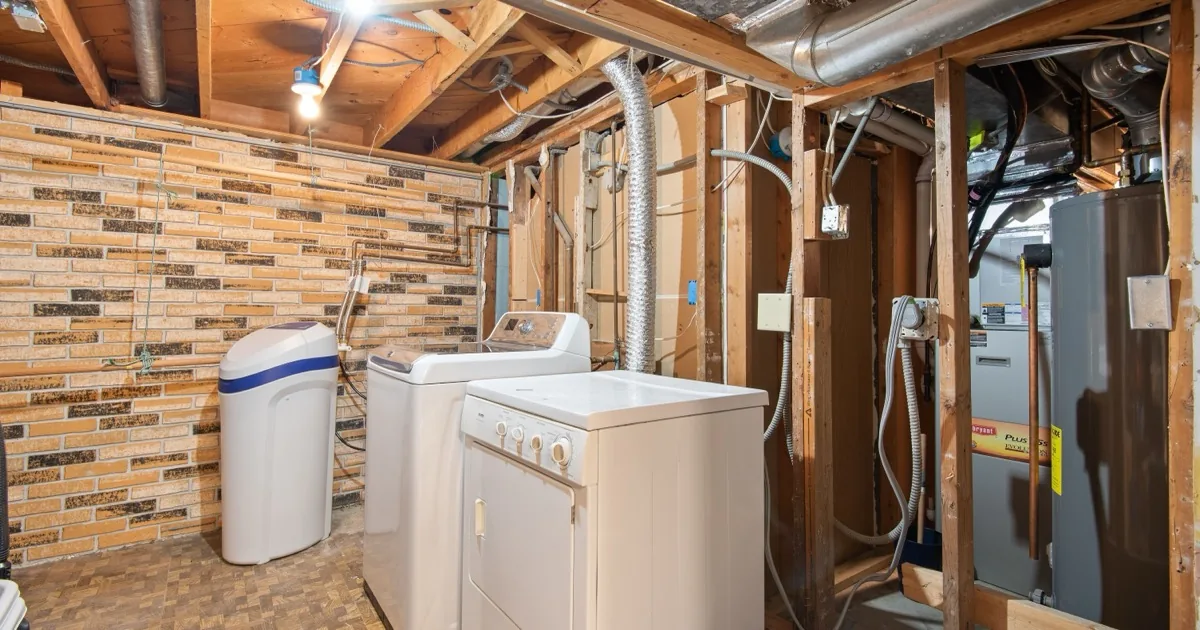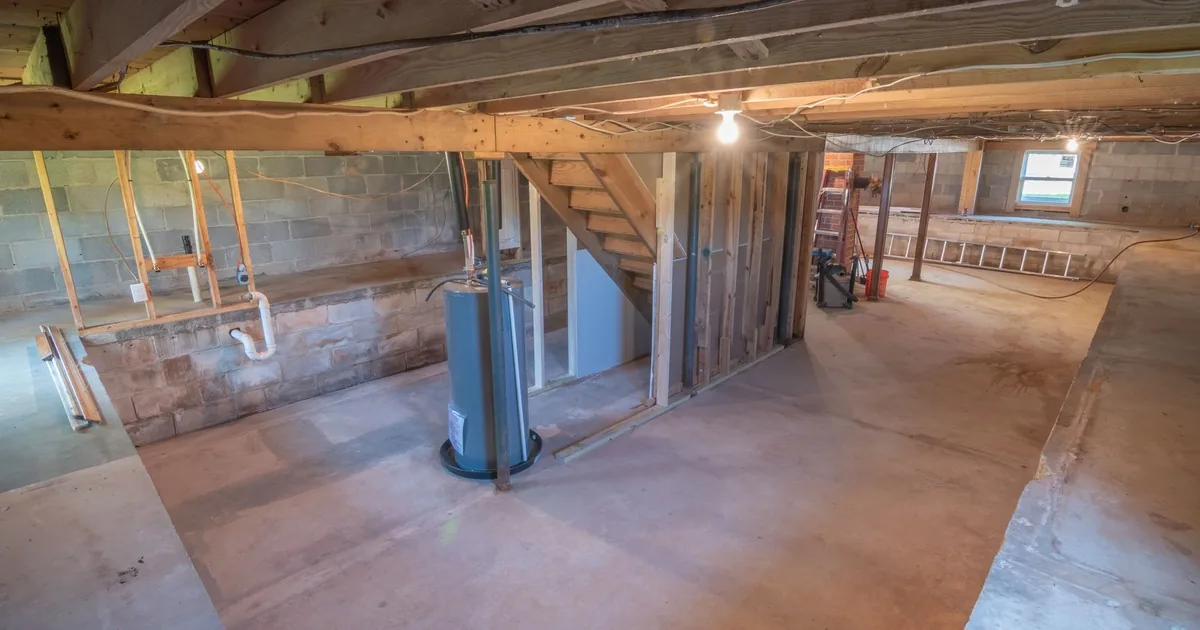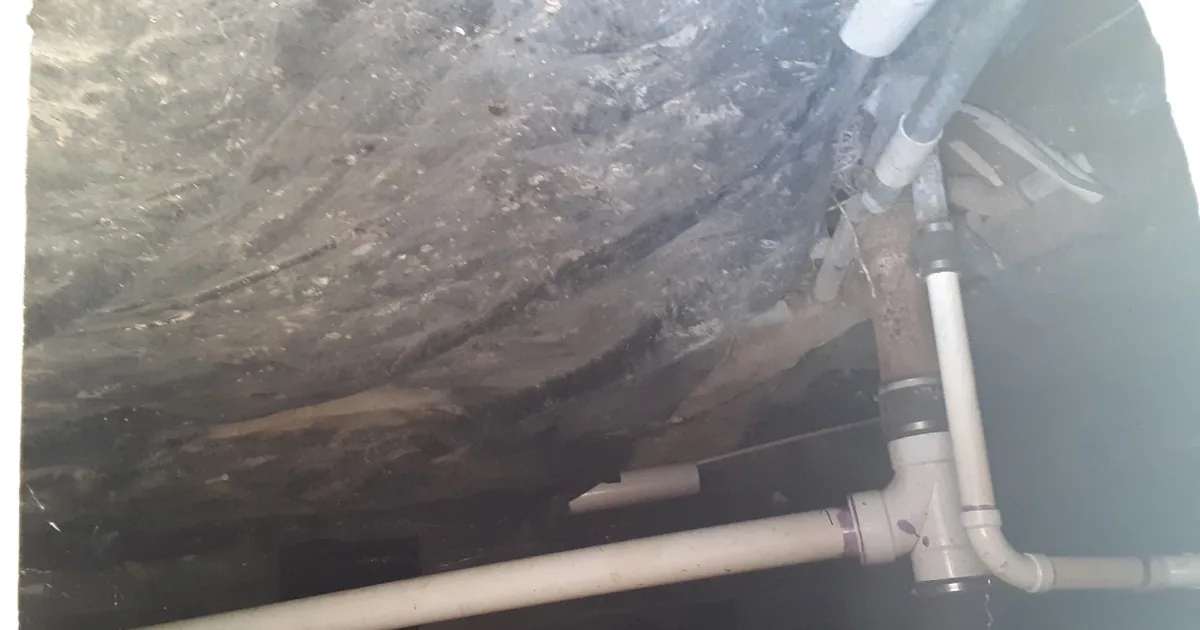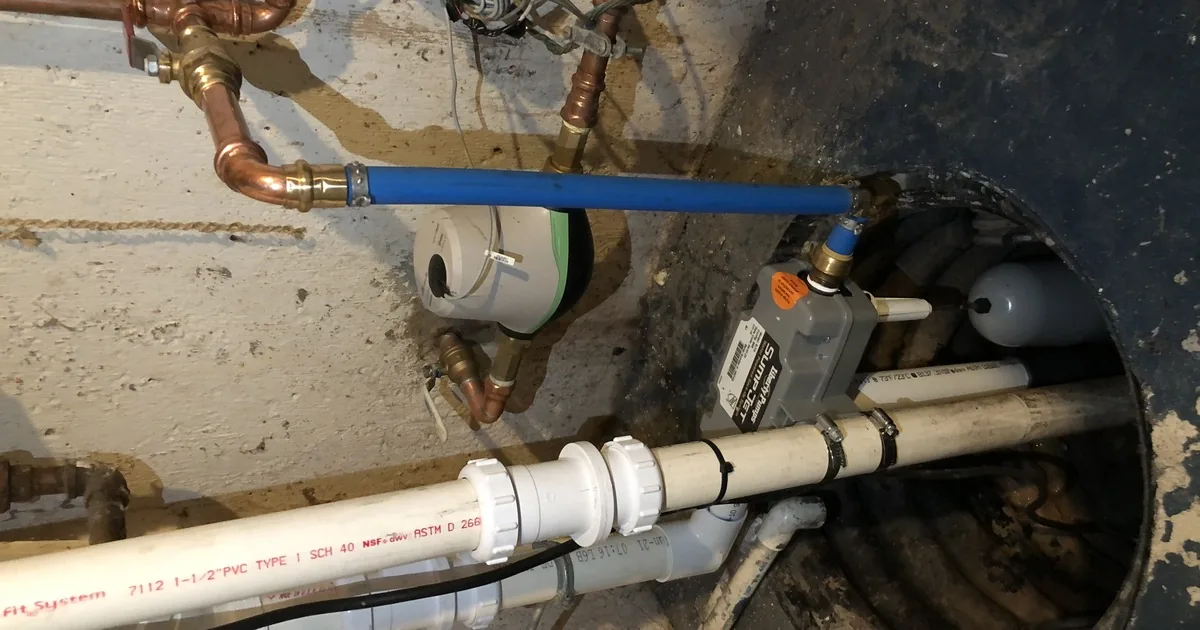
A homeowner calls on a clear Tuesday and says, “I want a battery backup before the next storm.” The request sounds ready to schedule. Then the details arrive: the sump pit has a sealed cover, the primary pump is twelve years old, one outlet serves several basement devices, and nobody knows where the discharge pipe ends.
That call needs a site record before it needs a product recommendation. Capture the problem the homeowner wants covered, the existing pump and pit, discharge piping, power, battery location, water-entry pattern, access, and photos. Leave pump selection, electrical decisions, and the final layout to the field estimator.
First, rule out an emergency. If the primary pump has stopped, water is rising, or the basement floor is already wet, move the call into the company’s urgent routing process. The guide to sump pump failure calls covers that situation. A planned backup quote can wait for an estimator. Rising water cannot.
Start with the failure the homeowner wants covered
“Battery backup” can mean several different things to a caller. One person fears a neighborhood power outage. Another has seen the primary pump jam during heavy rain. A third wants an alarm after finding water marks above the normal switch level. Ask what happened, when it happened, and what equipment was running at the time.
Record whether the home has lost power during storms, whether the primary pump has ever failed while power remained on, and whether water has risen above its usual level. Ask how the homeowner discovered the problem: an audible alarm, a phone alert, pump noise, standing water, or a visual check of the pit. If water entered the basement, note where it appeared and whether cleanup or electrical hazards remain.
A battery-powered backup is temporary support for a primary sump system. The Pentair Simer A5300 manual and the Liberty Pumps Model 441 manual each describe their backup pump that way. That distinction should shape the call. Reception can document the desired protection, but should not tell the customer that one battery or pump will cover every outage or primary-pump problem.
Ask whether the homeowner wants a backup added to the existing system or expects the primary pump to be assessed too. A noisy, frequently cycling, corroded, or unreliable primary pump belongs in the estimate notes. So do warning signs such as a stuck float or a pump that starts only after someone taps it. The related guide to sump pump failure warning signs can help the office recognize those reports without diagnosing the equipment by phone.
Map the pit before discussing equipment
The estimator needs the inside dimensions of the basin, not a guess based on the lid. Ask the homeowner to measure the opening only if it can be done without removing a sealed cover, reaching into the pit, touching wiring, or standing on a wet floor. Label every customer measurement as approximate.
Capture these facts in the work order:
- Inside width and depth, if safely visible
- Cover type, including whether it appears sealed, bolted, or tied into a radon system
- Primary pump type and any readable brand or model information
- Number and location of pumps already in the pit
- Normal water level and the highest water mark the caller can see
- Float style, position, and whether it appears to move freely, without asking the caller to operate it
- Drain-tile or inlet locations and whether incoming water strikes a float
- Mud, gravel, rust, debris, cords, or pipework that may restrict space
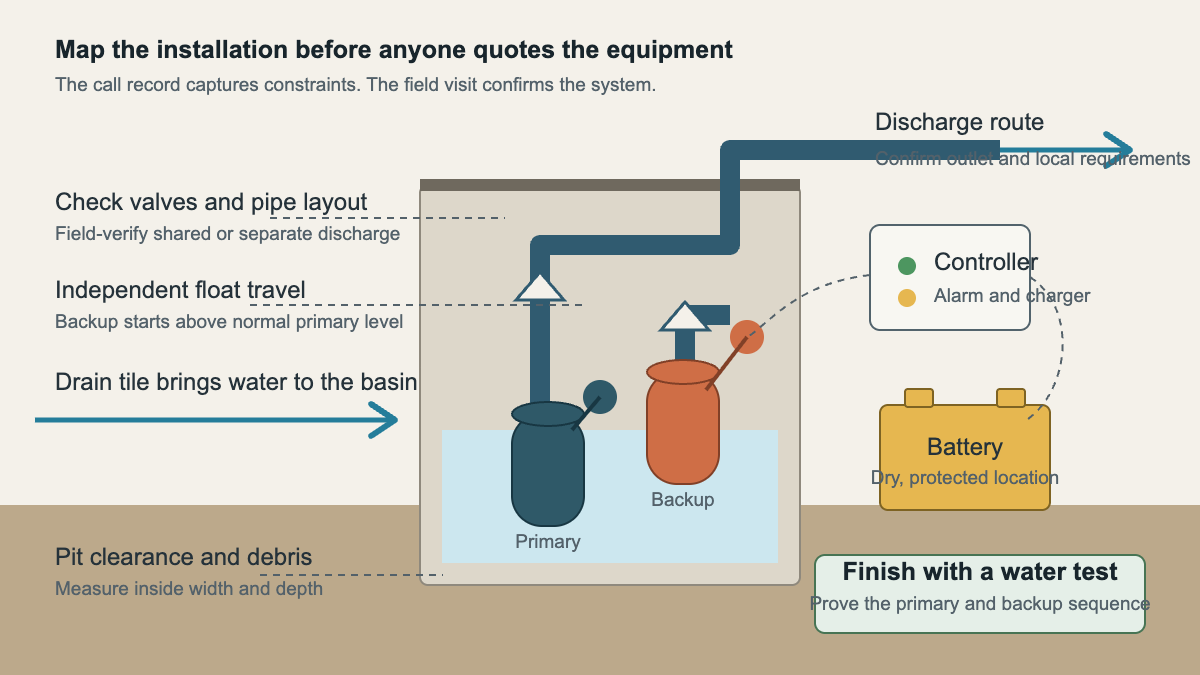
Two pumps can fit physically and still interfere with each other. The backup float usually needs its own clear travel above the primary pump’s normal start level. The pumps cannot touch in a way that traps a switch or transfers vibration. Manufacturer instructions also address debris, pump supports, and basin arrangement. Those are field checks.
Ask for a wide photo of the entire pit area, a view straight down through an already open cover, and side views that show the piping and cords. Never ask a caller to open a sealed radon cover, disconnect a pump, lift a float, or put a hand into the basin for a better picture.
Trace the discharge and power paths
Follow the discharge pipe in the photos as far as the homeowner can see. Record pipe material and approximate diameter only when the caller knows them or a label is readable. Note visible check valves, unions, tees, elbows, shutoff valves, and the point where piping leaves the basement. Ask where the water discharges outdoors and whether that outlet freezes, clogs, or sends water back toward the foundation.
Backup systems may use a separate discharge or connect into existing piping. Pentair’s manual describes each arrangement and recommends separate discharge where practical for that model. Liberty’s instructions also make check-valve placement part of the assembly. Reception should avoid choosing between those methods. The estimator must account for the installed pump, available route, head height, local requirements, and the condition of existing piping.
Power deserves the same treatment. Ask how many outlets are near the pit, whether they are above the floor, and what else shares them. Record any extension cord, power strip, tripped GFCI, damaged cover, loose plug, or outlet close to past water marks. Do not tell the homeowner to test or reset electrical equipment while standing on a damp floor.
The installation manuals set product-specific rules for outlets, grounding, chargers, and circuits. For example, the Zoeller Basement Sentry STBC201 instructions call for GFCI-protected power and separate circuits for that combination system. That does not make the same layout correct for every product or home. Put the existing conditions in the record and flag electrical work for a qualified person when company policy requires it.
Find a dry place for the battery and controller
Ask where the homeowner expects the battery, charger, and controller to sit. A spot beside the basin may be damp, exposed to a water heater, crowded by storage, or within reach of children. Photos should show the wall, floor, nearby appliances, outlets, and the route between the proposed equipment location and the pit.
Manufacturer guidance consistently keeps batteries and chargers dry and protected, but the acceptable battery type and location depend on the selected equipment. Liberty’s manual calls for a compatible 12-volt lead-acid battery for its system and warns about battery gases, terminals, and wet locations. Pentair and Zoeller publish their own battery requirements. The office should record what is already present without promising that an old automotive battery, an existing battery box, or a shelf will be approved.
Ask whether the customer wants an audible alarm, remote notifications, or simple local status lights. Then record the home’s internet conditions if connected alerts matter. An app may report status, but it cannot prove that a blocked discharge is moving water outdoors. Keep monitoring expectations separate from pumping performance.
Ask about water load without promising runtime
A useful call describes how the pit behaves. Ask how often the primary pump runs during ordinary weather and during the hardest rain the homeowner remembers. Does water enter as a steady stream, a fast surge, or intermittent trickles? Does the pump cycle every few minutes, run for long stretches, or remain quiet most of the year? Record the caller’s words and the weather conditions.
Do not turn those observations into a runtime promise. Pump output changes with lift, pipe resistance, battery condition, charge level, water inflow, and the selected system. Even a manufacturer’s published figure belongs to a defined test condition. “This will run all night” is a field and product claim that reception cannot support from a phone call.
The safer readback is specific: “You want backup operation during outages, and the pit cycles heavily in long rain. The estimator will verify the vertical lift, discharge, battery, and pump requirements before quoting a system.”
Finish the handoff with access and a real test
Ask who owns the property, who can approve the work, and who will meet the estimator. Record basement access, stair width, locked doors, pets, tenant notice, parking, finished walls around the pit, shelving, and anything that blocks the work area. If the home has a radon system, finished floor, high-water alarm, generator, or monitoring service, put it in the notes.
The final handoff should sound like this:
“Owner requests a planned battery-backup estimate after two neighborhood outages last summer. No active water and primary pump is operating. Pit is in a finished utility room under a sealed clear cover marked as part of the radon system. Customer did not open it. Photos show one submersible pump, one visible check valve, and PVC discharge leaving through the rear wall. Basin dimensions and float clearance are unknown.
“Two wall outlets are visible above the pit. Owner says the pump and dehumidifier share the area and will have the outlet arrangement verified. Proposed battery space is on the adjacent wall, above prior water marks and away from the water heater, subject to installer approval. Wi-Fi reaches the room and the owner wants an audible alarm plus phone alerts.
“During hard rain, the customer reports frequent cycling but has no timed cycle count. Estimator to inspect the primary pump, basin, float travel, discharge outlet, lift, check valves, power, battery location, and radon-cover implications. Written quote must state equipment, electrical scope, alarm setup, maintenance instructions, and test procedure.”
A completed installation still needs a water test. The manuals from Pentair, Liberty, and Zoeller direct installers to verify actual pump and control operation, including backup activation. Lights and charger status are useful. Water moving out through the intended discharge is the proof the homeowner needs before the next storm.