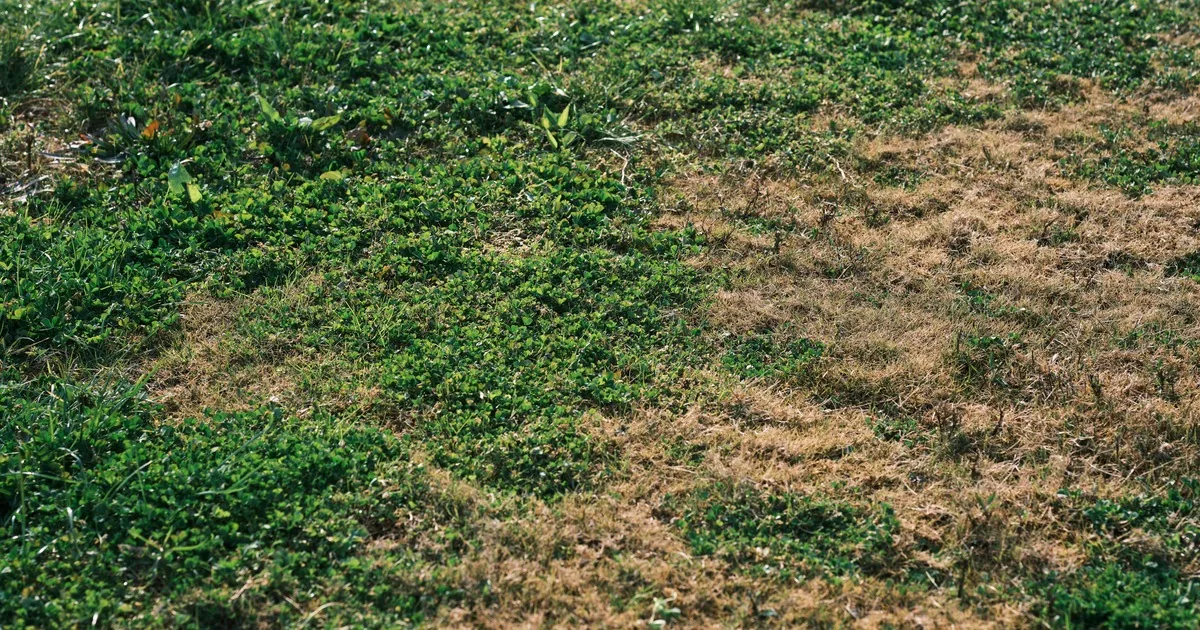
The call comes in the third week of May. Somebody's back yard got away from them over a rainy stretch, the grass is past ankle height, and they want it handled before the weekend. So they ask the only question they know how to ask: "How much to cut my lawn?"
The office quotes a single cut, drops it on Thursday's route, the crew mows it, and the invoice gets paid. Everyone did their job. And in about three weeks that same yard is shaggy again, and the homeowner calls whoever picks up. Maybe it's you. Often it isn't.
That is the pattern most lawn care companies never look at directly. The lead was real, the work happened, and the customer still has to be re-won on their next growth cycle. Every season starts from something close to zero.
Why a one-time mow is your most expensive visit
Think about what it took to make that phone ring. Ad spend, a Local Services listing, a yard sign, a truck wrap, a referral you earned by doing good work somewhere else. Whatever the source, you paid for it once, in money or in time, and it produced one caller.
If that caller books a single cut, the whole cost of getting them sits on one stop. If they go on a recurring plan, the same cost spreads across every visit for the rest of the season. That is the structural argument, and it holds whether your acquisition cost is high or low. The one-off customer is the same lead, bought at the same price, delivering a fraction of the work.
Route economics push in the same direction. Plan customers cluster onto a fixed service day, so your Tuesday truck runs a tight loop with short drives between stops. One-time cuts land wherever they land on the calendar and wherever they sit on the map, which means windshield time that nobody is paying you for. There is office drag too. Every one-off gets its own quote, its own scheduling touch, its own invoice, its own payment chase. A plan customer gets set up once.
None of that requires a spreadsheet to see. Look at your route sheet for a week in July and count how many stops came from customers you had to convince this month.
The mowing-season crush is when this gets worst
The stretch where recurring plans matter most is the stretch where nobody in your company has time to sell them. April through June, the crews are out at first light and the phone rings all day. The person who would normally talk a caller through service intervals is either running a mower or triaging a backlog of voicemails at 8 p.m.
Across home services, unanswered inbound calls are one of the quietest ways work walks out the door. There is no complaint and no bad review. The phone rings out while your crew is thirty minutes away with a trimmer running, and a homeowner who was ready to schedule dials the next name. For lawn care that loss doubles, because you missed the visit and you also missed the conversation where that visit could have become a season.
Rushed calls do a subtler version of the same damage. When the office is slammed, the fastest way to end a call is to book the one thing the caller asked for. Nobody has thirty seconds to ask what the lawn actually needs.
This is where an AI receptionist earns its keep in this trade. It answers on the first ring at 6 a.m. and at 9 p.m., during the crush and on Saturdays, without pulling anyone off a mower. It asks the same qualifying questions every time and captures the details in writing. It never gets too busy to ask about a recurring day.
The moment on the call where the plan should come up
There is a specific point in a lawn care call where the plan offer lands, and it is easy to miss on either side.
Too early, and you are pitching a contract to somebody who has not told you anything about their property yet. Too late, and you have already said "we'll see you Thursday," which closes the conversation. The window sits right after you have collected the property details and before you confirm the visit.
The reason is simple. You just asked how tall the grass is and when it was last serviced. If the answer is "pretty tall" and "about three weeks ago," the caller has just described an interval problem out loud, and they know it. The natural next sentence is about scheduling, not selling:
"Sounds like it's been about three weeks since the last cut, which is why it got ahead of you. For a lot this size, most of our customers hold steady on a weekly or every-other-week visit through the summer. Do you want me to put you on a regular day, or just handle this one for now?"
That works because it is framed as a calendar question with an obvious answer, coming right after the caller volunteered the evidence. A receptionist who asks it on every call will book plans that a receptionist who quotes and hangs up never hears about.
Weekly, biweekly, or monthly without quoting a price
You cannot price recurring service on the phone. Lot size, slope, gate width, tree cover, and how many beds have to be edged all move the number, and a figure you guess at is one you either walk back later or eat all season. But you can absolutely explain the intervals, because the interval question is about the lawn and not about the money.
Weekly service fits a fertilized or irrigated lawn in peak growing season. The point is keeping each cut to roughly the top third of the blade, which is what keeps clippings from clumping and keeps the turf from getting scalped. If a customer wants their yard to look consistent all summer, weekly is the honest answer.
Every other week fits slower growth: shade-heavy yards, cooler shoulder months, unirrigated lawns in a dry stretch, or a homeowner who is fine with the grass looking a little long by day twelve. It is also a reasonable landing spot for someone who is not ready to commit to weekly and would otherwise book nothing.
Monthly is really a tidy-up interval rather than a mowing schedule. It suits dormant season maintenance, low-water landscaping, or properties where the work is mostly edging, beds, and cleanup.
Give the caller that much and you have made the interval decision without touching the price. Then hand off cleanly: the exact rate gets confirmed once someone has looked at the property, because the lot and the obstacles set the time on site. Customers accept that easily. What they will not accept is a number that changes after they say yes.
"Just this once" usually means "not on a contract"
When a caller says "just this once," they usually mean "not on a contract." What they are picturing is a signed agreement, a cancellation fee, and a charge that lands whether or not the grass grew.
Two moves work here. First, agree and book the single cut without friction, because arguing with a first-time caller loses the job you already had. Then propose the smallest possible second step: "I'll get Thursday on the schedule. Want me to pencil in the Thursday after that too? You can drop it any time up to the day before." A tentative second visit is a far easier yes than a season, and by the second visit the crew has proven itself.
Second, find out what is behind the hesitation, because the answer changes your response. Somebody testing you after a bad experience with their last company needs to hear how you handle missed visits. Somebody watching their budget in June might do better on biweekly than on nothing. Somebody listing their house next month genuinely does want one cut, and pushing a plan on them just wastes both your time.
That last one is why the switching question matters. A caller who is leaving another provider has already accepted the idea of recurring lawn service. They fired someone over reliability, communication, or quality, and if your receptionist captures the reason, you know exactly what to promise. Those callers convert to plans more readily than a first-time buyer ever will.
When the crew is booked three weeks out
A full calendar in peak season is the strongest argument you have for committing, so stop treating it like an apology.
The mistake is leading with the bad news. "We're booked three weeks out" sounds like a no, and the caller hangs up and keeps dialing. Lead with the recurring option instead, because that is the one with a real date attached: "My Tuesday route has an opening starting June 9. If I put you on it now, that slot is yours for the season. One-time cuts I'm scheduling about three weeks out anyway, so you'd be waiting the same amount of time either way."
Same wait, better outcome, and the caller can see it. For the overgrown yard that cannot wait, treat the first visit as its own job. A reset cut on a tall lawn takes longer, sometimes needs a double pass, and can fairly be scheduled into an overflow slot or a Saturday, then followed by the regular route. That is a cleaner conversation than pretending it is a normal mow.
The one thing that has to actually work is the callback. A waitlist is only worth building if somebody calls those people when a slot opens, which means every one of them needs a captured address, a preferred day, and a window when they can be reached.
Qualifying questions your receptionist should capture
Whether a person or an AI answers the phone, these are the details that turn a lawn care inbound into a route-ready, plan-eligible customer. Get them on the first call and the recurring conversation happens while the caller is still on the line.
- Property address and approximate lot size
- Current grass height and the date of the last service
- Gate access, gate width, and whether pets are on the property
- Irrigation, sprinkler heads, or other obstacles the crew needs to work around
- Whether they want a one-time visit or recurring service
- Preferred service day
- Whether they are switching from another provider, and what went wrong there
- Best window to reach them for a callback
Capture that on the first ring in the middle of May, while your crews stay on the mowers, and the yard that got away from a homeowner this week becomes a Tuesday stop for the rest of the season.
Answara answers every inbound call for your lawn care business, asks the interval question on every one, and captures the property details your route needs.