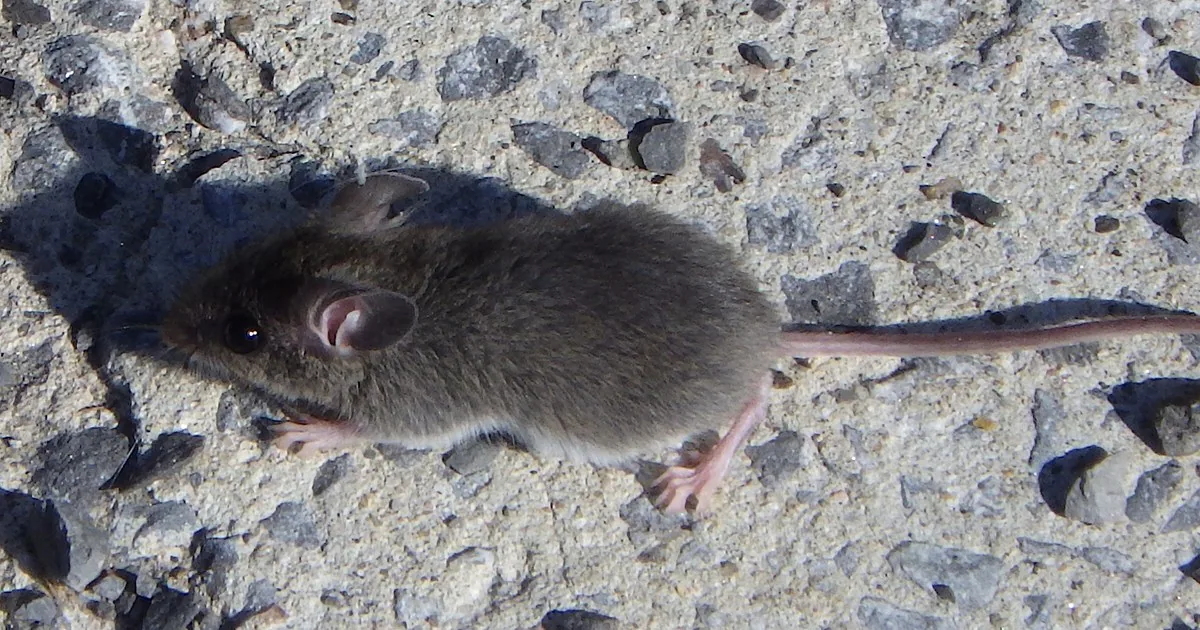
A homeowner calls at 8:10 p.m. after finding droppings in the silverware drawer. They want someone there now, they have already put the dog in a bedroom, and they cannot tell whether the animal was a mouse or a rat. The office needs to calm the call, flag genuine safety concerns, and book the right kind of inspection without diagnosing the infestation by phone.
The best intake starts with evidence and location. Ask what the caller saw, where they found it, when it appeared, and whether children or pets can reach the area. Then collect property, access, sanitation, and prior-treatment details. Do not promise that one visit will solve the problem. Rodent work often depends on an on-site inspection, exclusion of entry points, removal of food and water sources, and a control plan suited to the property.
Separate urgency from panic
A mouse sighting is upsetting. It does not automatically require an emergency dispatch. The scheduler should first look for conditions that change how the call is handled: a possible pesticide exposure, a bite or scratch, contaminated food in a business, extensive droppings in an enclosed space, damaged wiring, or an animal trapped where a person cannot safely avoid it.
If someone may have swallowed or touched rodent poison, treat that as an exposure question, not a routine pest appointment. Follow your company's emergency protocol and direct the caller to the product label and the appropriate poison or medical resource. The receptionist should never improvise treatment advice. Likewise, a report of sparks, hot wiring, or a burning smell belongs with the fire department or an electrician as appropriate, while the rodent inspection can follow once the immediate hazard is controlled.
Most calls can be scheduled as prompt inspections. Give the caller a clear next step and a realistic arrival window. “I can schedule an inspection tomorrow morning. The technician will look for activity and entry points before recommending treatment” is accurate. “We will get every mouse tonight” is a promise the field team may have no way to keep.
Ask for signs, not the caller's diagnosis
Callers use “rat,” “mouse,” “squirrel,” and “something in the wall” interchangeably. Build the job record around what they actually observed. The EPA lists droppings, gnaw marks, tracks, nesting material, stale odors, and noises as common signs of rodent activity. Those details are more useful than a confident species guess made during a stressful call.
Ask these questions in the caller's own language:
- What did you see or hear: an animal, droppings, gnawing, scratching, a nest, a smell, or damaged food packaging?
- Where was it found, and on which floor? Get the room plus the exact spot, such as under the kitchen sink, above a drop ceiling, beside the water heater, or behind stored feed.
- When did you first notice it, and has the activity changed since then?
- Are the noises mostly heard during the day or at night?
- Have you seen one animal or repeated activity in several areas?
- Can you safely take photos without touching droppings, nesting material, traps, or bait?
Record uncertainty. “Caller heard scratching over the bedroom ceiling for three nights” gives a technician solid evidence. “Rats in attic” may send the wrong equipment if nobody has seen a rodent at all.
The distinction also protects the scope of the appointment. Wildlife in an attic may fall outside a pest company's license, insurance, or service menu. A clean intake lets the office route the lead to the right technician or refer it without wasting a drive.
Pin the activity to the building
Rodent inspections are building investigations. A single-family house with an attached garage creates a different search pattern than a restaurant in a shared retail strip. The appointment length, access plan, and permission to work can all change with the property.
Collect the service address early. Then ask whether the property is a detached home, duplex, apartment, multi-unit building, restaurant, warehouse, farm building, or another type of site. For a tenant, identify who can authorize inspection and treatment. For a commercial caller, get the on-site contact and ask whether the affected space shares walls, utility chases, trash areas, or loading access with neighboring units.
The technician also needs to know where activity meets likely shelter. Ask about attics, crawlspaces, basements, garages, sheds, drop ceilings, utility rooms, and inaccessible voids. Note locked gates, alarm instructions, parking limits, tenant notice requirements, and whether a ladder or roof access may be needed. Do not tell a caller to enter a tight crawlspace for the sake of the intake form.
Children, pets, and existing bait change the visit
Ask about children, pets, livestock, and anyone who may have trouble staying away from a treatment area. Get specific. “Pets” could mean a dog that eats anything in the yard, indoor cats that hunt mice, chickens beside an outbuilding, or a snake whose frozen feed is stored in the garage.
Then ask what has already been used. The answer may include snap traps, glue boards, loose bait, enclosed bait stations, repellents, ultrasonic devices, or a product applied by another company. Record product names when the caller can read the label safely. Note where each trap or bait station sits and whether any bait is missing.
This is a safety issue as well as a service detail. The National Pesticide Information Center warns that rodent baits can attract children and pets and should never be used or stored within their reach. EPA guidance also explains that poison baits are used in tamper-resistant stations. The technician needs an honest map of existing products before adding, moving, or removing anything.
Avoid pesticide advice on the booking call. Product selection depends on the label, the site, local rules, and the applicator's judgment. The office can explain that the technician will review treatment choices and precautions on site.
Food, water, and entry points belong in the notes
A good rodent plan addresses the conditions supporting activity. EPA recommends sealing openings and removing accessible food, water, and shelter. That makes sanitation and exclusion questions part of qualification, even when the caller only wants traps.
Ask whether pet food, bird seed, livestock feed, pantry goods, restaurant ingredients, or trash are stored near the affected area. Note leaking pipes, standing water, floor drains, condensation, and open beverage containers. Outdoors, ask about dumpsters, compost, fallen fruit, dense storage against the building, and feed spills. These details do not assign blame. They show the technician where to inspect first.
Ask whether the caller has noticed gaps around pipes, damaged vents, missing door sweeps, holes near the foundation, or gnawed garage-door seals. Do not ask them to seal a suspected opening before the inspection. Closing the wrong hole can leave an animal trapped in a wall or remove a useful clue about how it entered.
Be careful with pricing here. Some companies include a basic inspection and control visit but quote exclusion work separately after they can see the structure. Others have distinct inspection, trapping, cleanup, and repair services. The receptionist should explain the company's actual pricing model and mark which services the caller wants evaluated. A phone description is rarely enough for a firm whole-job price.
Give safe cleanup guidance without turning the call into a tutorial
A caller holding a vacuum beside a pile of droppings needs one clear warning: stop and avoid disturbing the material. The CDC advises against sweeping or vacuuming rodent urine, droppings, or nesting material. Its cleanup guidance calls for ventilating the space and wetting contaminated material with disinfectant before removal, with added precautions for heavy infestations.
Keep the office response short and within policy. Ask the caller to keep people and pets out of the affected area until they can review the CDC instructions or speak with the technician. Do not estimate the caller's health risk, identify a disease from symptoms, or tell an employee to clean a heavily contaminated room without proper assessment.
Cleanup scope needs its own intake note. Ask how much material is present, whether it is in a living area, food-preparation space, HVAC equipment, insulation, vehicle, or closed outbuilding, and whether anyone has already swept or vacuumed it. Confirm whether your company performs sanitation and contaminated-material removal. If it does not, say so before the appointment.
Build a dispatch note the technician can use
A useful record reads like a scene, not a label. Compare “rodent problem” with this:
“Owner-occupied ranch home. Droppings appeared in pantry and under sink this week; scratching heard above kitchen at night. One indoor cat and a toddler. Caller placed two snap traps behind refrigerator, no poison used. Pet food stored in garage bin. Technician may access basement and attic; owner will meet at front door. Inspection requested for activity, entry points, and treatment options.”
That note lets the technician plan the inspection and start the customer conversation with context. It also gives the office a clean handoff if the route changes. An AI receptionist can collect the same fields after hours, but the intake logic and escalation rules still need to come from the pest-control company.
The final confirmation should state the appointment window, who must be present, areas that need access, and what the first visit includes. Ask the caller to leave evidence and existing devices in place unless a technician says otherwise. A well-qualified rodent call arrives on the schedule as a property to inspect, not a frightened voicemail marked “urgent.”