A property manager calls at 4:40 on Friday and asks for a monthly price to maintain “the community pool.” Ten minutes into the conversation, you learn there are two pools, a spa, a chemical room with restricted access, weekend swim meets, and a controller that has been faulting since July.
That is a site-walk request, not a price request.
A pool service office should use the first call to identify the property, collect the written bid requirements, learn who can make decisions, and schedule an on-site review. Do not quote unseen commercial work from gallonage and visit frequency alone. The physical plant, operating calendar, records, access rules, current defects, and repair-approval process can change the job before anyone tests the water.
Book the walk before discussing a number
Start by asking what prompted the inquiry. The owner may be replacing a vendor at renewal, responding to inspection findings, opening a newly acquired property, or seeking a formal bid under a procurement deadline. Those are different situations.
Ask for the request for proposal, scope of work, current service agreement, or bid form while the caller is still on the phone. If there is no written scope, ask who will define it and whether competing vendors will receive the same information. A comparison is only useful when each bidder is pricing the same duties.
A real 2025 school district pool maintenance RFP made a multi-site walk mandatory and disqualified bidders who skipped it. Your prospect may use a less formal process, but the lesson holds. A site walk reveals work that “pool maintenance” leaves unnamed.
The first call should establish:
- Property name, service address, ownership or management company, and venue type
- Bid contact, on-site contact, contract signer, and person authorized to approve repairs
- Proposal deadline, required format, walk-through date, intended start date, and contract term
- Current provider’s end date and any gap in service
- Written scope, addenda, site plans, equipment lists, inspection reports, and available service logs
- Insurance, licensing, certification, background-screening, vendor-registration, or purchasing requirements stated by the owner
- Whether the bidder may submit questions and how answers will be shared
Do not tell the caller that your company satisfies a requirement until the relevant document has been checked. “Commercial pool” can describe an eight-unit apartment building, a hotel spa, a school competition pool, or a municipal complex. Each owner and jurisdiction can ask for different proof.
Count every body of water and operating condition
The CDC says its Model Aquatic Health Code addresses aquatic venues open to the public, including those operated by hotels, apartment complexes, homeowners associations, clubs, schools, and waterparks. That list is useful for intake because it reminds the office how broad a commercial request can be.
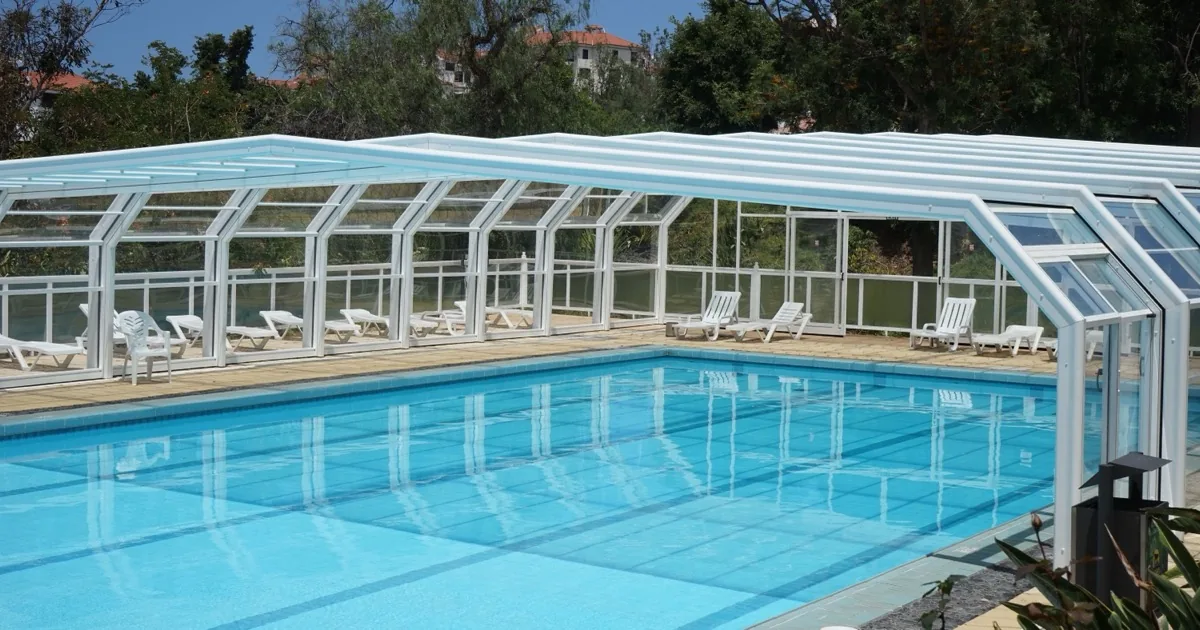
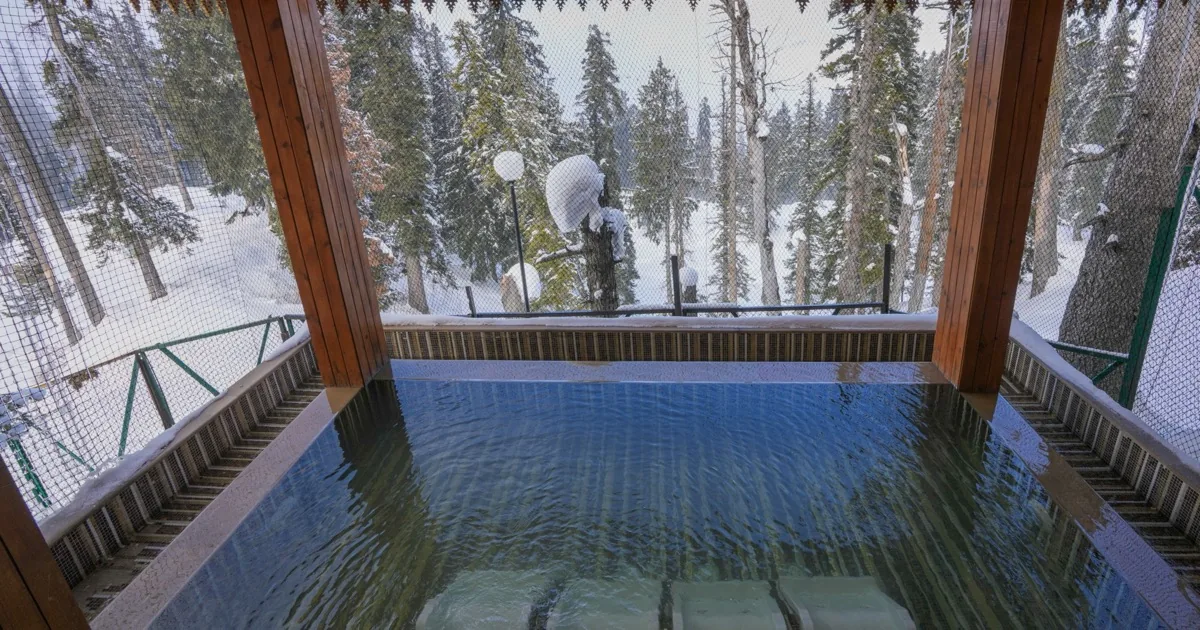
Get the count first. Ask about lap pools, leisure pools, wading pools, spas, splash pads, therapy pools, fountains, and any water feature connected to the same treatment system. Record which bodies share circulation, heating, sanitation, or automation. The caller may call the whole property “one pool” even when the technician will maintain several systems.
Then map the operating calendar. Is the venue open year-round or seasonally? What are the public hours? Are there swim practices, classes, hotel quiet hours, resident events, school meets, or maintenance windows? Find out when a technician can enter the deck, equipment room, and chemical storage area without disrupting use.
Ask what must happen outside normal visits. Some owners expect event support, storm cleanup, freeze preparation, seasonal opening, cover handling, after-hours response, or staff coordination. Capture the expectation without agreeing to it. The estimator needs to decide whether the route and staffing can support the property.
Walk five places, not one pool deck
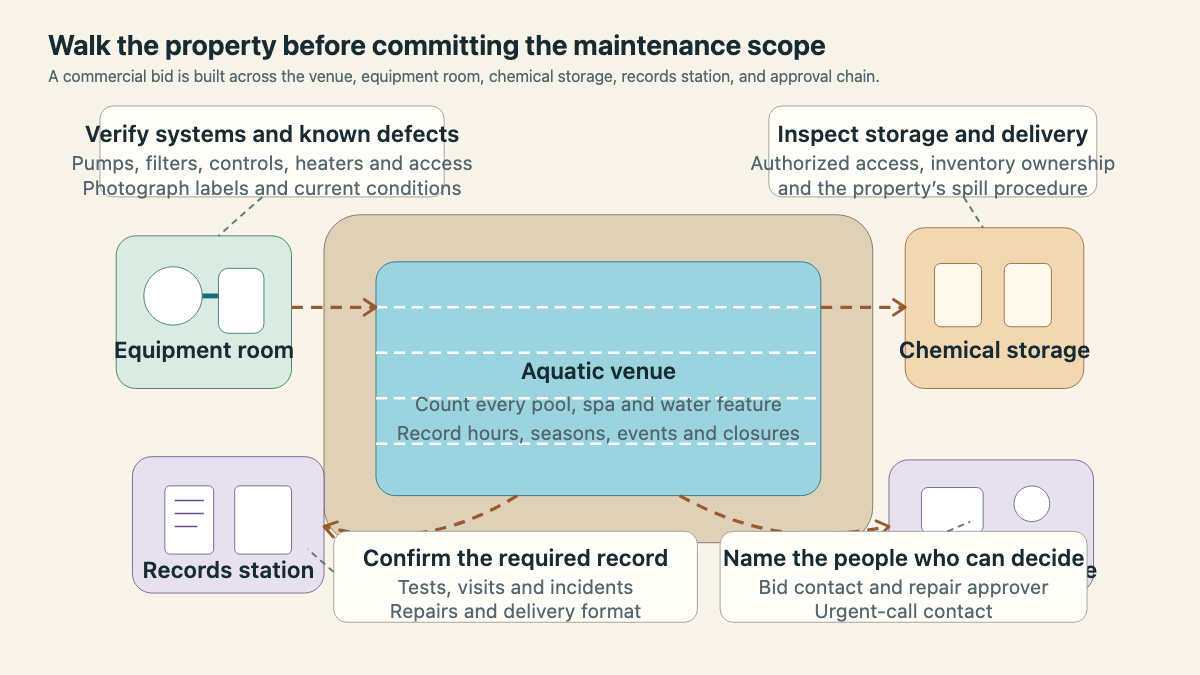
The pool is the visible part of the contract. A useful site walk also reaches the equipment room, storage area, records station, and management office.
At the water, record dimensions if the owner has them, surface type, depth markers, gutters or skimmers, covers, ladders, lifts, starting blocks, attached features, and visible condition. Photograph each venue only with permission. Note the route used to move vacuum equipment and supplies.
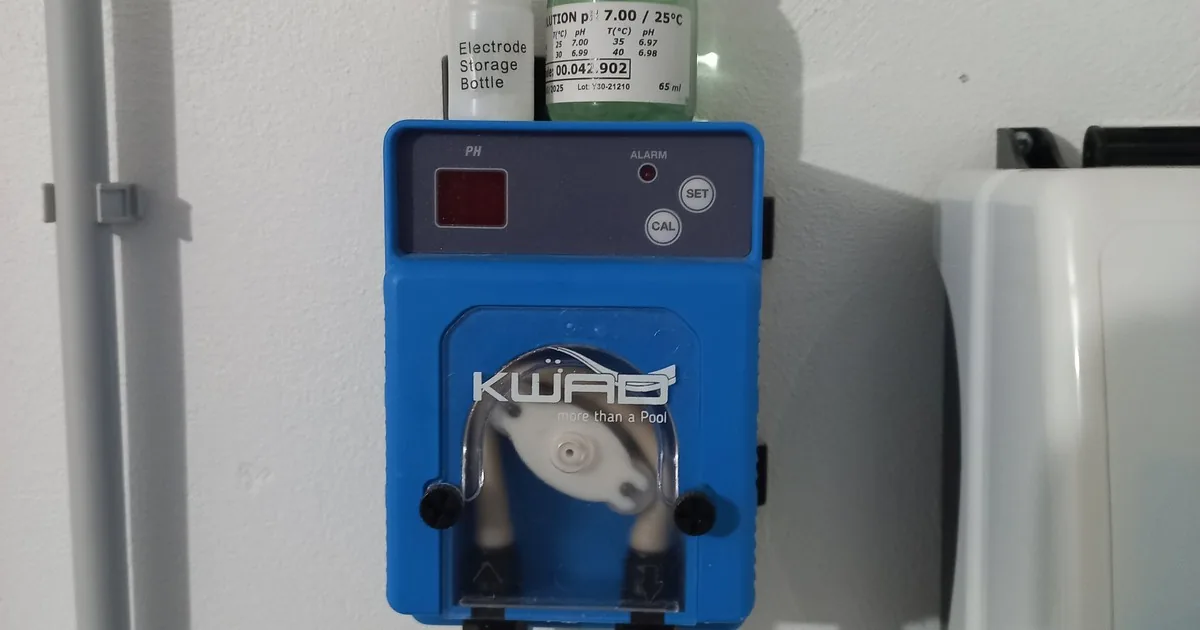
In the equipment area, identify pumps, filters, feeders, heaters, controllers, flow meters, gauges, tanks, and any secondary systems. Take readable label photos. Ask which equipment is owner-maintained, which is included in the bid, and which has an active service agreement with another vendor. A controller alarm belongs in the existing-condition record even when repair sits outside routine maintenance.
Chemical storage deserves its own stop. Verify who purchases inventory, who receives deliveries, how authorized technicians gain access, and where the property keeps its spill procedure and safety information. Office staff should collect policy and access facts. Product selection, storage compatibility, dosing, and remediation belong with qualified personnel and the governing documents.
Finally, find the records. Are test results written in an on-site log, entered into an owner portal, emailed, or kept in two places? The school district RFP above required a pool log and an electronic record on every visit, plus maintenance reporting. That is one owner’s requirement, not a universal rule. It shows why “complete the log” is too vague for a bid.
Separate recurring service, repairs, and urgent response
Commercial proposals fail when the base scope quietly absorbs every possible problem. During intake, ask the caller to describe expected recurring work in plain terms. Testing water, cleaning baskets, skimming, vacuuming, cleaning tile, maintaining records, checking equipment, and managing inventory are separate duties. Their frequency and ownership should come from the property’s written requirements and the site review.
Now ask how repairs work. Who receives a defect report? Can a technician complete a small repair during a routine visit, or does every repair require a written quote and purchase order? Is there a dollar threshold? Who can authorize work after hours? If approval comes from a board or central purchasing office, the field contact may be unable to approve even a time-sensitive repair.
Define “emergency” in the owner’s language. A leaking feeder, loss of circulation, contamination event, unsafe deck condition, and comfort complaint may trigger different contacts and procedures. Ask which conditions require immediate notice, who decides whether the venue closes, and what response the bid document actually requires.
Keep local authority clear. CDC describes the MAHC as guidance, currently in its fifth edition, and explains that it becomes law only when a jurisdiction adopts it. Local codes can differ. The office should record the health department and governing jurisdiction named by the owner, then let the estimator verify the applicable requirements. Never promise that a national model automatically answers a local compliance question.
Ask what condition the next contractor inherits
A maintenance bid should distinguish steady-state service from catch-up work. Ask for the latest inspection report, open correction notices, repair list, water or equipment incidents, and recent vendor recommendations. Find out whether any venue is closed, operating under a temporary procedure, losing water, failing to heat, or showing recurring chemistry or circulation trouble.
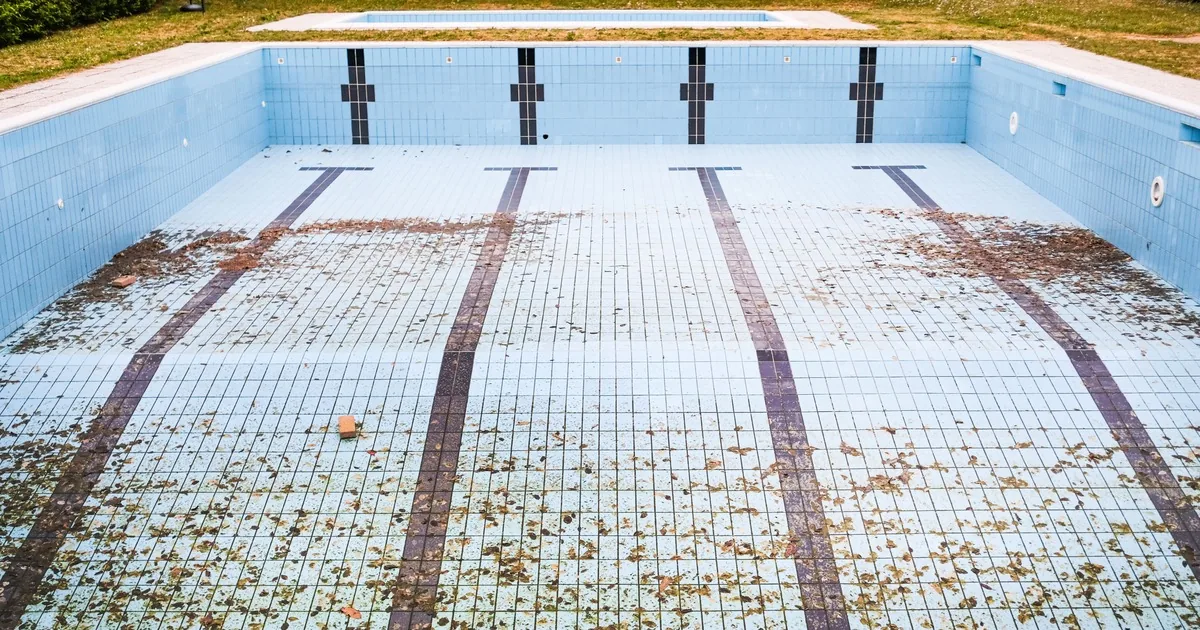
Request service logs and repair history when they are available. A clean-looking pool can still have a plant-room issue, an unreliable controller, incomplete records, or a component near the end of its service life. Conversely, stained plaster may be a known capital item that the owner has excluded from the maintenance contract. The estimator needs the distinction in writing.
Do not criticize the outgoing vendor during the call or site walk. Record observations, ask for documents, and label unknowns. “Filter condition unknown; owner could not provide the last service date” is useful. “Previous company neglected filter” assigns blame without evidence.
If the caller wants service to begin before the full bid process is complete, separate interim work from the proposed contract. Document who authorized the temporary scope, the dates it covers, and what happens when the main agreement starts.
Build a ticket the estimator can use
A strong handoff reads like this:
“Request from Cedar Court property manager for annual maintenance proposal. Two outdoor pools and one spa; caller says pool systems are separate and spa equipment is shared with the east pool, to verify on site. Seasonal resident hours plus six scheduled events. Written scope and latest inspection report requested. Owner expects digital visit records and emailed incident notices. Routine repairs need property-manager approval; capital work goes to the board. Proposal due October 16. Site walk booked with facilities supervisor for October 2 at 9:00 a.m. Equipment-room and chemical-storage access confirmed. Existing heater fault and east-pool water loss noted as current conditions, not included repairs.”
That ticket gives the estimator a property map, documents to chase, people to meet, and conditions to inspect. “Needs commercial pool quote” gives them another phone call.
A receptionist or AI receptionist can gather the same approved intake fields and route deadlines to the right person. It should not select service frequencies, interpret code, promise response times, or price the contract. Those decisions belong after document review and a physical walk.
Before ending the call, read back the deadline, venue count, documents promised, site-walk time, attendees, access instructions, and known defects. Then send the estimator the written scope as soon as it arrives. The first useful number comes after the property has stopped being a single phrase on the phone.