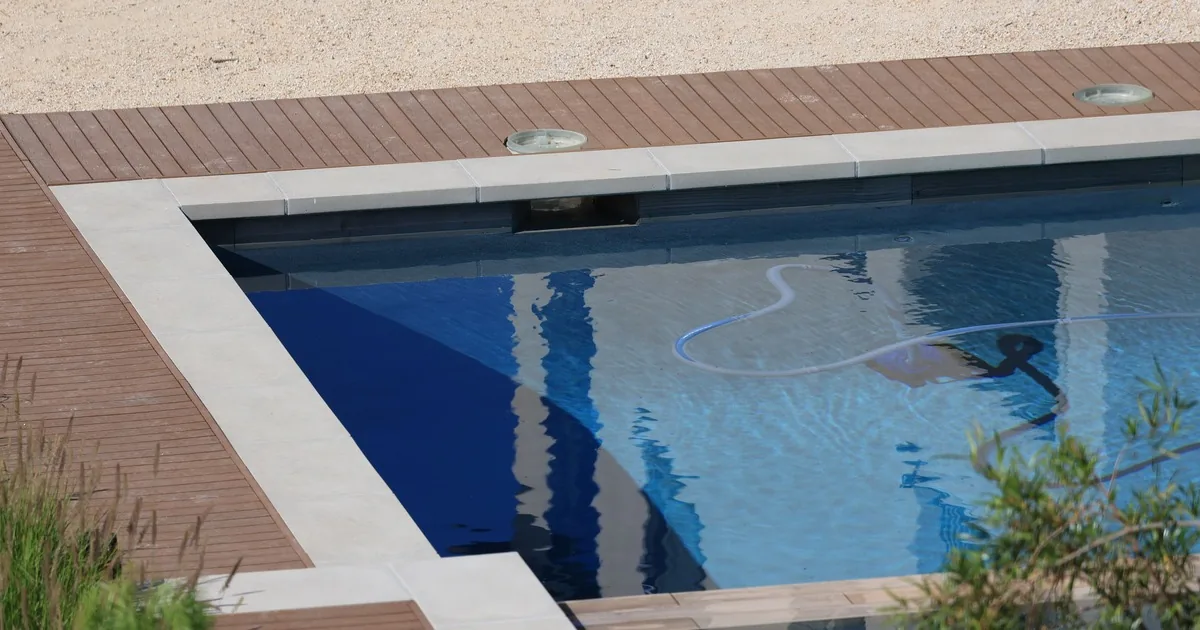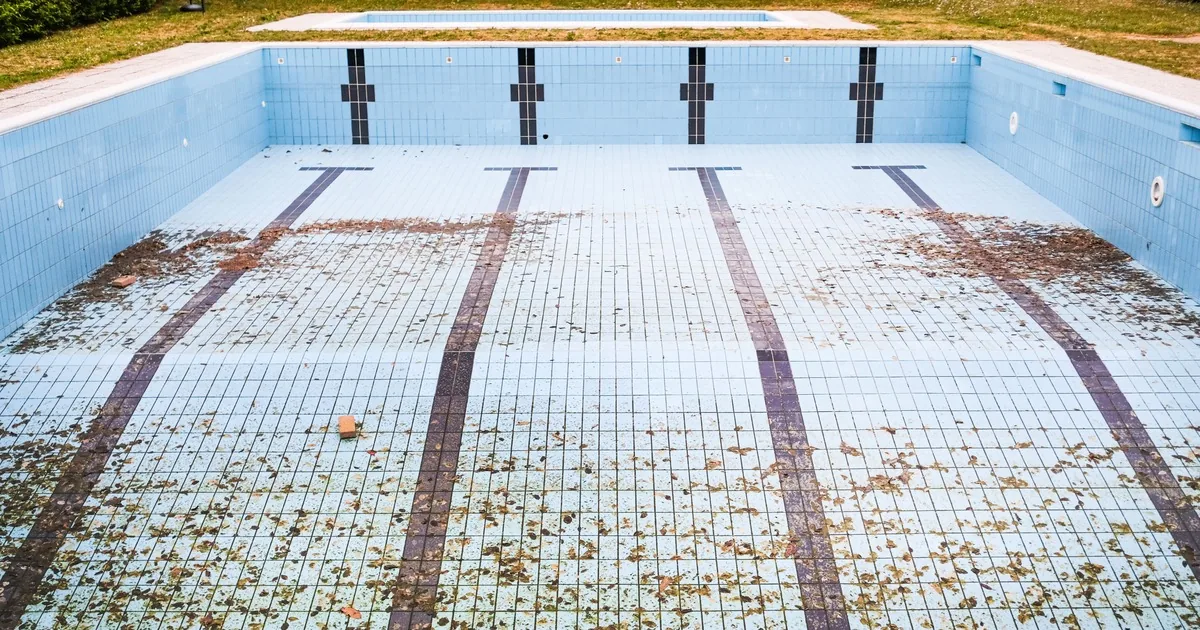
“My pool surface is rough and I want a price to replaster it.” That caller has described a symptom and a possible project. The office still does not know whether the pool is concrete, fiberglass, or vinyl; whether the complaint involves the finish or a deeper repair; or whether tile, coping, steps, and an attached spa belong in the quote.
A useful first call identifies the pool, records what the customer sees, maps the requested renovation scope, captures access and timing, and books a field consultation. Keep the water in the pool unless the contractor gives site-specific instructions. A final scope usually depends on inspection, and some conditions appear only after draining and surface preparation.
Identify the pool before discussing a finish
Start with the service address and construction type. Ask, “Is the interior plaster or aggregate over concrete, a fiberglass shell, or a vinyl liner?” Many owners will not know. Request one wide photo showing the whole pool and close photos of the waterline, steps, and problem areas. Old proposals, warranty records, finish invoices, and construction plans can help too.
This distinction changes the route. Traditional resurfacing removes or prepares an existing surface and applies a new finish. Anthony & Sylvan's resurfacing guide separates concrete and fiberglass methods and notes that vinyl pools follow a liner-replacement path. Send a confirmed vinyl call to the appropriate liner workflow in the pool service resource hub.
Record shape, approximate length and width, shallow and deep areas, steps, benches, shelves, an attached spa, and water features. Label every dimension as customer-reported. A homeowner's “about 15 by 30” helps the office choose an appointment type, but it is not a field measurement or a basis for ordering material.
Ask who built the pool, when the current finish was installed, and what finish the owner believes is there now. Useful answers include white plaster, quartz, pebble aggregate, paint, fiberglass gel coat, or “unknown.” Do not turn the age of the finish into a diagnosis. Water history, preparation, substrate condition, and prior repairs also matter.
Record the symptom without diagnosing the shell
Let the caller describe the surface in ordinary words. “The shallow end feels like sandpaper” belongs in the ticket. So does “small white flakes collect near the main drain” or “a brown stain starts below the metal handrail.” Those notes preserve location and appearance without claiming a cause.
Ask when the condition appeared, whether it is changing, and where it occurs. Capture roughness, staining, discoloration, flaking, peeling, visible aggregate, blisters, chips, cracks, hollow-sounding areas already identified by a contractor, and worn fiberglass. Anthony & Sylvan lists several of these observations as reasons to seek a professional assessment. None tells the receptionist whether the correct answer is cleaning, patching, resurfacing, recoating, or structural repair.
Cracks need calm, exact questions. Where is the crack? Is it in the interior finish, waterline tile, coping, deck, or several areas? Does the caller see displacement, active water loss, rust staining, or a recent change? Ask for a photo with a familiar object nearby for scale, taken safely from the deck. Do not ask anyone to enter the pool, chip at the surface, or perform a tap test.
Water loss follows a separate path. Record how the customer noticed it, how quickly the level appears to change, where the water seems to stop, and whether wet soil or washout is visible. A surface complaint and a leak can occur together, but the call does not prove they share a cause. Use the pool leak detection intake guide when the source remains unknown.
Map the physical scope around the pool
A resurfacing estimate can expand at the waterline. Ask whether the customer wants to keep or replace the tile. Record missing pieces, loose sections, cracked grout, mineral buildup, and stains. Then ask about coping: material, movement, cracks, loose stones, and whether the owner wants a repair or a full change.
Continue around the shell. Count visible skimmers, returns, drains, lights, vacuum ports, cleaner lines, handrails, ladders, steps, benches, shelves, and spa connections. Ask whether any faceplates, rings, fittings, or lights are already scheduled for replacement. The office is building a scope map, not a material takeoff.
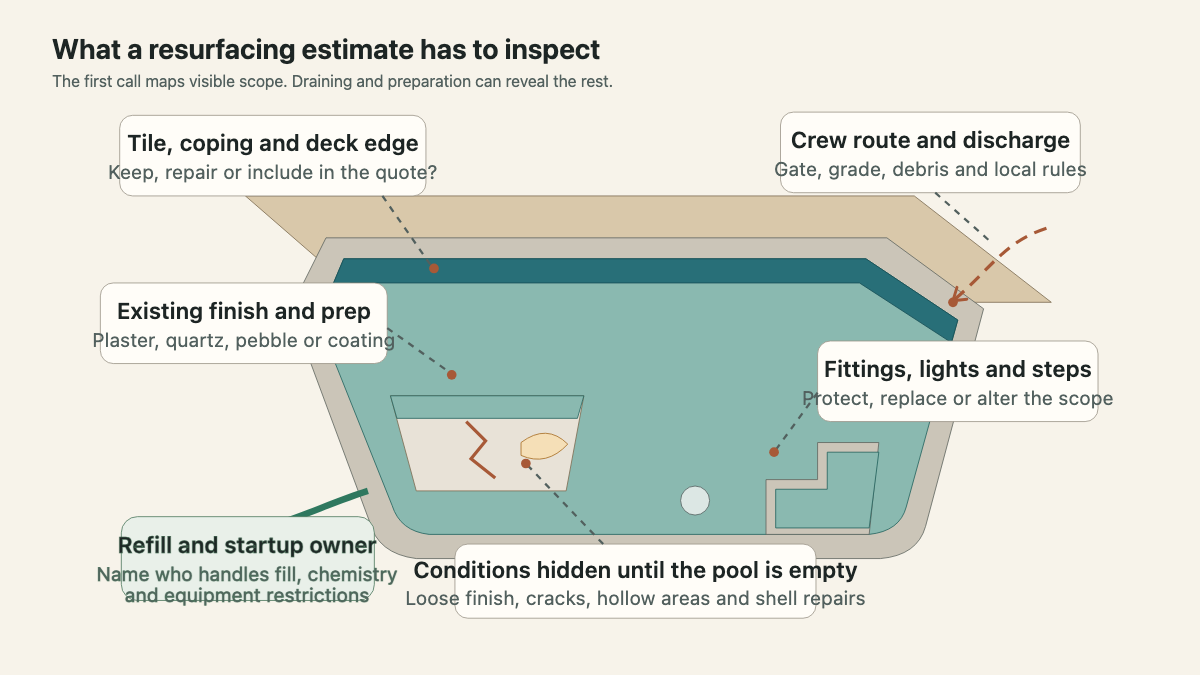
Surface preparation can expose work that nobody could confirm from a full pool. Cornerstone Pool & Remodel's process overview describes loose material, cracks, hollow areas, rebar exposure, and bond-beam damage that may become visible during preparation. Put known repair history into the ticket and mark hidden conditions as pending inspection.
Ask whether the customer also wants deck work, new lights, step changes, a handrail, equipment replacement, plumbing changes, or automation. Pentair's pool renovation planning guide recommends bringing examples and discussing equipment, terrain, utilities, local requirements, and desired features with the pool professional. A finish-only lead and a backyard renovation need different consultation slots.
Capture access, water, and the working site
The crew has to move tools, material, hoses, and demolition debris between the street and the shell. Ask about gate width, stairs, steep grades, narrow side yards, locked enclosures, pets, soft ground, parking limits, elevators, and access through the house. For a rooftop, courtyard, or indoor pool, record that immediately.
Water and discharge deserve their own notes. What is the current water level? Has heavy rain fallen recently? Does the owner know of high groundwater, a hydrostatic valve, a prior shell movement, or drainage trouble? Where is the equipment pad, and is electrical service available at the site? Record the answers. Leave the method to the field team.
Leslie's pool draining guidance warns that local discharge rules, groundwater, pool construction, equipment, heat, and sunlight can change the risk of draining. The office should never tell an owner to empty the pool before the contractor reviews the site. A simple line works: “Please leave the water level where it is until our project team gives you instructions for this pool.”
Define the refill and startup handoff
A resurfacing job continues after the finish is applied. Ask what fill-water source is available and whether the property uses municipal water, a well, delivered water, or another arrangement. Record water restrictions, unreliable well yield, long hose runs, and access limits. Do not promise a refill method on the intake call.
Name the person responsible for startup. Will the resurfacing contractor handle the fill and initial chemistry, will a maintenance company take over, or is the owner expected to follow written instructions? Record any heater, salt system, cleaner, automation, or other equipment that may need a restricted startup schedule.
Manufacturer directions can be specific. Pentair's iChlor manual says not to operate that salt chlorine generator on newly surfaced plaster for one month and directs owners to follow the surface manufacturer's guidance. That is a product-specific instruction, not a universal rule for every finish or system. The ticket should identify the equipment so the project team can give the correct handoff.
Qualify timing and decision authority
Ask why the caller wants the work now. A home sale, party, tenant turnover, seasonal opening, travel plan, or larger backyard project can create a real deadline. Record the date and call it requested. Weather, finish selection, hidden repairs, permits, water availability, crew capacity, and startup requirements can affect the schedule after inspection.
Identify the property owner and the person who can approve the project. Rental homes, associations, hotels, commercial facilities, and managed properties may involve an onsite contact, an owner, and a separate payer. Ask who will meet the estimator and who must approve changes if concealed damage is found.
Budget questions need a clean boundary. The office can explain the company's consultation or diagnostic fee and describe how estimates are prepared. Avoid a final phone price based on gallons, a satellite view, or one photo. Pool shape, surface area, preparation, finish, waterline work, fittings, access, repairs, water, and startup can all change the written scope.
Read back a field-ready consultation ticket
A good read-back sounds like this:
“Owner requests a resurfacing consultation for an outdoor residential concrete pool. Freeform shell with attached raised spa, customer estimates about 30 feet long. Current finish is believed to be white plaster installed before the present owner purchased the home. The shallow floor feels rough, and two palm-sized areas near the steps are flaking. A diagonal crack is visible in one waterline tile; owner reports no confirmed water loss. Photos show four entry steps, one light, two skimmers, and pebble coping. Owner wants finish and waterline tile priced separately and may add a handrail. Access is through a side gate with two steps and a narrow turn. Municipal fill water is available. Salt system and heater are on the equipment pad. Startup responsibility is pending. Requested completion is before a June family event. Owner understands scope and timing follow site inspection.”
That note gives the estimator a pool, a symptom, a requested scope, a working site, equipment context, and a decision-maker. It also preserves what the office cannot know yet.
The pool service resource hub has related intake guides for leaks, equipment, liners, seasonal work, and water systems. An AI receptionist can collect the same resurfacing fields after hours and route urgent hazards, but the standard should remain the same: document what the caller knows, ask for safe photos, and leave draining, diagnosis, and final scope to the project team.