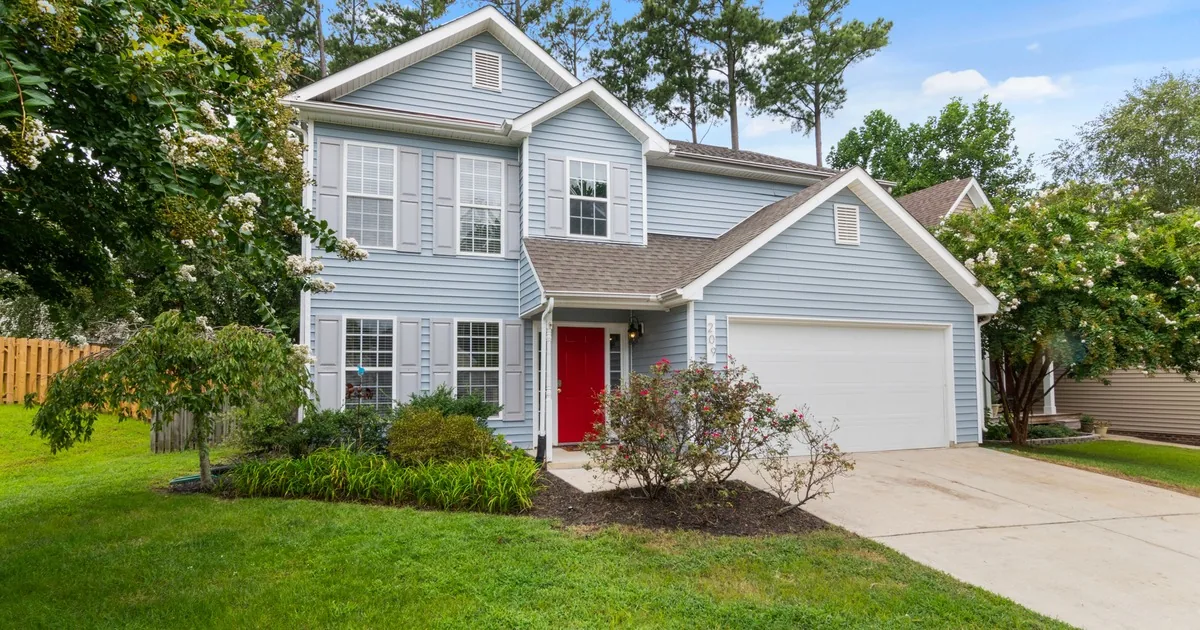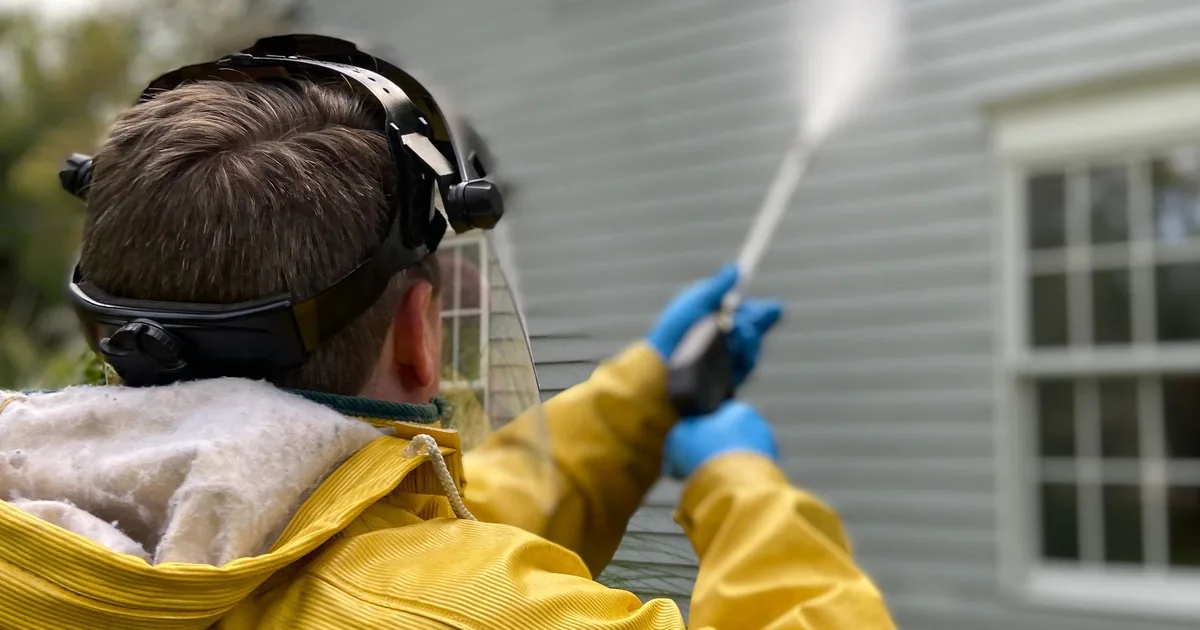
A homeowner calls about washing peeling paint from a 1920s house before a painter arrives. One wall is three feet from the neighboring building. A basement window sits below the work area, children use the side yard, and the driveway slopes toward a curb inlet. The caller asks for a price and a date.
That request needs qualified review before anyone promises either. Start with the building year and use, exact painted surfaces, coating condition, purpose of the work, prior lead testing or reports, occupant details, access, property-line clearance, openings, ground conditions, drainage, and service address. The office can build a clean site record. A qualified person must decide rule coverage, testing, work practices, and whether the company can accept the job.
Screen the building before discussing the wash
Ask when the building was constructed and how it is used. Record the caller’s source for the date, such as a property record, inspection report, permit file, or estimate. If the caller does not know, leave the year unknown and request documentation. Do not infer it from the architecture.
Next, identify the occupancy. Is this an owner-occupied house, rental, apartment building, preschool, daycare, mixed-use property, or vacant renovation? Does anyone operate childcare from the home? Is the owner preparing the property for sale or rent? Those facts can change the review path.
The U.S. EPA’s Renovation, Repair and Painting program overview says the federal RRP Rule generally applies to paid work that disturbs painted surfaces in pre-1978 housing and child-occupied facilities. EPA also lists states and Tribes that administer authorized programs. Capture the service address so the estimator can identify the proper authority.
Treat the construction date as a routing fact. A pre-1978 date does not prove that a particular surface contains lead-based paint. Ask whether the owner has a lead inspection, risk assessment, paint-chip result, or testing record for the surfaces involved. Record who performed the test, the date, the exact surfaces tested, and the report location. Reception should never interpret an unlabeled swab photo or recommend a test kit.
Describe the painted surface as it looks today
“Wash the siding” is too broad. Name each wall, trim band, soffit, porch ceiling, column, railing, window assembly, door, foundation coating, detached garage, fence section, or outbuilding in the request. Ask for one wide photo that shows the whole elevation and close photos of every damaged area.
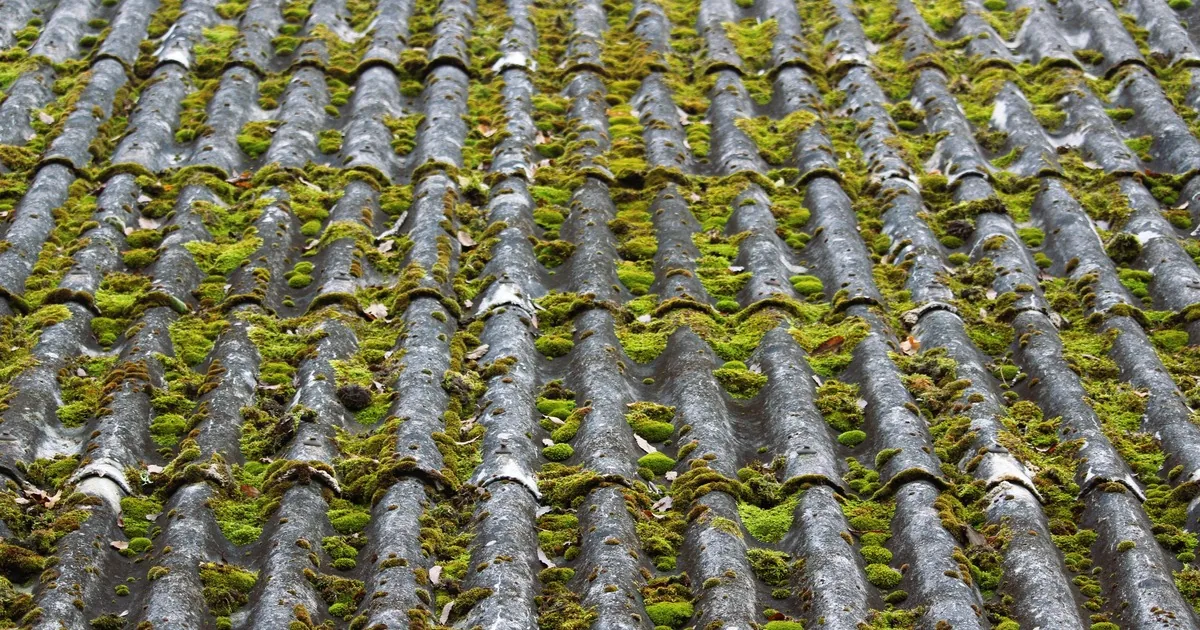
Record the material if the caller knows it: wood clapboard, shingles, masonry, stucco, metal, fiber cement, or another surface. Keep uncertain materials marked unknown. Then describe the coating without diagnosing it. Useful observations include peeling edges, loose flakes, chalky residue, alligator cracking, blistering, exposed substrate, bare patches, or an intact finish. Note where each condition appears and roughly how much of the elevation it affects, but label all measurements as customer-reported.
Ask what the customer expects the washing to accomplish. Routine soil removal, mildew treatment, preparation for repainting, and removal of loose coating are different requests. A painter may have asked for “a clean surface” without specifying who owns paint preparation or debris control. Record the painter’s written requirements and contact information when coordination is needed.
The ordinary house soft-wash intake covers siding material, stain location, fixtures, water access, plants, and runoff. Use that framework after the older-painted-surface screen. Do not let routine wash questions replace the safety review.
Map containment and wastewater constraints
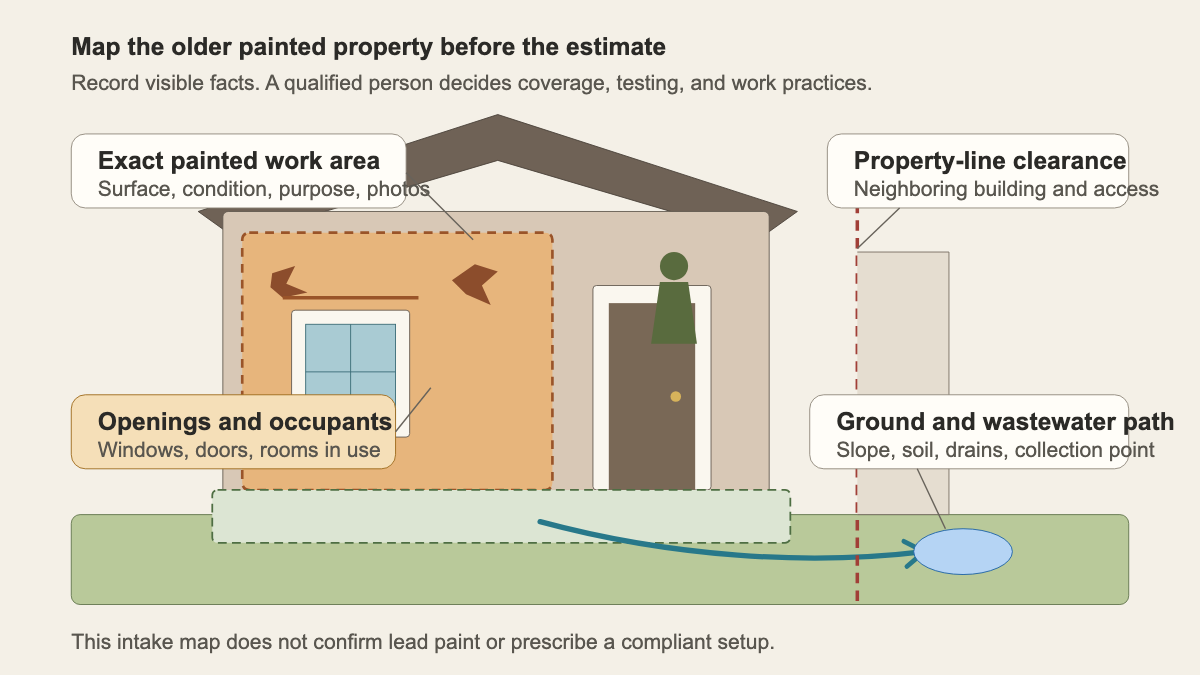
The phone record should make the work area visible. For each elevation, capture the distance to the property line, neighboring buildings, sidewalks, driveways, patios, play areas, gardens, soil, grass, decks, window wells, and roof sections below. Ask about fences, gates, narrow side yards, overhead wires, steep grades, and locked access.
Mark every nearby opening and air intake. That includes windows, doors, vents, window air conditioners, exhaust outlets, crawlspace openings, basement windows, and pet doors. Record which openings are damaged, cannot close, or serve an occupied room. Ask where residents, children, pets, tenants, and visitors will be during the proposed work window. Preserve all emergency exits in the site notes.
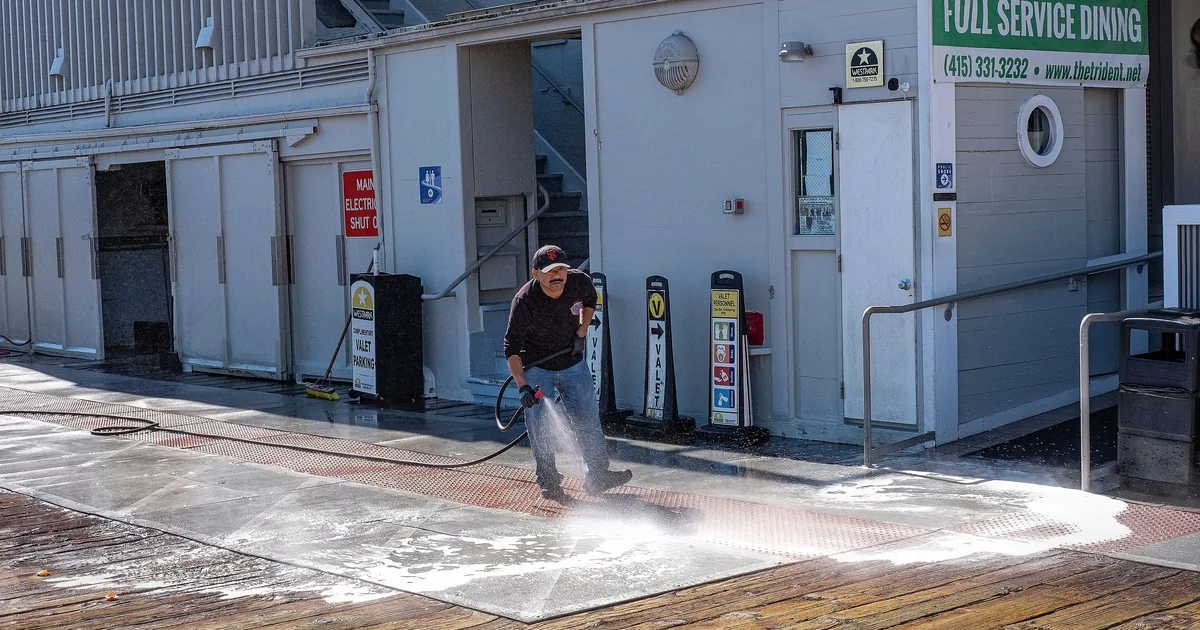
EPA’s RRP work-practice FAQ says pressure washing is permitted under the federal rule, while covered work remains subject to containment requirements. EPA says the firm must prevent dust and debris, including material in wastewater, from leaving the work area. Containment must remain intact and cannot interfere with emergency egress.
That is why drainage belongs in the first call. Ask where the ground slopes, where downspouts discharge, whether a sump outlet crosses the area, and where water reaches soil, pavement, a catch basin, a storm drain, or neighboring property. Note existing paint chips on the ground before work. Record any forecast-driven deadline, but do not promise that a wet or windy day can proceed.
Wastewater handling can depend on the project and local authority. EPA directs firms to check with the local water-treatment authority. The office should capture drains, collection access, and jurisdiction. The qualified person chooses the work plan.
Keep reception out of compliance decisions
A confident wrong answer on the phone can create a bad estimate before the estimator sees the wall. Give call takers a firm boundary. They collect what the caller reports, request photos and documents, and route the record. They do not decide whether the rule applies, declare paint lead-free, approve containment, select pressure or chemicals, or promise a disposal route.
Avoid casual assurances such as “we can wash it on low pressure,” “the painter will handle the chips,” or “the runoff can go into the lawn.” Pressure setting alone does not resolve the site questions. Another trade’s involvement does not assign responsibilities. A yard is still part of the property and may contain play areas, food gardens, wells, drains, or neighboring runoff paths.
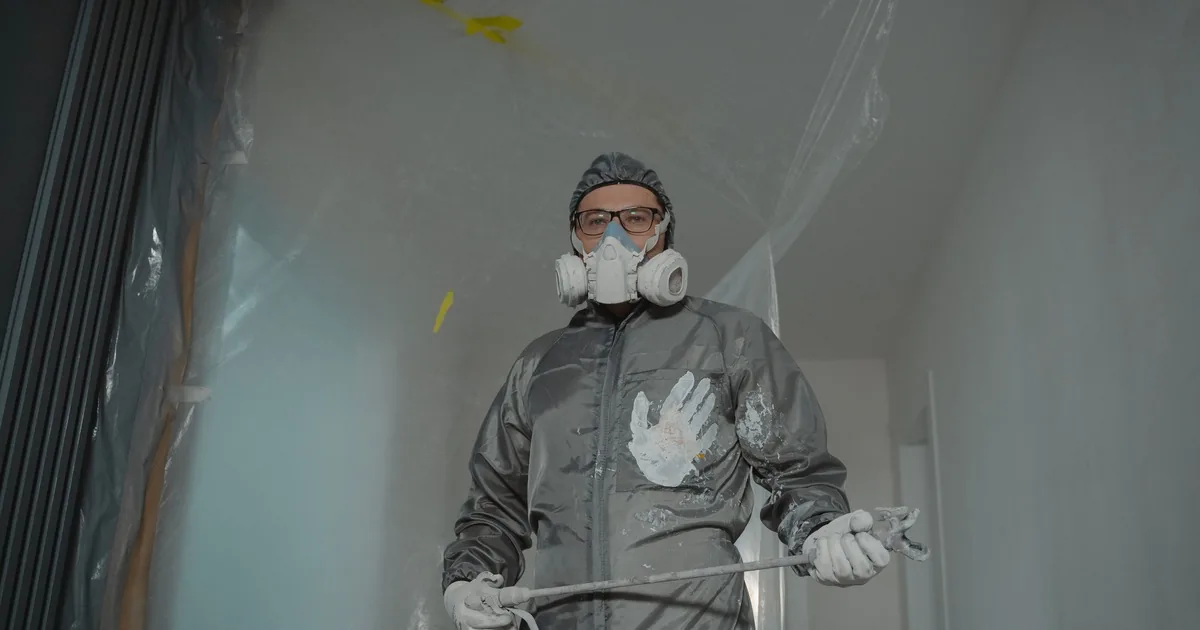
The EPA’s RRP work-practices page covers pre-renovation education, firm certification, worker training, containment, cleanup, verification, and recordkeeping. Ask whether the company’s required personnel and documentation are available for the requested date. If the office cannot confirm that internally, route the call to the designated compliance lead before scheduling.
If the caller reports active exposure concerns, visible dust inside occupied rooms, children contacting paint chips, or a request for medical advice, stay within scope. The office can pause the estimate and direct the caller to the proper public-health or medical resource. A pressure-washing company should not interpret symptoms or provide health guidance.
Hand the estimator one field-ready record
A complete intake should contain:
- Property: service address, construction year and source, building use, occupancy, owner or manager, and applicable program jurisdiction
- Work request: exact elevations and components, cleaning purpose, painter or contractor coordination, desired timing, and customer expectations
- Surface condition: reported material, coating condition, damaged locations, prior washing or scraping, wide photos, close photos, and existing ground debris
- Lead information: inspection or testing documents, who performed the work, date, surfaces covered, and report location, without an office interpretation
- Site controls: windows, doors, vents, occupied rooms, children and pets, emergency exits, property-line distance, neighboring structures, soil, pavement, gardens, and access
- Water path: slope, drains, catch basins, wells, downspouts, sump outlets, collection access, and places water could leave the work area
- Handoff: qualified reviewer, missing documents, unanswered questions, site-visit status, and any reason scheduling is paused
Read the site back by elevation. For example: the requested work is the east wall and porch trim of an owner-occupied house reported as built in 1926. The east wall has peeling paint beneath two windows and along the lower clapboards. The owner wants preparation for repainting and has not provided a lead report. The neighbor’s wall is about three feet away, a basement window sits below the damaged area, and children use the side yard. The grade falls toward the driveway and curb inlet.
That summary gives the estimator a place to start. An AI receptionist can capture the same fields after hours and flag the request for human review, but the company’s qualified personnel still own the decision. The useful outcome of the call is a documented property, a mapped work area, and a schedule that stays unpromised until the right person has seen both.