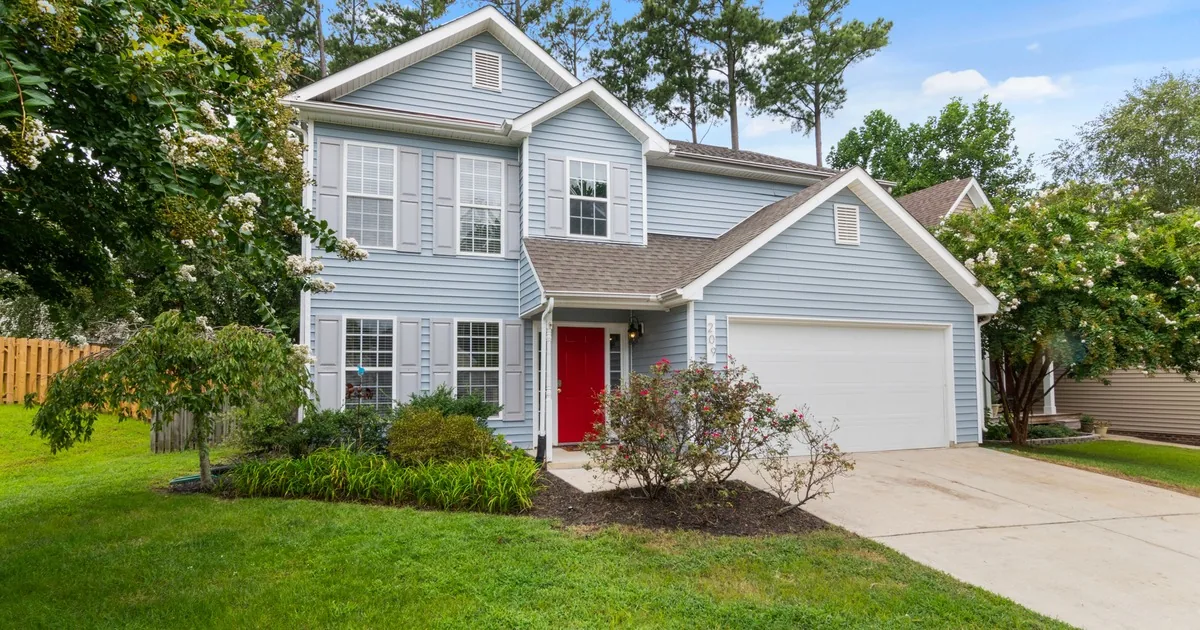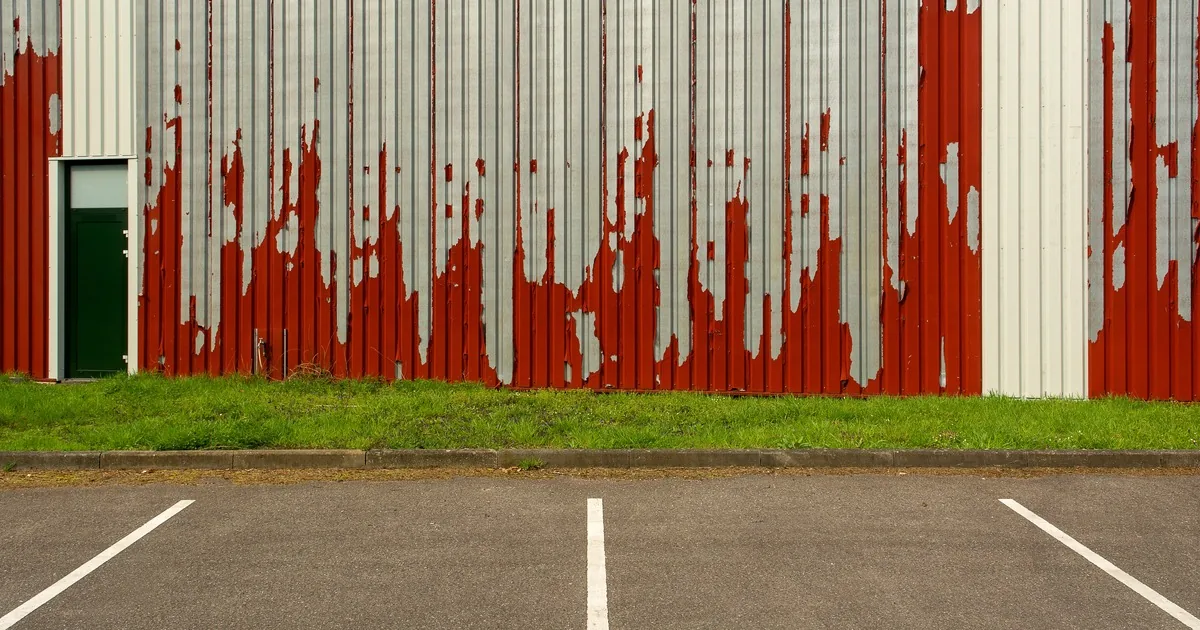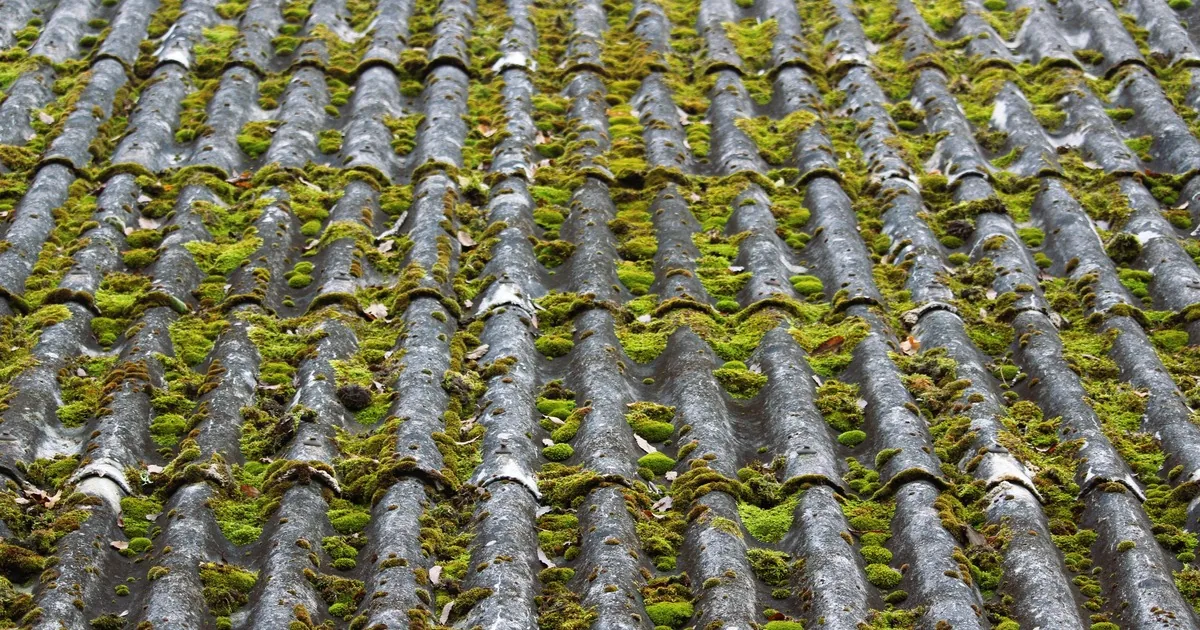
A homeowner sends one close photo of a green patch near the eave and asks, “How much to soft wash the roof?” The image shows the mark. It leaves out the slate covering, steep rear plane, skylight, porch roof below the work area, garden pond beside the downspout, and narrow gravel strip where a ladder would have to stand.
A useful roof soft-wash estimate call captures the roof covering, visible condition, pitch and height, roof geometry, penetrations, lower roofs, landscaping, runoff exposures, water source, and crew access. Reception organizes those facts. The contractor decides whether cleaning is appropriate and sets the access, fall-protection, product, application, and runoff plan.
Separate a cleaning request from a repair concern
Start with the caller’s reason for contacting the company. Dark streaks, a green patch, surface moss, leaves in a valley, and general discoloration sound like cleaning requests. Missing or lifted shingles, cracked tiles, a sagging area, exposed underlayment, an active leak, loose flashing, or a soft spot belong in a repair review before anyone discusses washing.
Ask whether water is entering the building now. If it is, record where the water appears, whether it is near electrical fixtures, and whether the roof has recent storm damage. Route the call under the company’s urgent roof protocol. The roof inspection versus repair guide helps separate routine inspection questions from visible failures that need a roofer.
Do the same when the caller reports a roof that feels soft, a broken section, or material sliding toward the gutter. A cleaning crew should not discover a questionable walking surface after setup. No phone answer can establish that a roof deck has enough strength for workers. Preserve the observation and flag it for field review.
Ask about previous roof work too. Record repairs, coatings, sealants, solar installation, chimney work, skylight replacement, and any prior cleaning. A patched valley or recently sealed penetration may change which areas the estimator needs to inspect. Get the contractor’s name and invoice only if the customer already has them. Do not send the homeowner onto the roof to find a label.
Identify the roof covering before discussing a method
“Shingle roof” is incomplete. Ask whether the covering is asphalt composition shingle, slate, concrete tile, clay tile, metal panel, metal shingle, wood shake, synthetic product, rolled roofing, or a membrane over a low-slope section. Many houses have more than one. A porch addition may use metal beneath an asphalt main roof, while a rear flat section uses membrane.
If the caller is unsure, request wide daylight photos of every elevation and closer views taken safely from the ground. An installation invoice, warranty packet, spare material, or product name can help. The estimator still confirms the covering and its condition.
This distinction controls what the office may promise. The Asphalt Roofing Manufacturers Association’s cleaning guidance says pressure washers should not be used on asphalt shingle roofs because they can cause granule loss and premature failure. Its separate algae discoloration bulletin says cleaning directions vary among shingle manufacturers and other methods should not be used without the manufacturer’s approval. It also warns against brushes and brooms on the roof surface.
GAF’s moss-removal guidance likewise warns that pressure washing can remove granules and lift shingles. Those sources address asphalt shingles. They do not approve one process for slate, tile, metal, wood, coatings, or membranes.
The office should therefore avoid promising that “soft wash” makes any roof cleanable. Capture the exact material when possible, the manufacturer if known, and any warranty or coating concern. Let approved product instructions and field conditions control.
Describe the roof condition without naming it
Use the caller’s words first. Ask about color, texture, pattern, and location. Is the area black, brown, green, white, orange, or mixed? Does it look streaked, fuzzy, leafy, crusted, spotted, powdery, or smooth? Is it concentrated under a tree, spread across one shaded plane, packed in a valley, or sitting along the edge of overlapping material?
ARMA notes that algae discoloration may look uniform or streaked, while moss and tree debris tend to be more localized. That is useful for documenting the pattern, but reception still should not diagnose a photograph. “Black streaks across the north plane” is a sound record. “Confirmed algae” is a conclusion.
Ask when the caller first noticed it and whether it changed after a wet season, roof repair, gutter overflow, or tree growth. Record overhanging branches, heavy shade, leaves, pine needles, bird activity, chimney deposits, irrigation spray, and discharge from an upper roof onto a lower one. These details guide inspection. They do not prove a cause.
Existing damage belongs beside the condition note. Capture curled or lifted edges, missing granules reported in gutters, cracked or slipped pieces, rust, peeling coating, open seams, loose ridge material, damaged gutters, and debris around skylights or vents. Ask whether anyone has already scraped, brushed, sprayed, or treated the area. If a product was used, request a label photo that is already accessible. The office should not improvise a chemical recipe or recommend mixing cleaners.
Map pitch, planes, and fall exposure
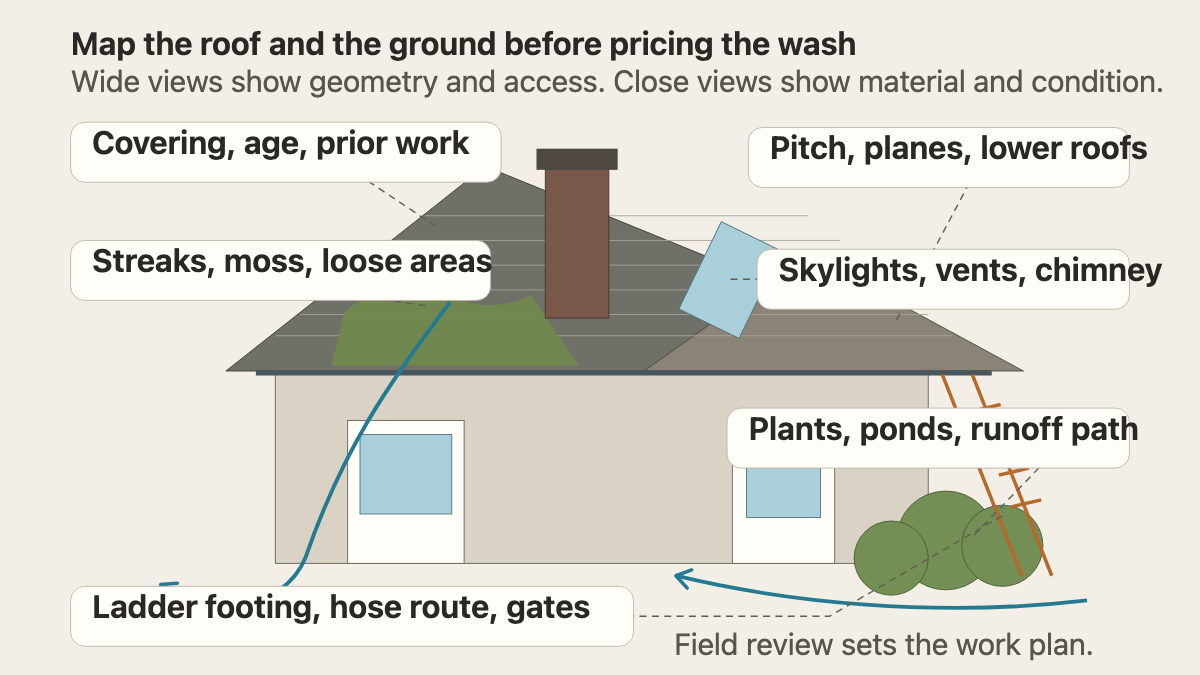
A front photo rarely shows the difficult side. Ask how many stories are exposed on each elevation and whether the lot slopes away from the house. A walkout basement can add a full level at the rear. Record dormers, valleys, hips, gables, turrets, parapets, lower porch roofs, attached garages, and sections above a deck or addition.
Ask the caller to describe pitch only in ordinary terms unless they know a measured value. “Low slope,” “comfortable attic roof,” and “very steep” are observations, not measurements. Photos from across the street and side yard help the estimator see roof planes. Never ask a customer to climb a ladder for a better angle.
OSHA’s fall-protection standard treats low-slope and steep roofs differently and addresses unprotected edges, holes, and work above lower levels. ARMA also warns that cleaning solution makes a roof slippery. Reception does not design a fall-protection system. It collects the geometry and access facts needed by the person who does.
Record skylights, roof windows, solar panels, chimneys, vents, satellite equipment, gutters, screens, and fragile-looking sections. Note any lower roof beneath the work area. A hose crossing a metal porch roof or a treatment path above a skylight deserves planning before the crew arrives.
Trace the ground approach, water, and runoff
Walk from legal truck parking to each roof edge. Ask about gates, gate width when measured, fences, steep grades, retaining walls, loose gravel, soft soil, basement stairs, narrow side yards, pools, decks, overhead wires, and neighboring structures close to the property line. Identify where a ladder or lift might approach without saying that the spot is approved.
Then map what sits below the roof. The important exposures include:
- New plantings, vegetable beds, fruit trees, dense shrubs, ponds, fountains, pools, pet areas, outdoor kitchens, painted furniture, vehicles, and neighboring property
- Open windows, doors, attic vents, air intakes, exterior outlets, cameras, lighting, solar equipment, and damaged gutters or downspouts
- Basement doors, window wells, patios, storm drains, swales, low areas, and surfaces where roof runoff already collects
- Tenant entrances, school pickup routes, shared driveways, delivery areas, and work-hour restrictions
ARMA calls for precautions to protect landscaping and surrounding areas. GAF also tells readers to protect plant life below roof work. The quote record should show what needs protection and where liquid may travel. Product labels, local requirements, weather, and the contractor’s procedures determine the actual controls.
Ask whether there is a working outdoor hose bib, where it sits, and whether the property uses municipal water, a private well, or a shared source. Record low flow, intermittent pressure, a shutoff issue, or a bib that is inaccessible. Do not guarantee that the customer’s supply is adequate. The contractor may need a flow check or another water plan.
Weather affects safe access and treatment. Note shade, freezing conditions, wind exposure, recent rain, and a deadline tied to a listing or event. State the company’s rescheduling policy plainly. Avoid promising that a particular date or one treatment will produce a finished appearance.
For a broader explanation of how geometry changes maintenance needs, the flat roof versus pitched roof guide covers drainage, penetrations, and inspection differences.
Read back a quote-ready handoff
A useful summary sounds like this: the customer wants an estimate for green growth on the rear and north roof planes. The main covering appears to be slate, while a low porch roof is metal. The rear is three levels above a walkout basement and includes a skylight. Moss-like patches are concentrated below an overhanging tree, and several slate pieces look uneven near the valley. Condition and cleaning suitability require field review. A pond and new shrubs sit below the rear eave. The only measured side gate is thirty-six inches wide, the ladder approach is gravel, and the hose bib is at the opposite front corner.
Confirm the name, service address, site contact, photo set, known roof material, visible condition, previous work, planes involved, story exposure, penetrations, ground approach, water source, landscaping, drainage, pets, gates, parking, and appointment window. Mark every unknown.
An AI receptionist can collect the same fields after hours and attach photos to the estimate request. Its job is accurate intake. It should never identify the growth, certify the roof, select a cleaner, approve roof access, or promise removal.
The estimator should receive two views of the same job: what is on the roof, and what surrounds it. That is enough to arrive prepared without turning a phone call into a remote roof inspection.