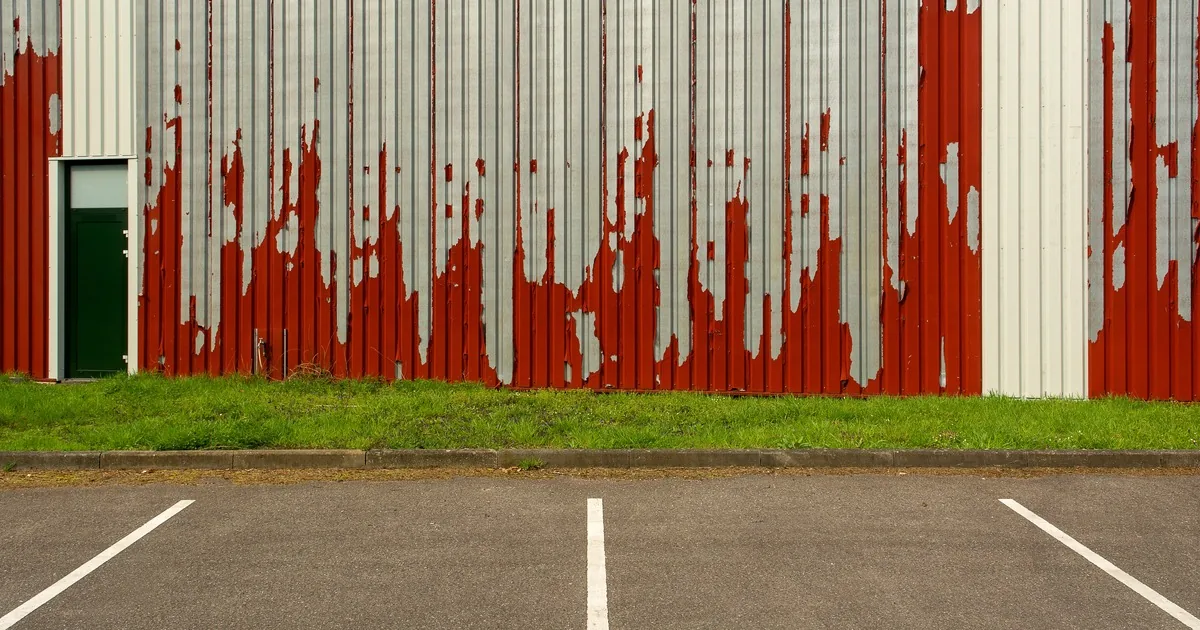
A property manager calls about repainting a faded metal warehouse. The front looks sound in the photos, one side leaves colored powder on a hand, rust marks ring several fasteners, and peeling coating runs along the wall behind a row of parked trailers. The caller wants a square-foot price by Friday.
That is enough information to book a site survey, but not enough to price the work. A useful metal building repaint call captures the surfaces in scope, condition by elevation, previous coating history, corrosion, repairs, height, lift route, occupied openings, and operating schedule. The estimator can then verify the substrate and choose preparation and coating steps for the actual building.
Make the first call a site-survey intake
Start by defining what the caller means by “metal building.” The request may cover wall panels, a roof, structural steel, doors, trim, gutters, canopies, tanks, or a detached outbuilding. These surfaces do not automatically share one coating system or access method.
Ask for the property address, building use, approximate age, and areas the customer wants painted. Separate walls from the roof immediately. If the roof is included, flag it as its own survey area with separate access and safety planning. Record whether the project is a cosmetic color change, a response to coating failure, corrosion control, brand update, or preparation for a sale or lease.
Then ask what the caller knows about the panels. Are they steel, galvanized steel, aluminum, or an unknown factory-finished panel? Has the building been repainted before? Does the customer have product records, a previous proposal, maintenance notes, or leftover labeled material? “Gray ribbed metal” is a visual description, not a substrate identification.
The American Galvanizers Association’s surface-preparation guidance explains why that distinction matters. Newly galvanized, partially weathered, and fully weathered zinc surfaces have different cleaning and profiling concerns. A caller usually cannot establish those conditions over the phone. The office should preserve the question for field verification.
Walk the caller around every elevation
One sunny wall may be faded and chalky while a shaded wall carries biological growth. The loading side may have dents, scraped panels, diesel residue, and patched penetrations. A sheltered rear elevation could look nearly new. Ask the caller to describe each side separately, using a fixed name such as front, loading-dock side, rear, and parking-lot side.
For each elevation, capture:
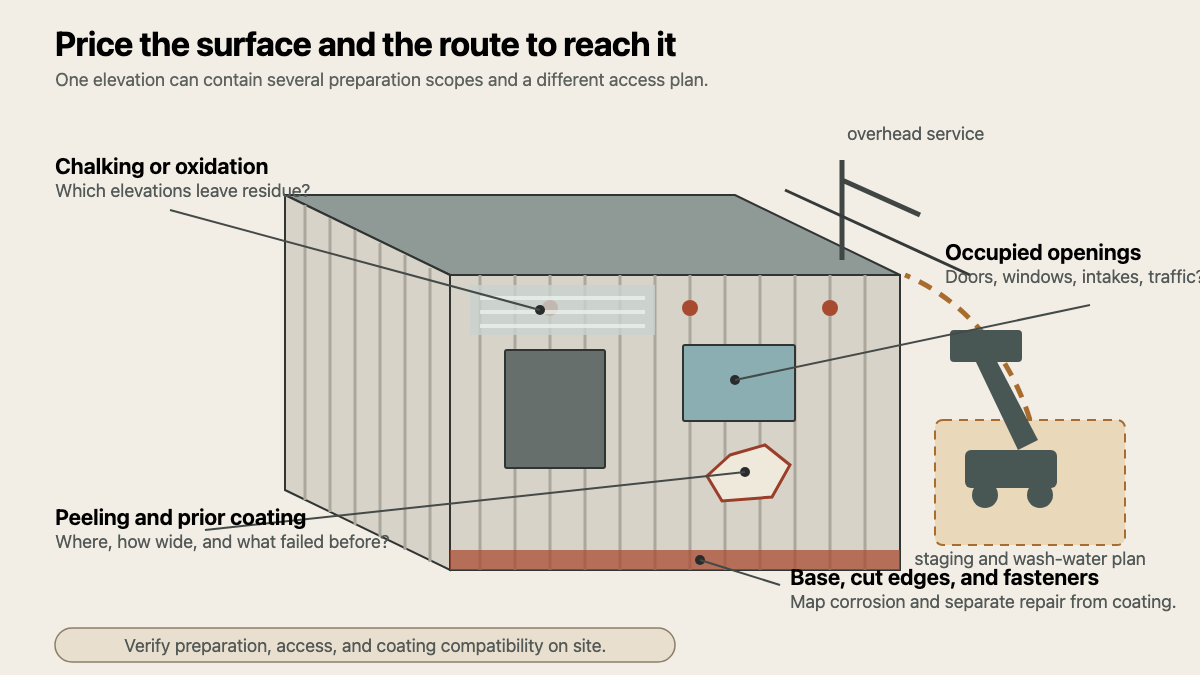
- Fading, powdery residue, oxidation, peeling, blistering, bare spots, or unknown stains
- Rust at panel bases, cut edges, seams, scratches, fastener heads, doors, and trim
- Dents, holes, loose panels, open joints, failed sealant, or visible rust-through
- Dirt, grease, exhaust residue, bird deposits, mildew, fertilizer, or process contamination
- Panel ribs, transitions, signs, lights, pipes, vents, louvers, and equipment mounted to the wall
- Approximate height, nearby rooflines, sloped grade, landscaping, fences, parked equipment, and overhead service
- Doors, windows, air intakes, loading bays, pedestrian routes, and operations that must remain active
Ask for one wide photograph of every elevation, then close views that show where each condition sits on the wall. Include a familiar object for scale when practical, but never ask the caller to climb, enter a restricted area, or approach electrical equipment. Label all dimensions and heights as caller-supplied until the estimator measures them.
Sherwin-Williams’ light-industrial surface-preparation guide says preparation selection depends on the substrate, environment, selected coating, expected service, and surface contamination. That is the reason a call intake should map conditions instead of reducing the building to wall area.
Separate coating work from metal repair
Rust is a location and severity question before it is a paint question. A few corroded fastener heads present a different scope from rust-through at the panel base. Peeling around a scratch is different from broad coating loss across an elevation. The office can document those patterns without promising that surface preparation will restore damaged metal.
Ask whether the customer sees holes, soft or missing edges, loose sheets, failed fasteners, leaking penetrations, or panels pulling away from the structure. Ask whether another contractor has inspected the metal. If repair or replacement may be needed, route that question to the estimator and identify who will own sheet-metal, fastener, sealant, or structural work.
This boundary belongs in the appointment notes: “Painting scope requested. Panel integrity, fastener replacement, sealant repair, and rust-through require field review.” It protects the estimator from inheriting an unstated repair promise.
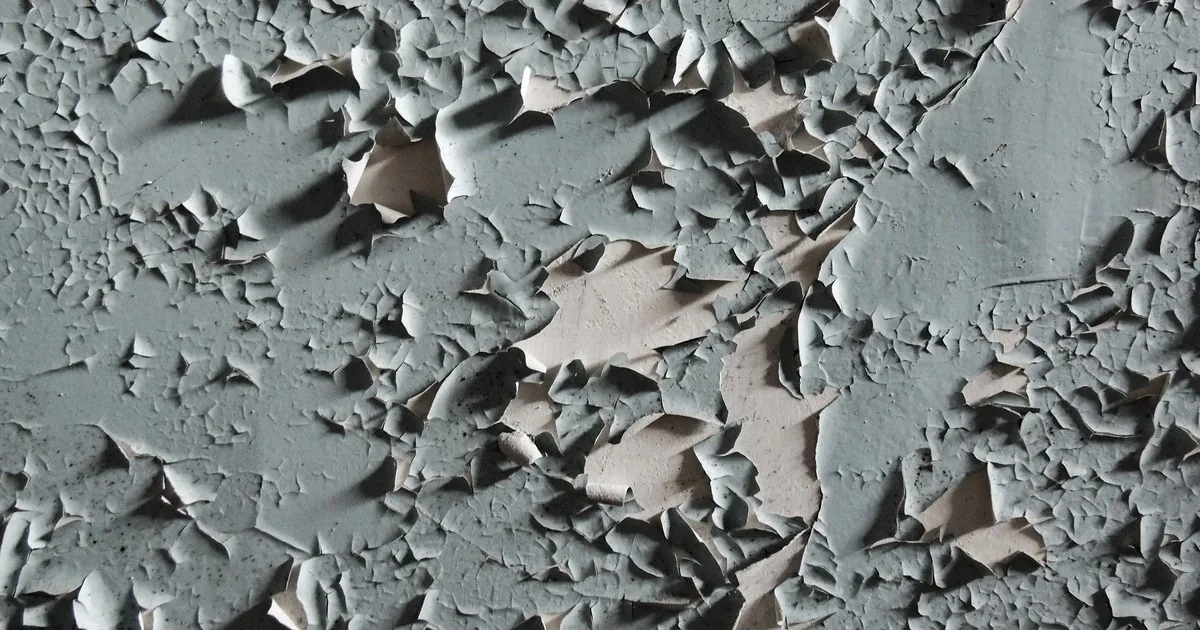
Existing coating failure deserves similar care. Record where the paint releases, what is visible beneath it, and whether the failure followed a prior repaint. Do not tell the caller to pressure-wash, scrape, sand, or grind before the visit. Premature cleaning may hide the pattern, spread debris, damage a soft metallic coating, or create a regulatory and containment issue. Capture the failure history without diagnosing the cause.
For older residential outbuildings or child-occupied facilities, property age and use also matter. EPA’s Renovation, Repair and Painting Program covers work that disturbs paint in certain pre-1978 homes and child-occupied facilities. Applicability depends on the property, scope, exemptions, and any stricter local rules. Route a possible match through the contractor’s lead-safe process.
Price access as part of the scope
A long, flat wall beside an empty paved lot is not the same job as a shorter wall behind tanks, soft ground, active loading bays, or overhead lines. The intake should establish whether the estimator can inspect the surface and whether a future crew has a plausible work zone.
Ask about the highest wall and gable areas, ground conditions, gates, curbs, slopes, trenches, canopies, awnings, roof overhangs, and narrow passages. Record the width and height of any gate only when the caller has measured it. Find out where access equipment could be delivered, parked, charged or fueled, and removed. Ask who controls parked vehicles, trailers, dumpsters, inventory, and tenant traffic.
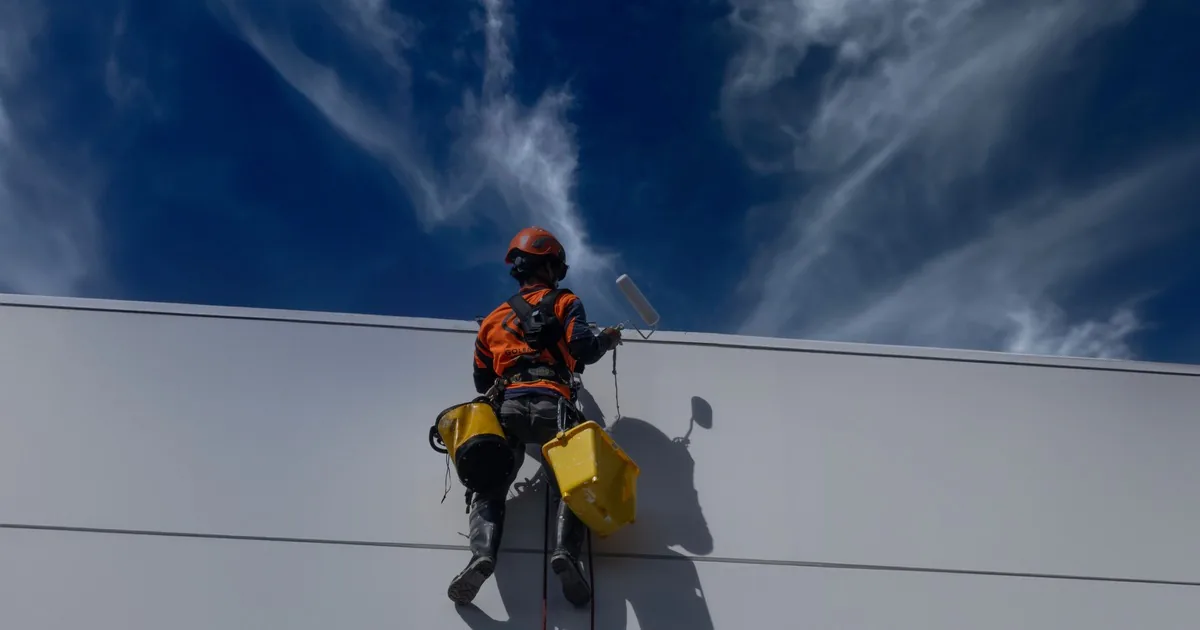
OSHA’s aerial-lift guidance directs employers to inspect work areas for unstable surfaces, slopes, overhead electric lines, obstructions, severe weather, and people nearby. It also limits operation to trained or authorized workers and calls for equipment inspections and safe positioning. The office does not select a lift or approve a setup from a caller’s description. It flags the conditions that the responsible field team must evaluate.
Overspray and wash water add another layer. Ask what sits downwind, where runoff could travel, whether vehicles can be moved, and which doors or air intakes must stay open. Food handling, healthcare, animal care, manufacturing, and occupied retail spaces may have operating constraints that affect products, containment, work hours, and communication. Capture the use. Let the estimator set the plan.
Put operations and schedule in plain language
“Any time after five” may still conflict with a night shift, delivery window, security lockup, irrigation cycle, or neighbors. Ask which areas can close, who can authorize shutdowns, and what must remain usable each day. Get the dates that matter and the reason behind them.
For a working building, record loading hours, customer traffic, employee entrances, alarms, cameras, gate access, pets or livestock, tenant notices, and any permit or property-management process the customer already knows about. If the project will be phased, name the elevations or zones in the order the customer prefers. Record plans, decision makers, site contacts, and deadlines in the same handoff.
Avoid promising a start date or duration until the survey establishes preparation, repair interfaces, access, weather limits, product requirements, and operating restrictions. A clean intake makes scheduling easier because it exposes those variables early.
Send the estimator a building packet
Before ending the call, read back the request by surface and elevation. Include the customer's goal, known metal or panel records, prior repaint history, visible coating failure, rust locations, suspected repairs, approximate heights, access route, active openings, nearby property, operating hours, decision maker, and deadline.
Attach photos in the same order. A simple file set such as “front-wide,” “front-fasteners,” “loading-side-peeling,” and “rear-base-rust” is more useful than a phone gallery with no locations. Mark what the caller reported, what photographs show, and what remains unverified.
The final handoff might say: “Caller requests wall-panel and trim repaint; roof excluded. Powdery residue appears on the south wall, peeling is visible behind the loading area, and rust is reported at the rear panel base and several fasteners. Panel type, existing coating, repair scope, preparation, product compatibility, lift route, and wash-water controls require site review.”
An AI receptionist can collect the same fields after hours and request the elevation photo set. Keep substrate identification, repair decisions, access approval, and coating selection with the qualified estimator.
The estimator should arrive knowing where the coating failed, where the metal may need repair, which wall is hardest to reach, and which doorway cannot close. That is a quote call worth taking.