A homeowner calls and says, “We want the red brick painted white, or maybe limewashed. Can someone give us a price?” The front of the house is brick, the chimney has white staining near the roofline, and a porch column was coated by a previous owner. The caller sees one color project. The estimator hears three different surfaces and at least one condition that needs inspection.
A useful first call captures the exact brick areas, desired opacity, current coatings, visible damage, moisture clues, building age, access, and who will approve a sample. It does not pick limewash, mineral paint, masonry stain, or acrylic paint by phone. That choice depends on the wall and the finish the customer actually expects.
Start with the appearance, not the product name
Callers use “limewash,” “whitewash,” and “paint” loosely. Ask them to describe the finished wall before correcting the terminology. Do they want a solid, even color that hides most brick variation? Should some red brick show through? Do they like a cloudy matte surface that changes across the facade? Are they trying to blend a repaired section with older brick?
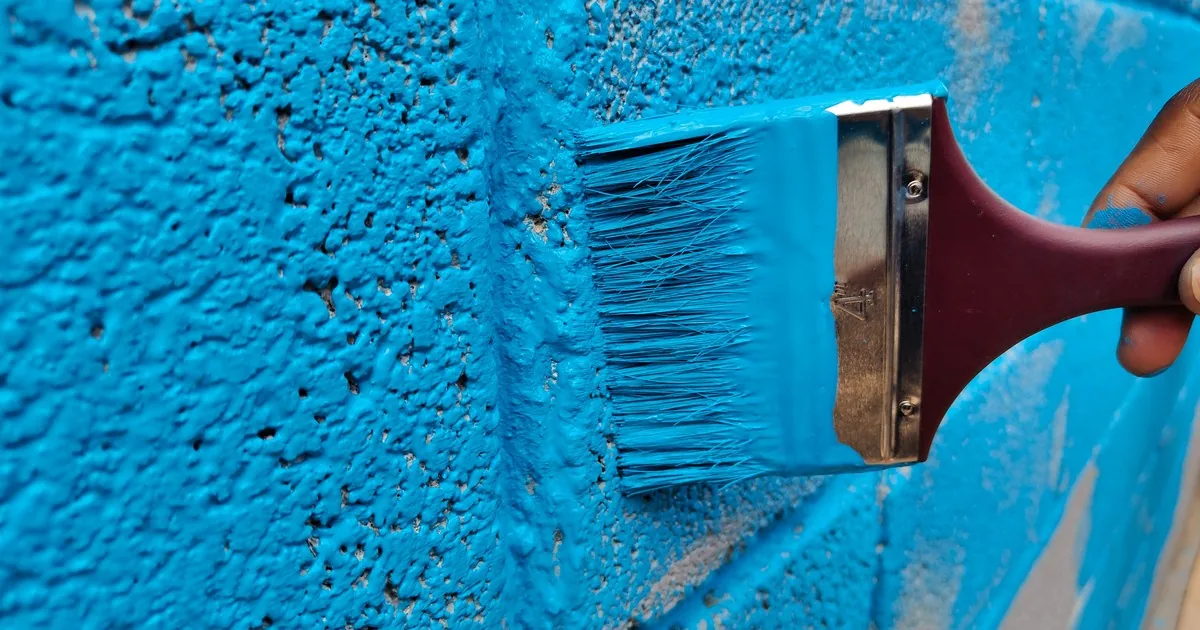
The Brick Industry Association’s Technical Note 6 separates several treatments that can look similar in a small social-media photo. Limewash is mineral based and creates a matte, naturally nonuniform finish whose opacity can vary. Acrylic latex paint forms an opaque film and softens the visual texture of the brickwork. Mineral paint, masonry stain, mortar wash, and diluted semi-opaque paint create other effects.
That distinction belongs in the consultation, but reception should avoid turning it into a remote specification. Record the caller’s visual target in ordinary words. Ask for inspiration photos if the company accepts them, then label those images as appearance references. A photo of another house says what the customer likes. It does not prove that the same treatment suits their brick.
Define the boundaries too. “The exterior brick” might include the front elevation but exclude the sides, chimney, porch floor, steps, retaining wall, fireplace, or detached garage. BIA cautions that pavers, floors, glazed brick, and functioning fireboxes have different limitations. Each surface needs its own line on the call record.
Map the wall before naming a treatment
Start with location and exposure. Is the brick inside or outside? Is it a full facade, veneer, chimney, foundation wall, garden wall, or interior fireplace surround? Which sides receive the most weather? Ask whether the customer knows the brick manufacturer or has construction documents, repair invoices, or product records from earlier work.
Then collect what can be seen without diagnosing it. Look for loose or missing mortar, cracked brick, flaking faces, dark damp areas, white powdery deposits, biological growth, open joints, failed sealant, blocked weep openings, and staining below gutters or roof intersections. Ask whether water has appeared inside after rain and whether roof, flashing, gutter, or drainage repairs are pending.
BIA recommends evaluating and repairing issues with brick, mortar, weeps, flashing, and sealant joints before treatment. It also calls for identifying water penetration and excess moisture conditions. The National Park Service’s brick masonry guidance adds a sharper caution for deteriorated historic brick: a non-permeable coating can trap moisture and accelerate decay.
Reception can record a white deposit near a downspout. It cannot decide whether the mark is efflorescence, residue from an old treatment, or another stain. The ticket should say where it appears, when the caller notices it, whether the area feels damp, and what water-source repairs have been completed.
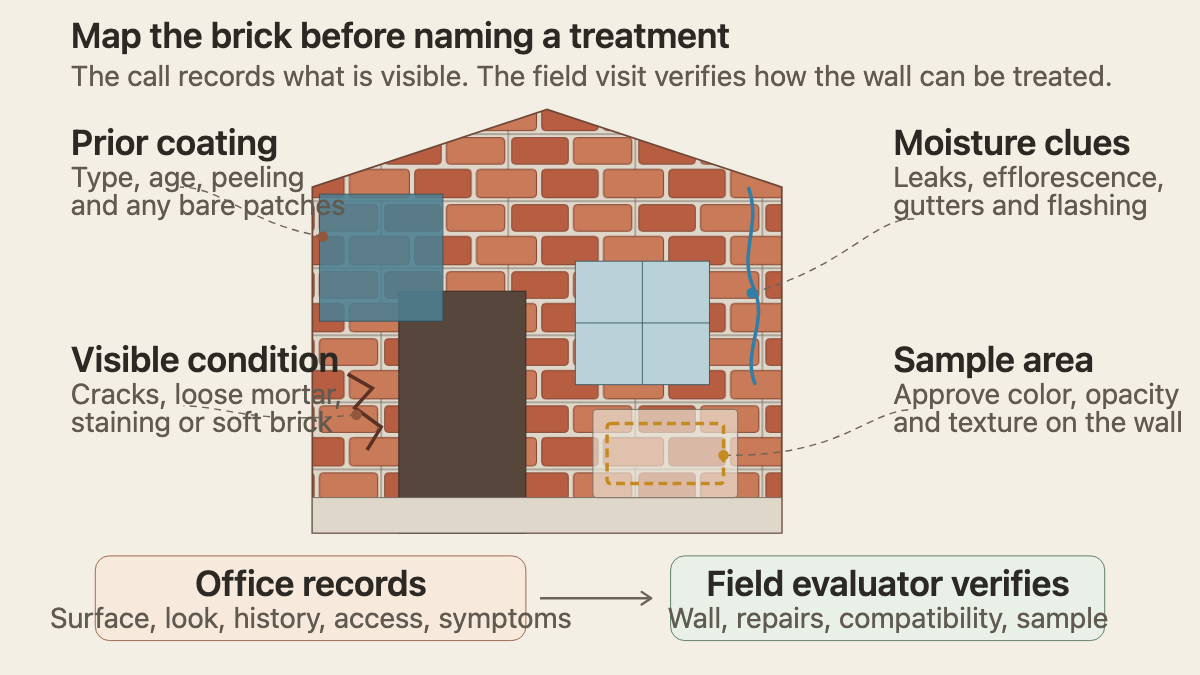
The same discipline applies to damage. “A few cracks” is too vague. Ask whether the crack runs through brick, follows a mortar joint, sits above a window, or appears where an addition meets the house. Request one wide photo for location and one close photo for surface detail. The estimator decides whether masonry repair or another professional review must come first.
Record every prior treatment
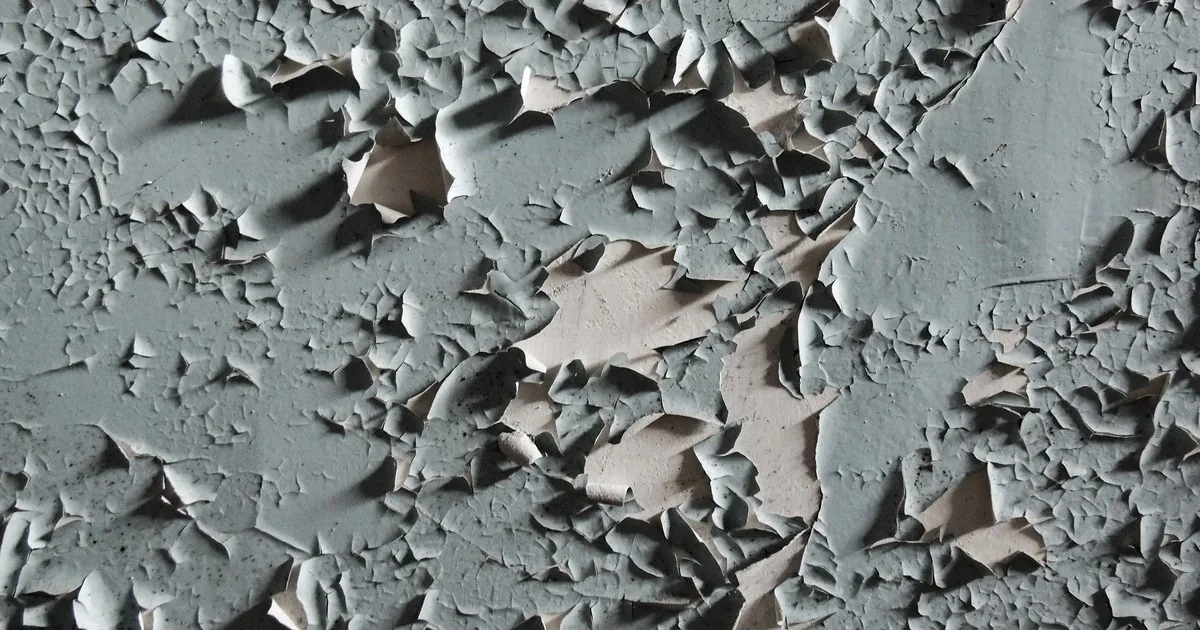
Fresh red brick, previously limewashed brick, and brick under several coats of unknown paint present different starting points. Ask whether any area is painted, stained, sealed, limewashed, German-smeared, or coated with an unknown clear product. Record peeling, chalking, glossy patches, exposed brick, color differences, and previous cleaning attempts.
Do not promise that an old coating can be stripped cleanly. The National Park Service advises testing masonry cleaning methods and starting with the gentlest effective approach on historic materials. Harsh or poorly matched cleaning can damage the face of the brick, mortar, adjacent glass, or metal. The estimator may need product identification, test cleaning, or a specialist before the finish proposal is complete.
Useful intake questions belong in one short sequence:
- Which walls and brick surfaces are included, and which are excluded?
- Does the customer want opaque color, visible variation, or a weathered matte look?
- Has any paint, stain, sealer, limewash, mortar wash, or unknown treatment been applied?
- Are there cracks, loose mortar, flaking brick, white deposits, damp spots, stains, or interior leaks?
- Have gutters, flashing, roof edges, sprinklers, grading, or drainage caused trouble nearby?
- Is the property historic, locally designated, or subject to an association approval?
- Who will approve the sample area, and must another owner or board attend?
These questions prepare the evaluator. They do not tell a technician which cleaner, primer, treatment, dilution, or application method to use.
Explain the sample before the appointment
A sample is where a vague preference becomes a visible finish decision. BIA recommends mock-ups or sample panels to approve appearance. The sample should represent the actual range of brick and mortar colors on the wall, especially when the facade contains blended brick, repairs, or several absorption patterns.
Ask who has authority to approve the result. A spouse, property manager, association board, designer, or building owner may need to see it. Record whether the company samples directly on an inconspicuous part of the building, uses a separate panel, or follows another approved process. Reception should describe the company’s established policy, including any fee, scheduling requirement, or weather dependency, without improvising a guarantee.
The approval record needs more than a color name. Note the chosen area, product system if one has been selected, opacity, texture, number of approved applications, viewing conditions, and approver. Photographs help preserve the decision, though lighting and screens can shift color. The wall itself remains the reference.
Route historic and pre-1978 work carefully
Old brick deserves an age question for two separate reasons. First, historic masonry may use different brick, mortar, wall construction, and earlier mineral coatings. BIA notes that some historical structures used limewash as part of the moisture-control system and recommends help from a consultant experienced in historical masonry. A preservation review may also be required by a local district or project agreement.
Second, preparation can disturb an existing painted surface. The EPA’s Renovation, Repair and Painting contractor guidance covers firms doing certain paid renovation work that disturbs painted surfaces in pre-1978 homes and child-occupied facilities. Applicability depends on the property and work. State-authorized programs may have their own requirements.
Ask the construction year, occupancy type, whether the brick or nearby trim is already painted, and whether the caller has testing or renovation records. Route the answers under company policy. Reception should not declare a project exempt or prescribe a test. The pre-1978 painting intake guide covers that handoff in more detail.
Build a consultation ticket the estimator can use
Access can change the inspection before anyone discusses coating. Record the number of stories, steep grades, narrow side yards, roof access near chimneys, locked gates, pets, landscaping, overhead lines, shared property boundaries, parking, and occupied work areas. Note whether the appointment covers exterior brick, interior masonry, or each. The broader interior and exterior painting intake guide helps keep those scopes separate.
A clean readback might say:
“Consultation for the front brick elevation, two porch columns, and chimney at 26 Oak Hollow Road. The side and rear elevations are excluded. The owner wants a light matte finish with some brick variation visible and has supplied two appearance references. Reception made no treatment recommendation.
“The front elevation appears uncoated. One porch column has an unknown white coating that is peeling near the base. The owner reports white staining below the chimney cap after heavy rain and a repaired gutter leak near the left corner. Photos are attached by location. The home was built in 1968, and no coating or testing records are available.
“The owner will attend and can approve a sample. The association also requires a color submission. Access includes a sloped side yard and a locked rear gate. The evaluator should inspect the prior coating, moisture signs, mortar, brick faces, wall setting, and sample location before proposing a system.”
That record gives the field evaluator a map without pretending the wall has already been solved. For general appointment ownership and confirmation details, use the painting estimate scheduling guide. An AI receptionist can collect the same approved fields after hours, while the coating decision stays where it belongs: in front of the brick.