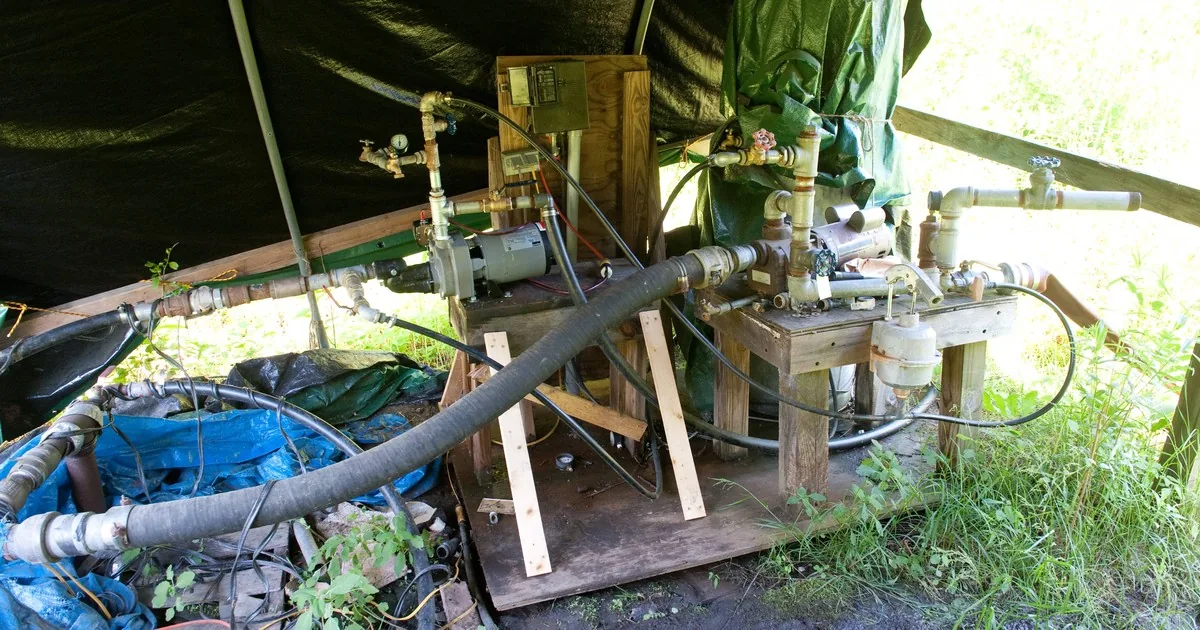
When a well pump quits, the house goes dry. No shower, no flushing, no water for the coffee maker or the livestock trough. For a family on a private well, this is not a leaky faucet they can put off until Tuesday. It is a same-day emergency, and the clock started the moment they turned the tap and nothing came out.
The trouble is that the crews who fix these problems are usually two or three people covering a lot of ground. When the phone rings, there is a good chance the whole team is thirty feet into a wellhead in the next county with their hands full of drop pipe. Nobody picks up. The homeowner leaves a voicemail, waits ten minutes, then calls the next contractor on the list. That is how rural home-service businesses lose work across the whole industry: not through bad craftsmanship, but through a phone that rang while everyone was busy earning the last job.
Good triage fixes part of this. If every no-water call gets answered, sorted, and logged with the right details the first time, the crew rolls with the correct parts and the homeowner stops shopping. Here is how that triage works, and what a receptionist, human or AI, needs to pull out of the caller.
Why a no-water call cannot sit in voicemail
Most service calls tolerate a little delay. A slow drain or a noisy pressure tank can wait a day. A dry house cannot. People start improvising fast, hauling jugs from a neighbor, buying cases of bottled water, and in the worst cases packing up for a motel. Every hour that passes makes the homeowner more anxious and more likely to hire whoever answers.
A missed no-water call is also hard to win back later. By the time the crew climbs out of the last job and returns the voicemail, the caller has often already booked someone else. The call was the whole opportunity, and it expired before anyone heard it.
So the first job of triage is simply answering. The second job is figuring out, over the phone, what actually broke.
Sorting a pump failure from the cheaper problems
"No water" describes a symptom, not a cause. Several different failures produce it, and they need different parts and different labor. A quick phone screen can point the crew in the right direction before the truck leaves the yard.
Here is what the receptionist is listening for.
- A tripped breaker. The simplest cause. If the pump's circuit breaker is off or tripped, the pump has no power. Ask whether they have reset it. A breaker that resets and holds may mean the emergency is already over. A breaker that trips again the instant it is reset points to a shorted pump or wiring fault, which is a real service call.
- A pressure switch. The switch tells the pump when to turn on. If it fails or its contacts burn, the pump never kicks on even though the pump itself is fine. Callers sometimes notice no clicking at the switch when they open a tap.
- A waterlogged pressure tank. The tank holds pressurized water so the pump does not run constantly. When its air bladder fails, the tank floods and the pump short-cycles, snapping on and off every few seconds. The homeowner usually reports rapid clicking and weak, sputtering pressure rather than a fully dry house.
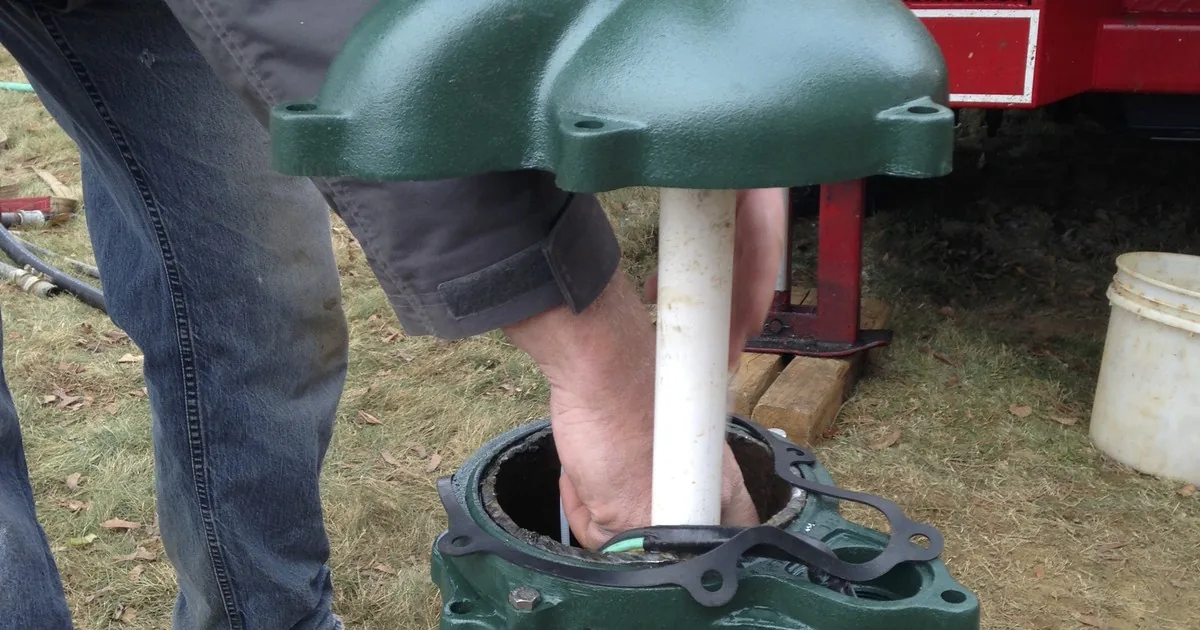
- The pump. A submersible that has burned out, a jet pump that lost its prime, or a well that has drawn down all land here. This is the expensive end, and it is where you want the right pump, wire, and pipe already on the truck.
None of these can be diagnosed with certainty over the phone, and the receptionist should not pretend otherwise. The point is to gather enough that a technician can make a smart guess about parts and prep before driving an hour into the hills.
How well details decide what the truck carries
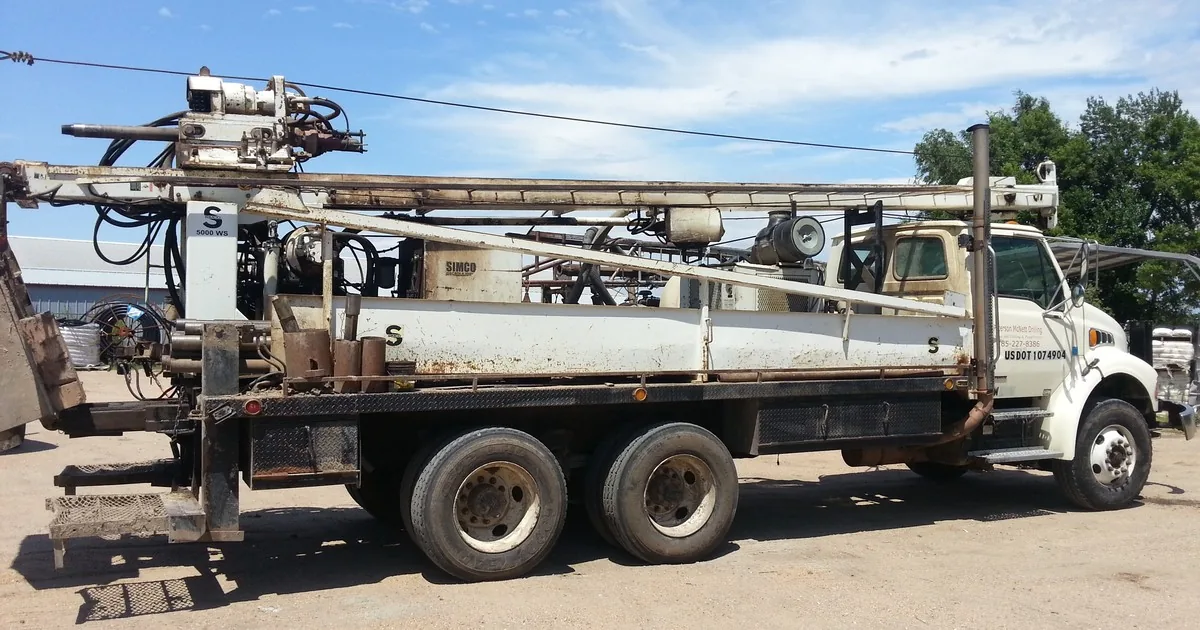
This is where intake earns its keep, and where a well contractor pulls away from a general handyman. A submersible pump sitting at the bottom of a 300-foot well is a completely different job than a shallow jet pump on a 25-foot point well. Different pump, different wire length, different pull, sometimes a different truck.
If the receptionist captures pump type, rough well depth, and pump age on the first call, dispatch can load the likely replacement and the fittings that go with it. A pump that is eighteen years old and finally quit is probably a replacement, not a repair. A two-year-old pump that stopped is more likely a control or wiring issue. Knowing this before the wheels turn keeps the crew from driving back for a part, and on a rural route a return trip can eat most of an afternoon.
Drive time and service radius change the whole calculus
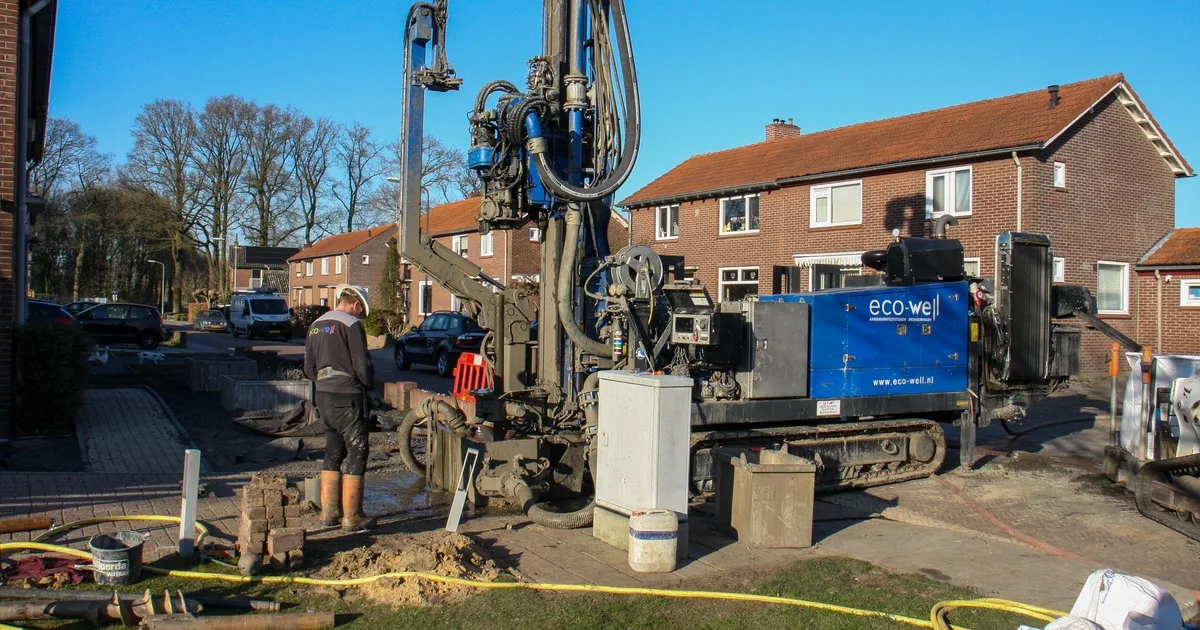
Rural dispatch lives and dies on the map. A no-water call thirty minutes out gets handled differently than one ninety minutes out on gravel. Location decides which crew goes, whether the job even makes sense today, and what else can be batched on the same run.
That means the address is not a formality collected at the end. It is a routing decision the receptionist should capture early and precisely, including the parts that do not show up on a map: a long unmarked driveway, a locked gate, a dog in the yard, a well house set back behind the barn. A technician who reaches the road only to find a gate code nobody mentioned has just burned drive time for nothing. For a small crew stretched across a wide territory, that lost time is the difference between reaching the next caller today and pushing them to tomorrow.
Qualifying questions your receptionist should capture
Whether a person or an AI receptionist answers the phone, the same facts need to land in the notes before the call ends. Capture these, in plain language, and the crew rolls prepared.
- Pump type: submersible or jet pump, if the customer knows.
- Well depth and pump age: approximate depth of the well and how old the pump is, even a rough guess.
- Pressure gauge reading: does the gauge read zero, or is there still some pressure showing?
- Breaker status: has the breaker been reset, and did it trip again right away?
- Pressure tank condition: any sign the tank is waterlogged, such as very short, rapid cycling.
- Pump sounds: can the customer hear the pump running, cycling fast, or clicking?
- Extent of the outage: is the house fully dry, or is there intermittent or weak pressure?
- Property address with access notes: full address plus driveway length, gate codes, and anything that affects reaching the wellhead.
- Callback number: a direct number in case the call drops or the crew needs to confirm details on the way.
Get those on the first call and the dry-house emergency becomes a job the crew can actually plan. Miss the call, and it becomes the next contractor's job instead.