A caller says, “I need my well water tested,” and asks for the first available appointment. Booking that request as a generic water test creates trouble in the field. The technician may arrive without the laboratory’s bottle, find no suitable collection point, or learn that the sample must reach a different lab than the customer expected.
A clean intake establishes eight facts before travel: why the sample is needed, which analysis was requested, which laboratory accepts it, which kit and form apply, where water can be collected, who will collect it, how it will reach the lab, and who receives the result. The laboratory’s written directions control the collection details. Reception coordinates the people, property, and handoffs.
Define the decision the sample must support
Begin with the caller’s reason. Routine annual monitoring differs from a changed odor, a flooded well, a recent repair, a local advisory, a home sale, or a test requested by a health department. Do not translate “test everything” into a panel on the caller’s behalf. Ask who requested the sample and whether that person named contaminants, a method, a laboratory, or a deadline.
The CDC’s private-well testing guidance recommends annual testing for total coliform bacteria, nitrates, total dissolved solids, and pH. It also tells owners to ask local health or environmental officials about other concerns tied to the area. EPA adds conditions that can trigger testing, including flooding, land disturbance, a repaired well system, and changes in odor, color, or taste.
Those are reasons to contact the right authority and lab. They are not permission for the office to choose a health-testing plan. Record the request as stated: “Annual baseline requested by owner,” “county letter asks for nitrate,” or “odor changed after flooding; caller has not yet contacted the health department.”
A property transaction needs its own questions about buyer, seller, lender, inspector, and closing date. Use the home-purchase well testing call guide for that workflow.
Confirm the laboratory before the appointment
Ask for the laboratory name, phone number, order number, and the exact analysis if the caller already arranged it. If no lab has been selected, point the caller to the state or local health department’s certified-laboratory list. CDC and EPA both direct private-well owners to certified drinking-water laboratories. A nearby general laboratory may not be certified for the requested analysis.
Then confirm the laboratory’s instructions. The office needs the answer to each of these questions:
- Does the lab supply the bottle, preservative, seal, cooler, or submission form?
- Who may collect the sample, and does the purpose require a particular collector?
- Which outlet is acceptable, and what preparation does the lab require there?
- What date and time can the lab receive it, and who is responsible for delivery?
- Which identifiers, collection details, and signatures belong on the bottle and form?
- Where will the report go, and who may discuss it with the customer?
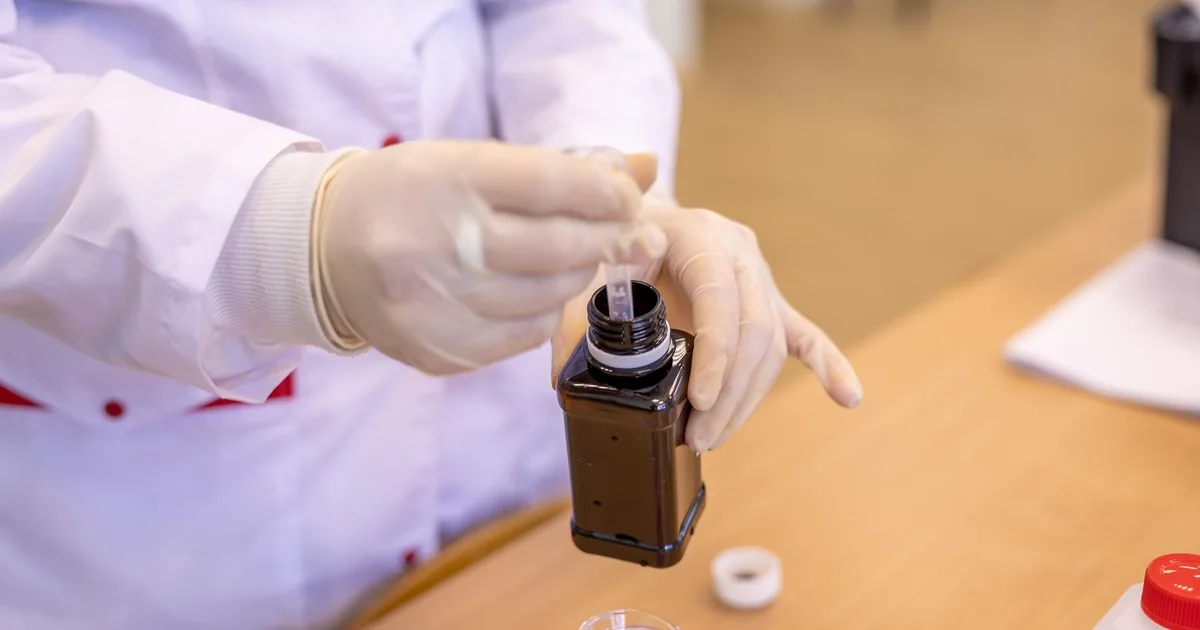
Texas guidance for microbial sampling tells private-well owners to obtain a lab-provided sterile container and form. That is a useful intake rule far beyond Texas: never assume an office bottle, mason jar, or unused food container can stand in for the specified kit. Do not open the laboratory container during scheduling or use it for a practice draw.
Map the water path before choosing an outlet
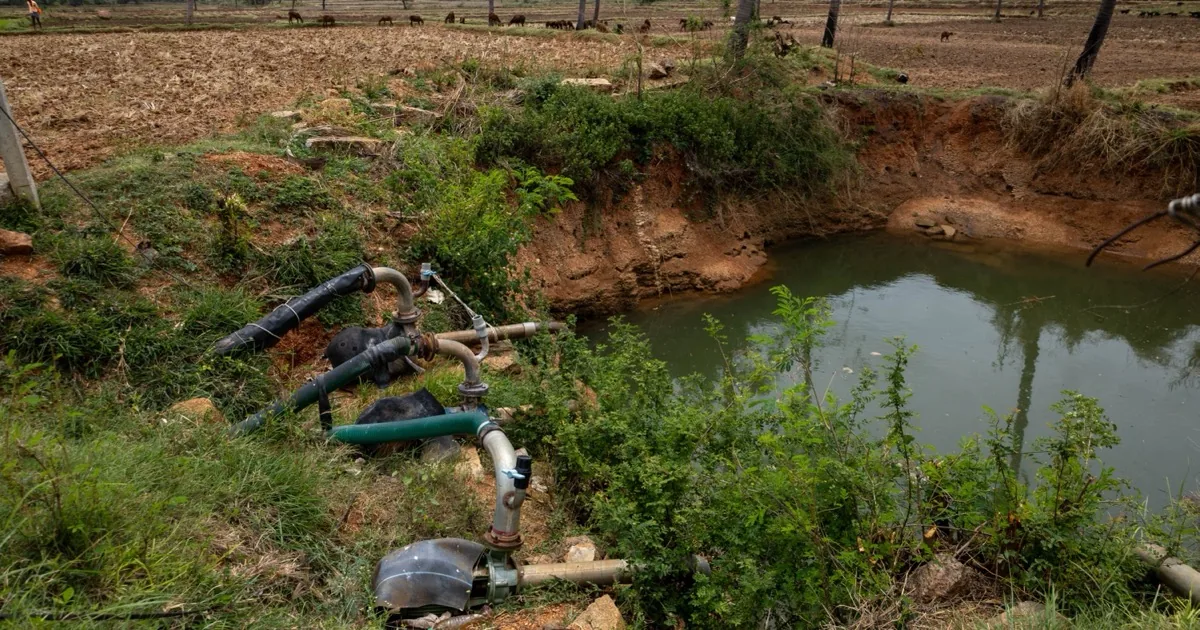
“Kitchen sink” sounds precise until the technician finds a softener, carbon filter, reverse-osmosis faucet, swivel aerator, leaking spray head, or a tenant who cannot grant access. Ask the caller to describe the wellhead, pressure equipment, treatment equipment, and available taps. Photos of visible equipment and outlets can prevent a wasted trip, but the laboratory still decides what collection point and preparation are acceptable.
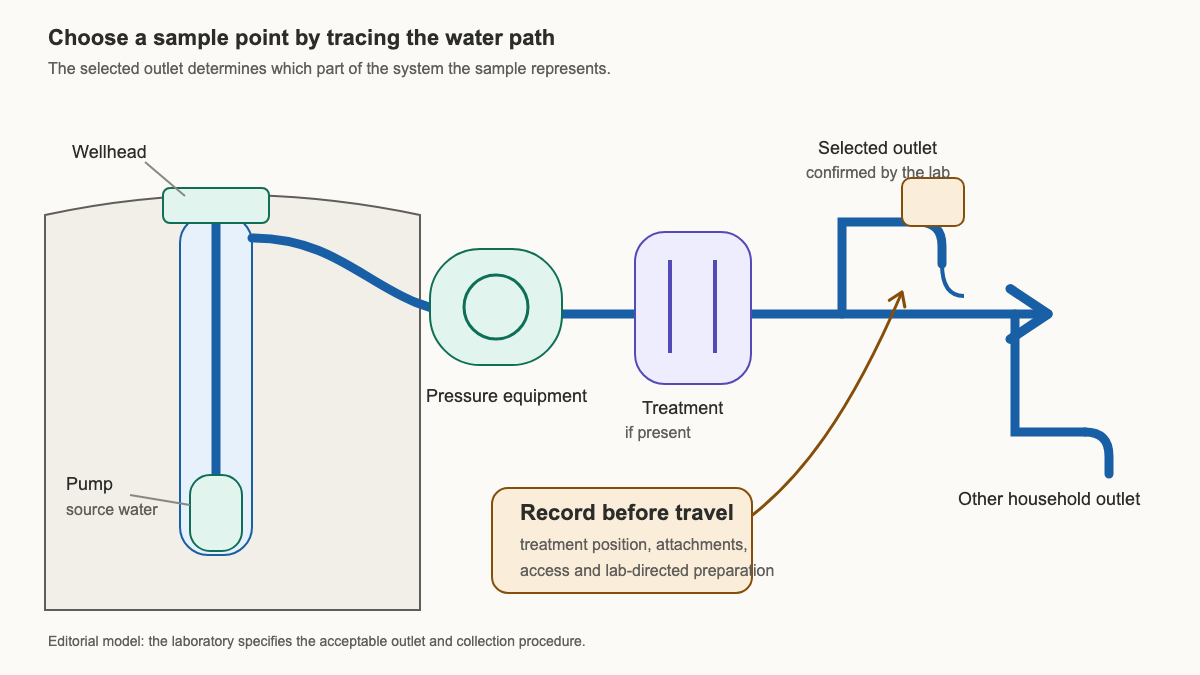
The sample point changes what the result represents. An outlet before treatment can answer a different question than a drinking-water faucet after treatment. A sample from a reverse-osmosis dispenser represents that device and its feed path, not every outlet in the house. Reception should capture the caller’s goal and the plumbing layout without choosing the technical answer.
Record whether the selected outlet has a hose, aerator, screen, filter, spray head, or other attachment. Note access barriers, pets, locked pump houses, crawlspaces, tenants, alarms, and the person authorized to admit the collector. If the caller reports exposed wiring, flooding near electrical equipment, or a damaged wellhead, route the safety issue before scheduling ordinary sampling.
A visible water change needs symptom intake as well. The cloudy or discolored well-water call guide separates fixture location, timing, recent work, and immediate concerns without claiming that appearance identifies the cause.
Keep the kit and sample under named custody
A sampling appointment can involve the well contractor, homeowner, tenant, county employee, courier, and laboratory receiving desk. Every handoff needs an owner. “Drop it off afterward” is too vague when the lab closes before the crew returns or the form is still on the customer’s counter.
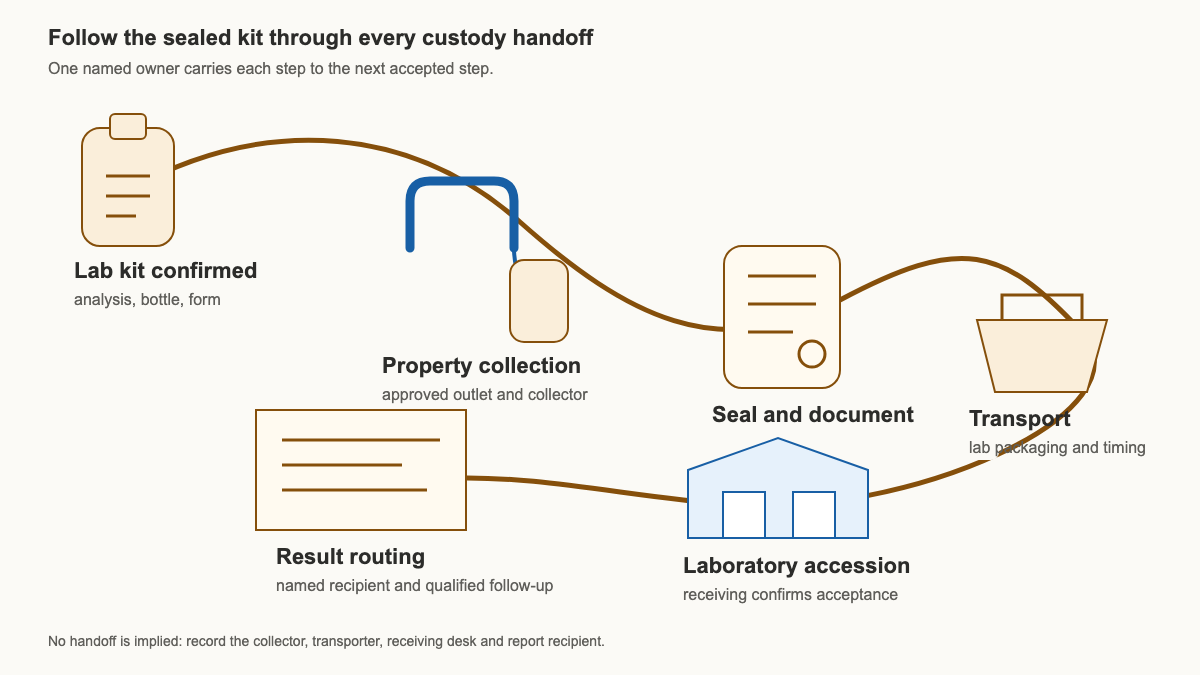
Before dispatch, identify where the unopened kit is stored and who checks it against the lab order. At collection, record the property, outlet, collector, date, and time required by the laboratory form. After collection, the named delivery owner follows the laboratory’s packaging, preservation, and transport instructions. The office should have the receiving address, accepted delivery window, and a contact for problems.
Do not copy a delivery deadline from another lab or another type of test. Microbial, chemical, and other analyses may use different containers and handling rules. The safe sentence is specific: “North County Lab’s instructions for order 417 require this kit and same-day delivery to its receiving desk.” If that sentence cannot be completed, the appointment is not ready.
Louisiana’s health department describes two different arrangements in one state program: a sanitarian can collect the sample, or the well owner can collect and transport it. Local programs vary. Intake must say who is doing which job.
Separate collection from interpretation
The well contractor may collect a valid sample and still be the wrong party to interpret a health result. Ask the lab where the report will be sent, who is authorized to receive it, and who explains a detection or exceedance. CDC points owners to local health or environmental departments for help understanding results and next steps.
Do not tell a caller that clear water is safe, that an odor proves a particular contaminant, or that one negative result rules out every concern. A laboratory report describes the submitted sample and requested analysis. Questions about health risk belong with the laboratory, health department, or another qualified authority.
If the sample follows disinfection or well work, record the service date, what work was performed, and who ordered the follow-up test. The well chlorination scheduling guide covers water-use planning and the difference between service logistics and public-health advice.
Give the collector a field-ready handoff
A useful dispatch note lets the collector leave with the right kit and finish the delivery without calling the office for missing names. Include the service address, on-site contact, access instructions, sampling purpose, requested analysis, laboratory and order number, kit location, selected outlet, treatment position, visible attachments, collector, laboratory instructions, receiving hours, delivery owner, report recipient, and any safety or property notes.
Read the plan back to the caller. For example: “This is a routine sample requested by the owner. The county lab confirmed the analysis and supplied kit 417. You will meet our collector at the rear utility entrance. The approved outlet is in the pressure-tank room before the softener. Our collector will seal and label the sample under the lab’s instructions, then deliver it to the receiving desk. The lab sends the report to you and explains the result.”
An AI receptionist can collect these logistics after hours and hold the appointment until the laboratory and kit are confirmed. It should not select the test, improvise collection instructions, or interpret the report.
The best sampling call ends with a route that can be followed on paper: the right bottle leaves the right lab, reaches the right outlet, returns through the right receiving door, and produces a report for the person who requested it.