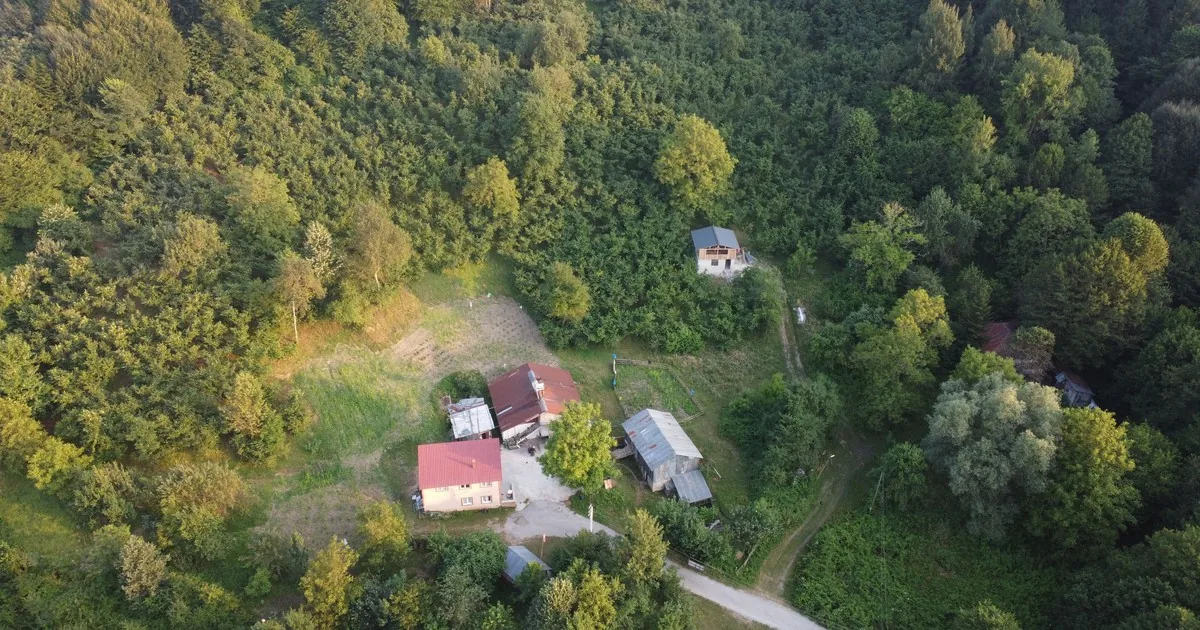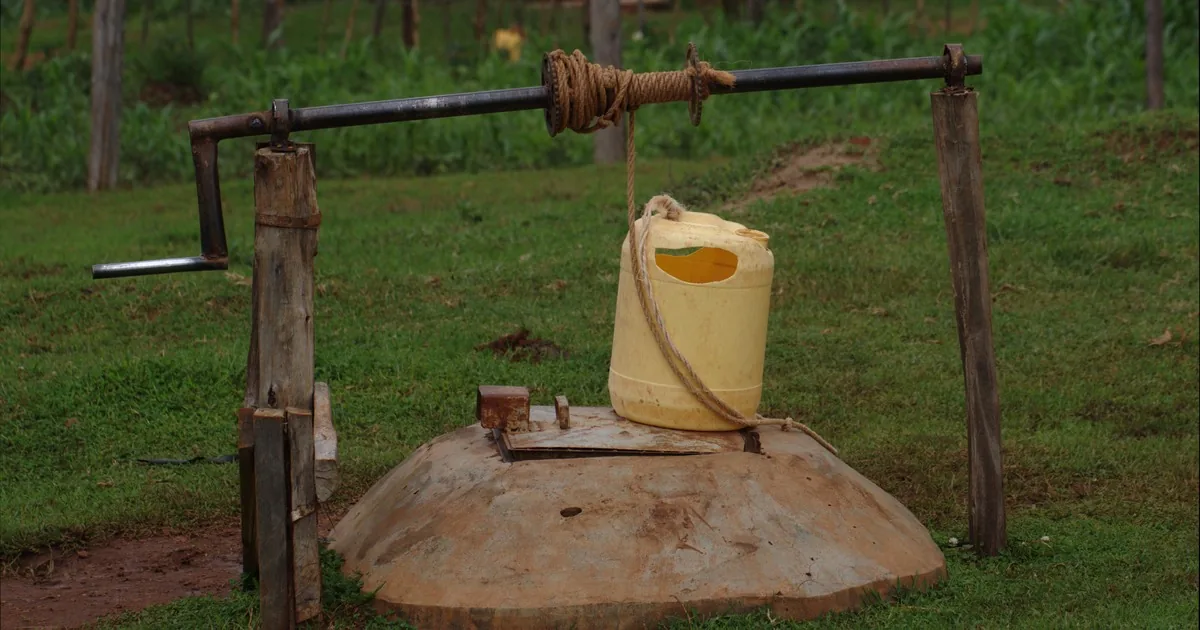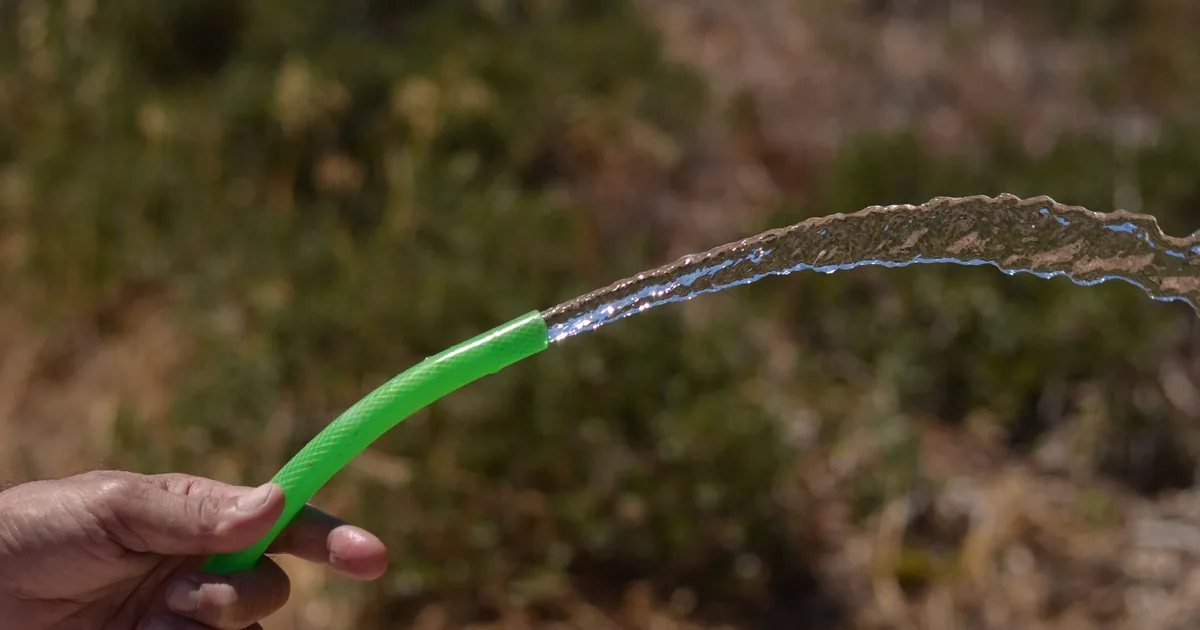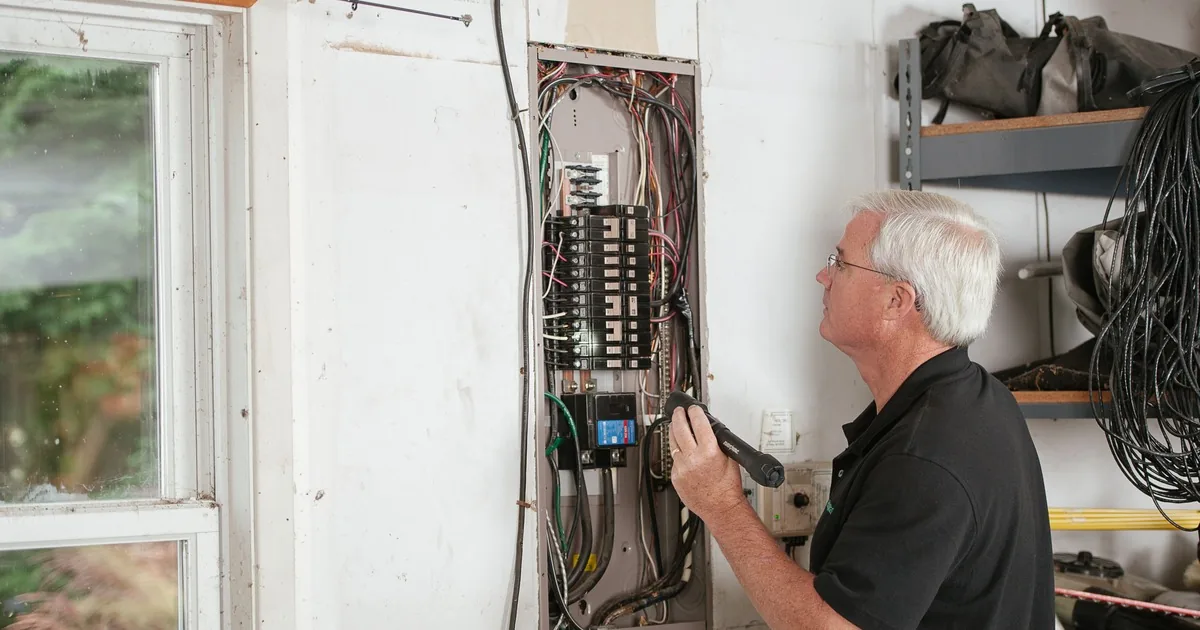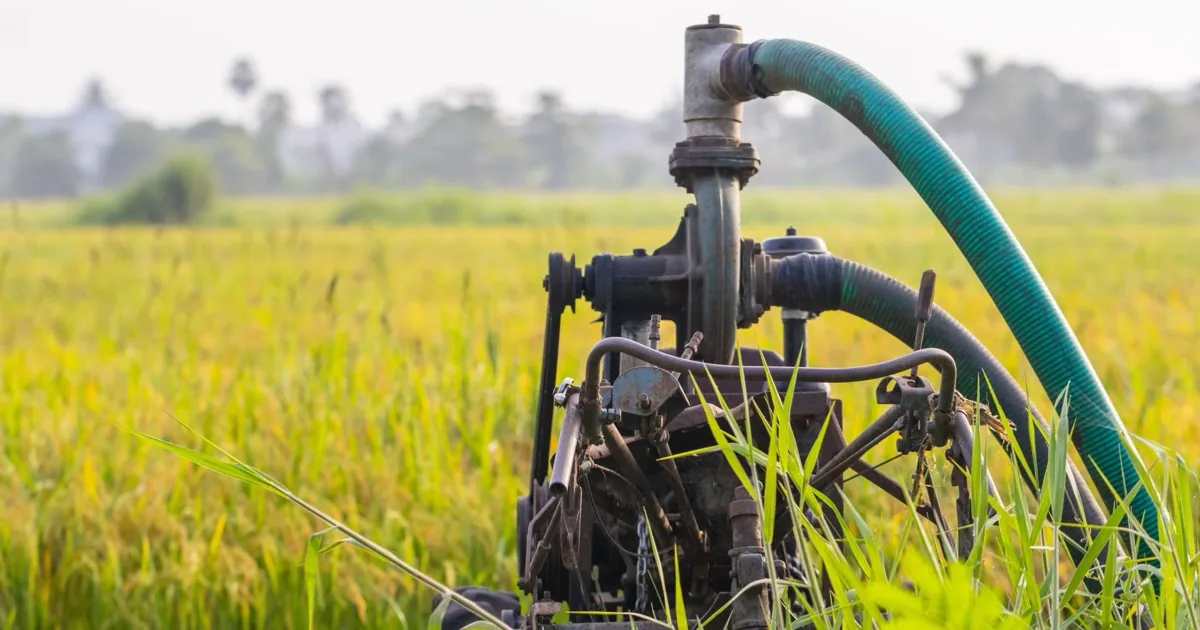
A grower calls before sunrise and says, “The irrigation pump is running, but the far field is dry.” That sentence leaves most of the system unaccounted for. Water may be failing to enter the well, move through the pump, pass the header, or reach the distribution equipment. The office needs to locate the first observable change before assigning the call.
A useful irrigation well pump service ticket records what the pump does, where flow or pressure appears to change, whether the problem affects the entire system, and what differs from normal operation. Add the pump identity, power source, recent work, current water need, and site access. Keep the language observational. A phone description cannot prove which component failed.
Start with the condition on the property
Ask what is happening now. Is the pump running? Is water flowing anywhere? Does the caller see flooding, a broken discharge pipe, smoke, sparking, an exposed conductor, a hot enclosure, or fuel leaking near an engine-driven unit?
Use the company’s emergency procedure for active electrical, fire, fuel, or fast-moving water hazards. Keep people away from standing water around powered equipment. Do not ask a caller to open a control panel, reach past a guard, touch wiring, tighten a live connection, or approach rotating equipment. If the pump is making a violent new sound or the discharge assembly is moving, the caller should follow the shutdown procedure already approved for that property. Reception should not improvise one.
Then establish the immediate service need. A dry decorative bed and a field with a crop under heat stress create different scheduling pressure, even when the pump symptom sounds similar. Ask which acreage or landscape area depends on the system, when it last received water, and whether another approved water source is available. Record what the caller says without predicting plant damage or promising an arrival time the dispatcher has not confirmed.
Follow the water path during the call
An irrigation pumping plant is easier to describe when the call moves in one direction: source, pump, header, distribution equipment. Oregon State University Extension uses a similar physical scope for inspection, covering the intake structure, pump and motor, electrical components, pipelines, and irrigation equipment. The call taker is not performing that inspection. The sequence simply keeps the report tied to real locations.
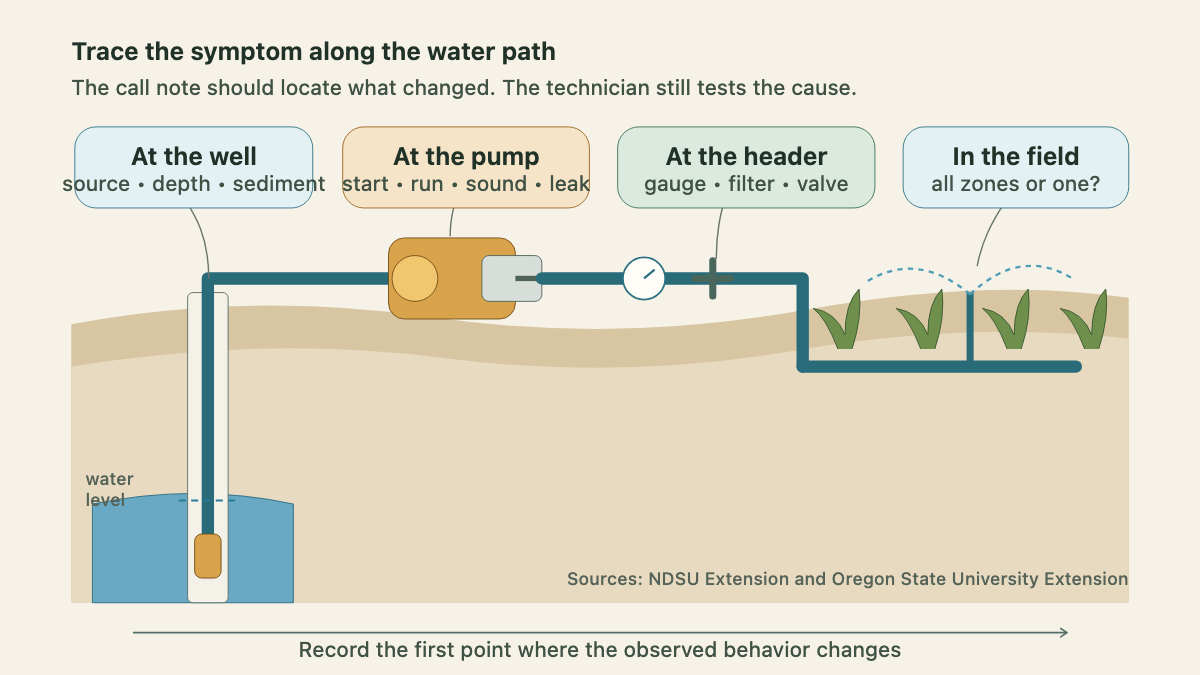
At the source, ask whether the system draws from a drilled well, pond, canal, or another supply. For a well, collect the known depth, casing location, and any recent sand, sediment, air, discoloration, or change in water level. If the caller has a current static or pumping-level reading, record the number, unit, time, and whether the pump was operating. Do not collapse those readings into “well level.” They describe different conditions.
At the pump, ask whether it starts, stays running, cycles off, or fails to start. Capture the sound in the caller’s own words: grinding, rattling, squealing, humming, popping, or a gravel-like noise. Note visible leaks and their exact location. “Water beneath the shaft seal” gives the technician more than “pump leaking.” Ask whether the motor or engine reaches its usual speed and whether any control displays show an exact message.
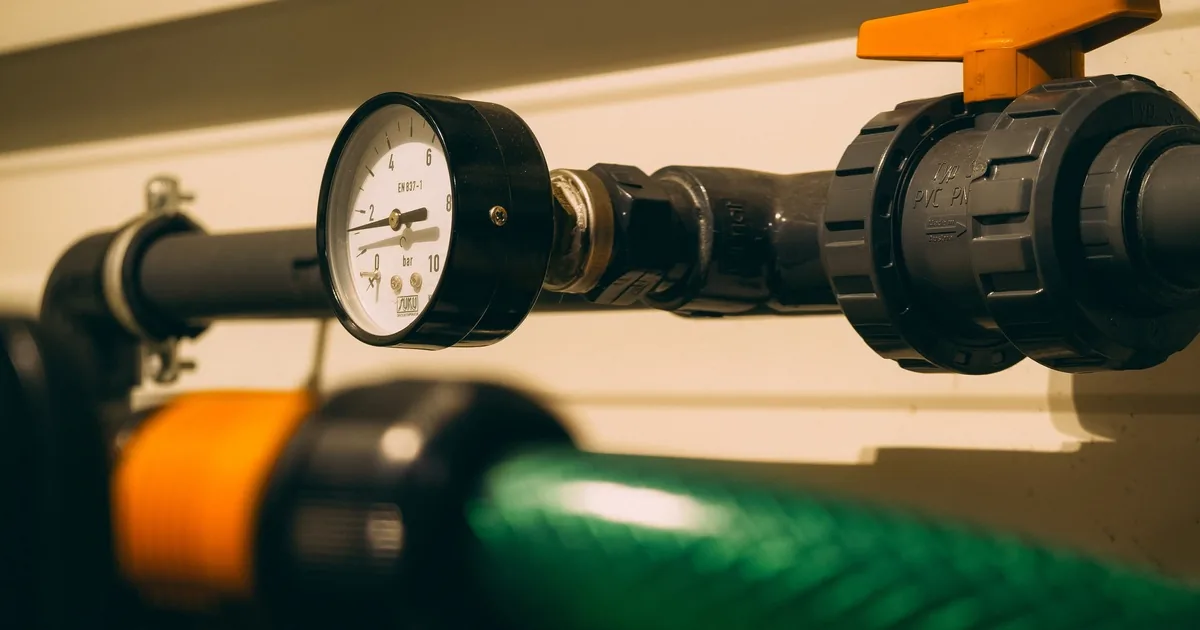
At the header, record the gauge reading exactly as seen, including the unit and whether the needle is steady or moving. Ask about visible filter condition, valve position, air-release behavior, and leaking fittings. Avoid telling the caller to change a valve or remove a filter during intake. A valve position that looks wrong may be intentional, and a pressurized housing can be hazardous.
At the field, find out whether every section is affected. Ask whether the nearest and farthest outlets behave differently, whether one pivot or zone receives water, and whether the problem is low flow, low pressure, uneven application, or no delivery. This separates a pumping-plant complaint from a narrower distribution issue. The irrigation system repair intake guide covers controller, valve, zone, leak, and sprinkler observations in more detail.
Identify the installed pump and drive
“The big pump by the field” will not help a technician choose test equipment or parts references. Ask for the manufacturer, model, serial number, rated horsepower, voltage, phase, and any pump or motor tag details the caller can read safely. A clear photo of the closed equipment plate is useful when the company has a secure submission method.
North Dakota State University Extension describes several irrigation arrangements, including centrifugal, deep-well turbine, submersible, and propeller pumps. An above-ground centrifugal pump has different intake and priming concerns from a submersible unit down the well or a vertical turbine assembly. The U.S. Environmental Protection Agency makes the same basic physical distinction in its private-well guidance: jet pumps sit above ground for shallow applications, while submersible pumping units sit inside deeper well casings.
Record the drive as well. It may be an electric motor, diesel engine, power-takeoff arrangement, or another setup. For electric equipment, ask which disconnect or control serves the pump only if the property record already identifies it. Note whether a breaker or overload has tripped, but do not coach repeated resets. For an engine, collect fuel type, fuel level as reported, warning lights, and whether the engine starts and holds speed.
The original pump curve, impeller information, installation report, and prior service ticket can save time. NDSU notes that pump curves relate flow to total dynamic head at a particular operating speed and advises retaining the installed curve and impeller details for future repairs. Ask whether those records exist and where the technician can find them. Reception does not need to interpret the curve.
Compare current behavior with the normal run
A single gauge number has little meaning without context. Ask what the gauge normally reads with the same irrigation setup, what it reads now, and whether the comparison uses the same outlets or zones. Record the pump’s usual startup sound, run time, flow-meter reading, engine speed, and control setting when the caller knows them.
Historical well records deserve the same care. NDSU separates static water level, pumping water level, drawdown, flow rate, and specific capacity in its irrigation-well maintenance guidance. Those terms should remain separate in the ticket. If a caller says, “The water level is down 12 feet,” ask whether that was measured before pumping or during a run, when it was measured, and by whom. Do not convert an uncertain statement into a technical finding.
Recent changes often matter more than an old equipment list. Ask about power outages, lightning, freeze events, flooding, electrical work, pump service, well rehabilitation, filter cleaning, valve work, new irrigation sections, altered nozzles, digging, or a change in water source. Also ask when the system last completed a normal run. A ticket that says “worked yesterday before the electrician replaced the disconnect” gives the technician a time boundary without claiming causation.
Protect the service window
Large-property pump calls fail when access details stay in the caller’s head. Record the well or pump location using a gate, road, field, building, or GPS pin that the crew can actually find. Ask about locked gates, soft roads, overhead lines, livestock, chemical application, active farm machinery, and whether the service vehicle can turn around near the equipment.
Identify the person who can authorize diagnosis and additional work. The caller may be a farm manager, tenant, irrigation operator, landscaper, or neighboring property owner. Capture the owner or authorized manager’s name and best callback route. If the site uses a shared well or serves several fields, note who controls the pump and who controls each distribution branch.
Ask whether the system can be taken out of service for testing and whether another crew plans to operate it during the appointment. Record any scheduled irrigation, chemigation, or field work that could conflict with the visit. Do not promise that testing can occur while the system remains in production. The technician decides the safe test condition onsite.
Read back a ticket built for field testing
Finish by reading the service note back to the caller. A solid handoff sounds like this:
“North irrigation well serving the west 40-acre field. Vertical turbine pump with electric motor; equipment plate photos attached. Pump starts from the normal control and motor sound is unchanged. Header gauge usually reads 62 psi with two sections open and now reads 31 psi under the same setup, according to the operator. Needle is steady. Water reaches the near section with weak spray; the far section has no visible discharge. No active leak, smoke, burning odor, or standing water at electrical equipment. The change began during yesterday’s second run. Filter was cleaned Monday, and no valve work was reported. Access is through the north gate off Sample Road; gate code is stored in the secure customer record. Farm manager Jordan Lee will meet the technician and can authorize diagnostic work. Crop water need and dispatch priority require manager review.”
The note preserves reported facts and marks the comparison conditions. It also shows what remains unknown.
An AI receptionist can collect the same fields after hours and route hazards under the contractor’s written rules. The script should follow the physical system, preserve the caller’s wording, and stop short of repair advice. When the technician arrives, the ticket should point to the first useful test, not a diagnosis made from a ringing phone.