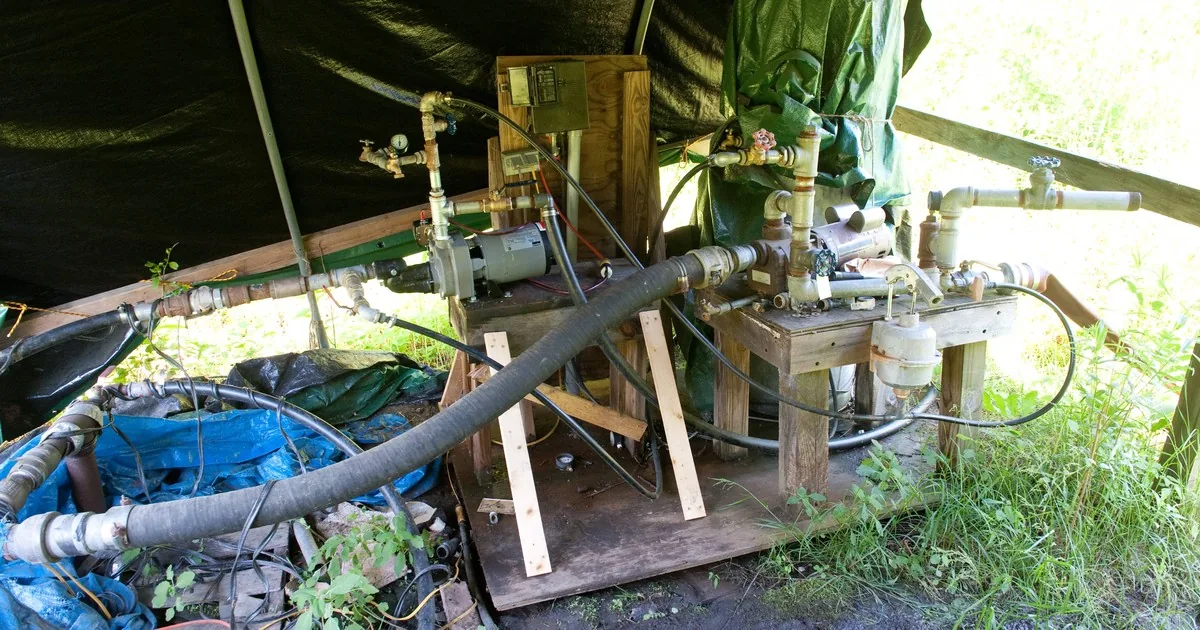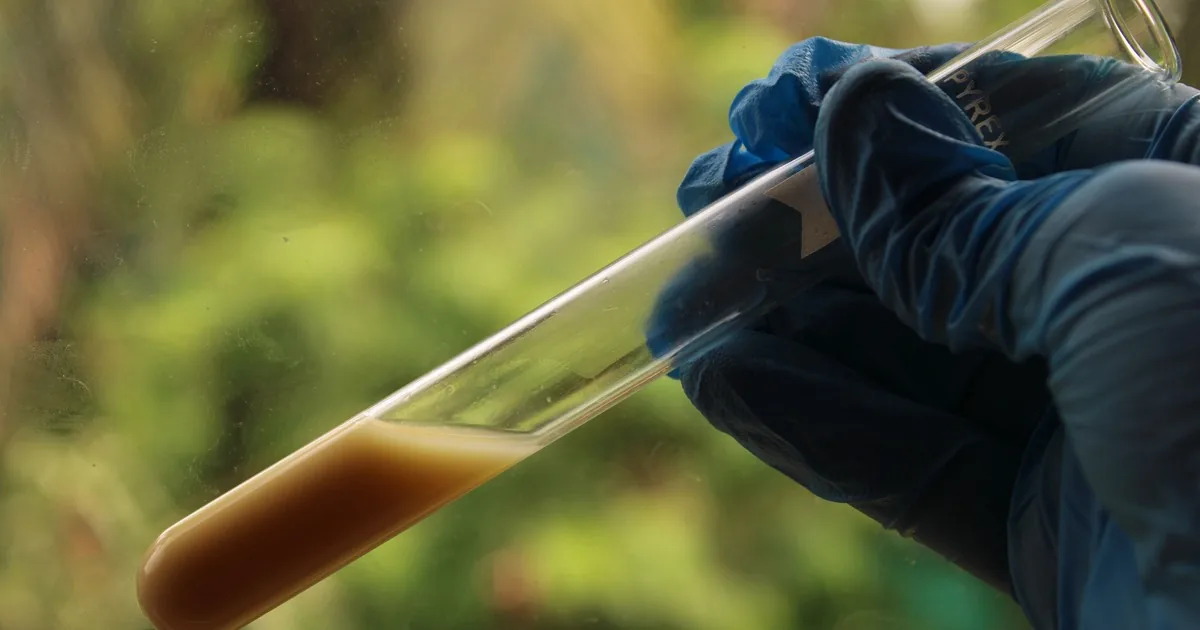
“We close in twelve days, and the lender says we need the well water tested.” That call sounds ready to schedule. It is missing almost everything the office needs: the property address, the lender’s written requirement, the purchase-contract deadline, the requested contaminants, who may collect the sample, and who must receive the report.
For a private well water testing call before a home purchase, start with the transaction clock. Record the inspection-contingency date and closing date, then identify the person or organization requiring the test. Ask for the requirement in writing. Confirm the test panel with the local health or environmental agency, lender, loan program, and certified laboratory as applicable. Name the approved sampler, document where the sample will be collected, note any treatment equipment, and assign one person to deliver the report.
Keep water quality testing separate from a mechanical well inspection. The laboratory reports what its sample and methods found. A qualified well professional evaluates the visible well, pump, pressure system, and site conditions within the scope of the appointment. Neither result guarantees future water quality, equipment life, loan approval, or a particular contract remedy.
Start with the dates and decision-makers
Ask, “What is the last date the completed report can be delivered under your purchase contract or lender process?” The answer may be earlier than closing. A buyer who says “sometime next week” may have a contingency expiring Tuesday afternoon, while the laboratory’s turnaround extends past that deadline.
Capture the closing date too, but do not use it as a substitute. Record the buyer, seller, real estate agents, lender contact, person ordering the work, person authorized to approve added tests, and the person who will provide access. A vacant property can still have a locked utility room, a winterized plumbing system, or a seller who must authorize water use.
Ask who requested the test and request the exact written language. “The bank wants the usual test” is not enough. Requirements can vary by jurisdiction, lender, loan program, and property. Massachusetts environmental guidance, for example, notes that a mortgage lender or local board of health may impose testing requirements even though the state does not use one blanket sale requirement. Wisconsin takes a different approach to property-transfer well inspections. These examples are reminders to verify the actual address, not scripts to apply nationwide.
Office staff should not interpret the purchase contract or tell a caller whether a result lets them cancel, renegotiate, or demand treatment. Put legal and negotiation questions back with the buyer’s agent or attorney. The office owns accurate scheduling, documentation, and handoff.
Define the test before booking the sampler
The phrase “well test” can refer to a small bacteriological panel, a broader water-quality panel, a mechanical inspection, a flow or yield observation, or several appointments bundled together. Repeat the requested work in specific terms before quoting or scheduling.
The CDC recommends that private-well owners use a state-certified laboratory and consult local health or environmental officials about contaminants of concern. Its baseline annual guidance includes total coliform bacteria, nitrates, total dissolved solids, and pH. That list is useful context, but it is not a universal real-estate order. The property’s location, local program, lender instructions, prior results, nearby land use, and household circumstances may add or change tests.
A clean intake captures:
- The property address and whether the well serves drinking water, irrigation, another building, or more than one home
- The written lender, loan-program, local-agency, or contract requirement
- Each requested contaminant or named panel, plus the laboratory that will perform it
- Who is permitted to collect the sample and whether an inspection must occur at the same visit
- The report deadline, expected turnaround, recipients, and person authorized to approve additional work
- Known treatment equipment, bypass state, recent disinfection, plumbing work, well repair, vacancy, flooding, or unusual water changes
- Prior laboratory reports, well-construction records, pump records, and any known unused wells on the property
Read the list back. “I have a private drinking-water well at 18 Cedar Lane, a lender form requesting coliform, nitrate, and arsenic, a report deadline of October 14, and authorization for our licensed inspector to collect the samples during the well inspection. The seller will provide basement access. The kitchen cold tap is after a softener, so the collection point still needs to be confirmed.” That note gives the scheduler something solid to work with.
Let the property shape the order
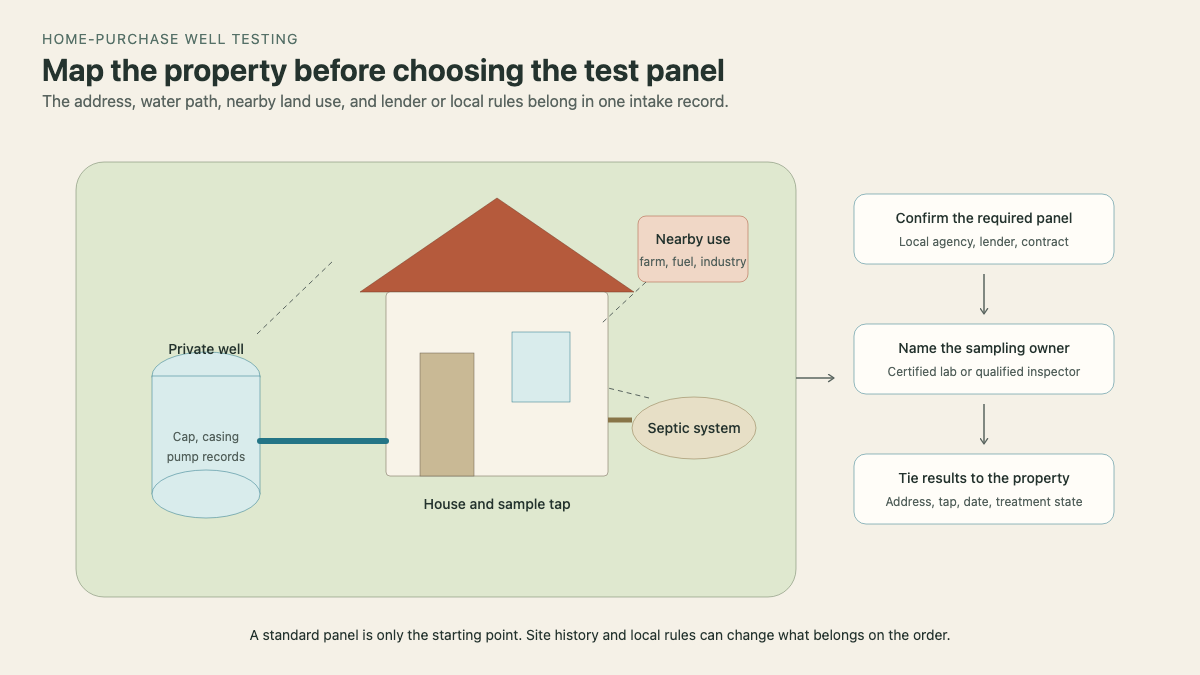
A sample panel should reflect the property, not the receptionist’s memory of the last closing. The EPA advises well owners to consider conditions near the well. Intensive agriculture can raise questions about nitrate, pesticides, and bacteria. Fuel storage, a gas station, a dry cleaner, industrial activity, a landfill, mining, road salt, flooding, new construction, septic problems, or a recent well repair can point local officials or the laboratory toward additional analysis.
Ask observational questions. Is the wellhead visible? Has water stood around it? Is there a septic system, fuel tank, barn, treated field, workshop, or commercial property nearby? Has the water changed in color, taste, or smell? Did the seller provide old test reports or a well log? Record what the caller knows and mark the rest for field verification.
Do not turn those details into a diagnosis. “There is a farm across the road” belongs in the record. “The farm contaminated the well” does not. The local health department, environmental agency, certified laboratory, and qualified well professional can advise on testing and inspection within their roles.
Existing symptoms deserve their own service routing. A buyer reporting cloudy or discolored well water needs an appearance-change record in addition to the transaction order. Rapid pump cycling, pressure swings, or repeated starts belong in the well-pump short-cycling intake. Keep the records linked to the same address.
Separate laboratory testing from well-system inspection
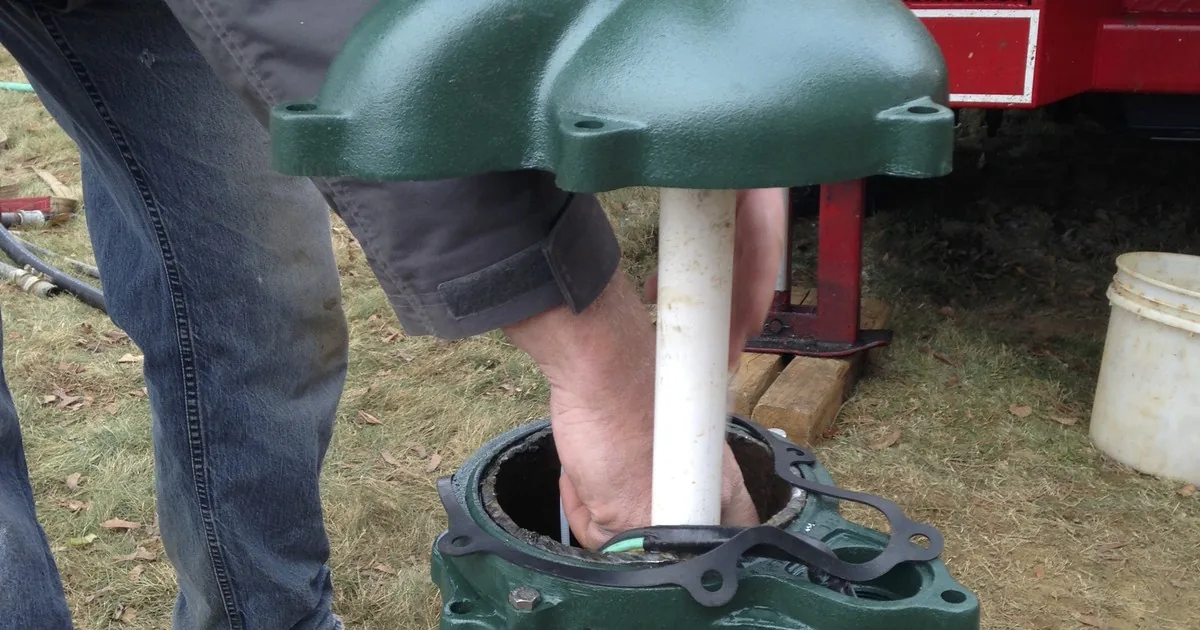
Water testing answers a narrow question: what did the certified laboratory find in the submitted sample for the ordered analyses? A mechanical inspection looks at the well and pressure system. Depending on local law and scope, that may include visible construction, cap and casing condition, pump installation, pressure equipment, accessible records, potential contamination sources, unused wells, and performance observations.
Wisconsin’s Department of Natural Resources makes this separation unusually clear in its property-transfer guidance. It describes licensed well professionals inspecting the well and pressure system while certified laboratories analyze collected water samples. It also warns that some buried features cannot be judged by a visual inspection. The exact Wisconsin licensing and sampling rules should stay in Wisconsin, but the workflow lesson travels: define each scope, owner, and deliverable.
Ask whether the caller wants water testing only, an inspection only, or a coordinated visit. If another home inspector is involved, confirm what that person will and will not inspect. Never imply that a standard home inspection automatically covers the well.
The result packet should also stay divided. Label the laboratory report, mechanical inspection report, flow or performance notes, photographs, and repair recommendations separately. A detected contaminant does not by itself describe the mechanical condition of the well. A well that looks orderly at the surface does not establish that its water passed the ordered panel.
Protect the sample and its paperwork
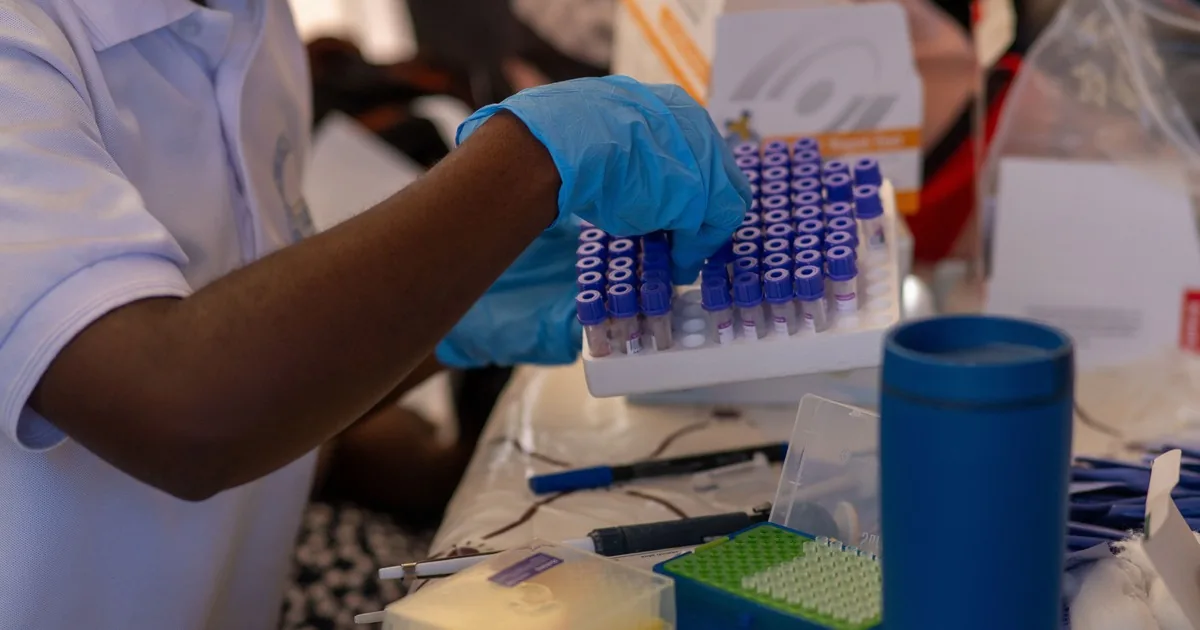
Before dispatch, confirm who supplies the containers, which tap should be used, whether treatment equipment must be documented, and what collection and delivery instructions the laboratory requires. Office staff should not improvise a sample procedure. Containers, preservation, holding time, sampling point, flushing, and chain-of-custody details can depend on the analysis and program.
The work order should carry the property address, well identifier if there is more than one well, collector, collection time, sampling point, treatment state, ordered panel, laboratory, required form, and report recipients. Note who can approve a change if the collector finds that the planned tap is unavailable or the requested form does not match the order.
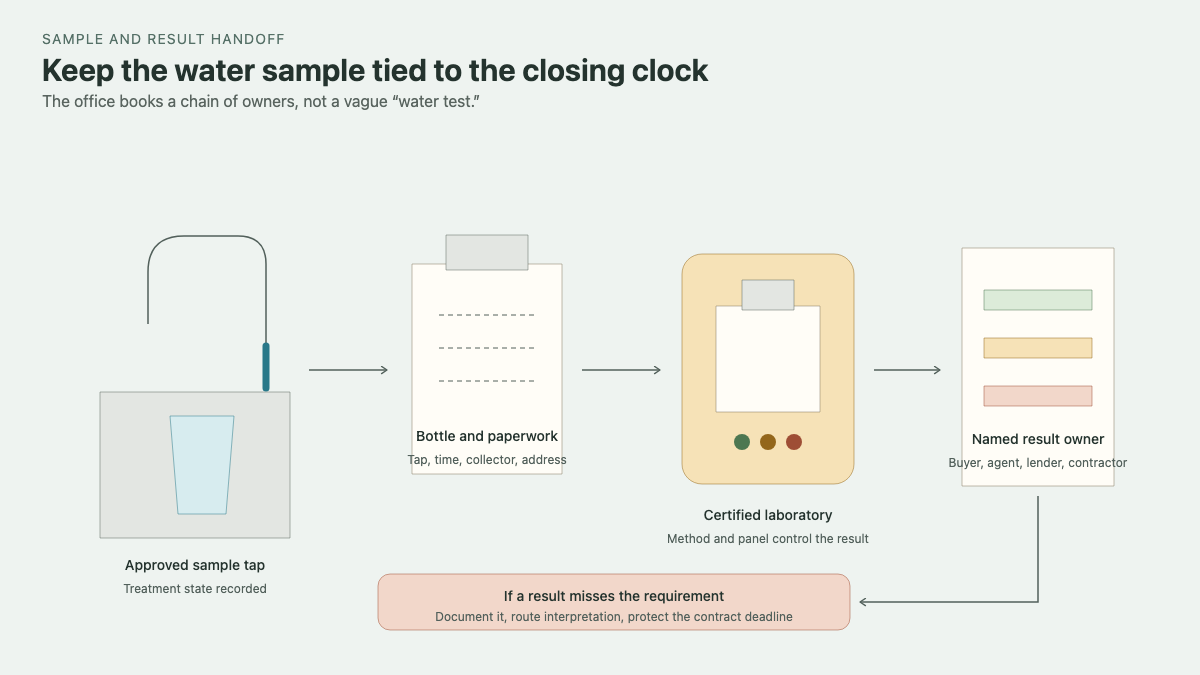
A sample can be technically collected yet operationally useless if nobody knows which tap supplied it, whether it passed through treatment, or where the report must go. The closing clock keeps moving while the office reconstructs the file.
Route the result without promising the outcome
Set the result handoff before the appointment. Name the buyer or ordering party, agent if authorized, lender contact if required, and internal staff member who will confirm delivery. Follow privacy and authorization rules. Do not send a report to every person copied on an old email chain.
When a result does not meet a requirement or raises a health concern, staff should avoid interpretation beyond the company’s licensed scope. A useful response is: “The laboratory report is complete and has been sent to the authorized recipients. Because one result needs follow-up, we are routing you to the laboratory and local health department for interpretation. Our well professional can discuss the system inspection and any work within our scope.”
Treatment quotes come later, after the result and system have been reviewed by the right people. Do not promise that shock chlorination, a filter, a softener, ultraviolet equipment, pump replacement, or a new well will resolve a result during the intake call. Do not promise that a retest will pass.
An AI receptionist can collect these details after hours if the contractor supplies the approved questions and escalation rules. The final handoff still needs a person’s name and time: “Elena will review the lender form when the office opens at 8 a.m. and confirm whether our licensed sampler and laboratory can meet the October 14 deadline.” That sentence protects the buyer better than “Sure, we do well tests.”